
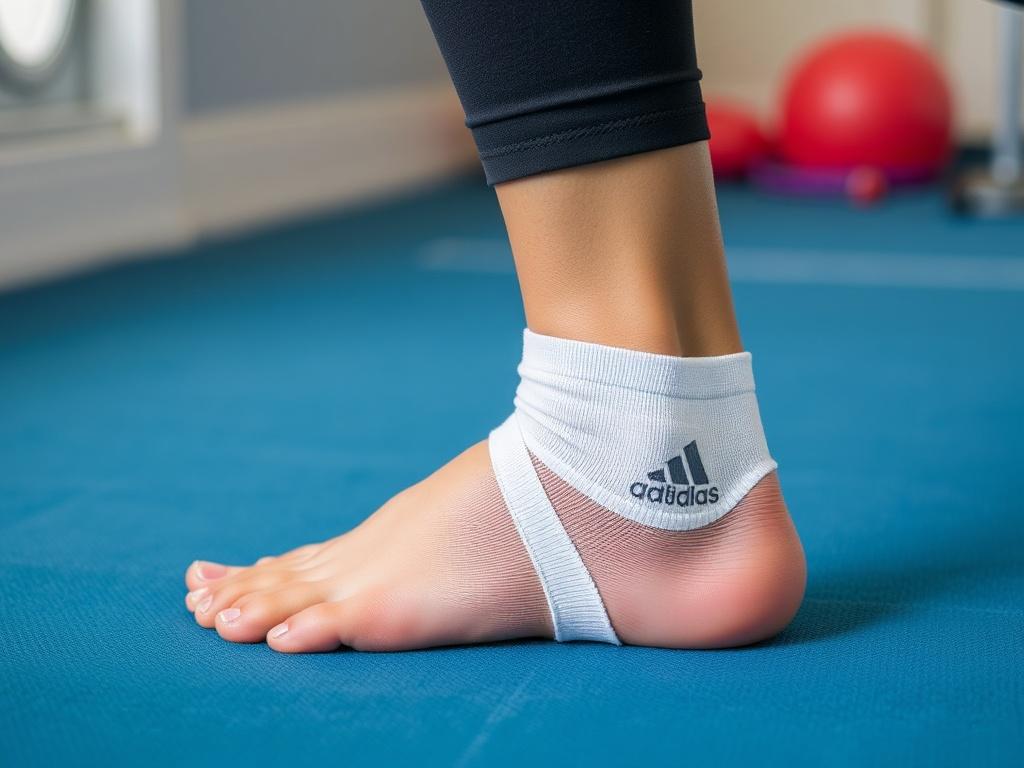
After a hard session, your legs deserve more than a quick stretch and a cold drink. Proper aftercare keeps muscles flexible, prevents injury, and turns soreness into steady progress. This article walks through practical, evidence-based steps for leg recovery you can do at home, after the gym, or following a long run.
Why post-workout leg care matters
Training breaks down tissue and stresses joints and connective tissue; that’s how adaptation happens. Without intentional recovery, microtrauma can accumulate and lead to chronic tightness, reduced range of motion, or overuse injuries.
Leg-focused recovery is especially important because your lower body bears most of your body weight during running, jumping, and lifting. Hands-off approaches may feel fine initially, but consistent aftercare supports long-term performance and keeps training enjoyable.
Immediate steps to take the first 10–20 minutes
The moments right after exercise are prime for lowering heart rate, beginning muscle repair, and flushing metabolic byproducts. Follow a simple routine: gentle cooldown, rehydrate, and a light mobility routine to preserve flexibility.
Start with 5–10 minutes of low-intensity movement such as walking or easy cycling. This helps blood flow, disperses lactic acid, and reduces the abrupt vascular changes that cause lightheadedness or stiffness.
Active cooldown vs. passive rest
An active cooldown—walking, slow jogging, or cycling—keeps circulation elevated without imposing new stress. It’s more effective than sitting immediately for removing metabolic waste and easing the transition from exercise to rest.
Passive rest has its place if you’re exhausted or injured, but make it short. Even five minutes of light movement beats prolonged immobility for leg recovery and reduces the risk of cramping.
Gentle mobility and dynamic stretches
After you slow down, run through mobility drills that mimic the planes of movement you used during training. Hip circles, ankle dorsiflexion work, and leg swings restore joint range and reset neuromuscular patterns.
Keep each mobility exercise brief and controlled—two to three sets of 30 seconds per side is usually enough. Avoid deep static stretches while muscles are cold; hold static stretches later when you’re relaxed.
Hygiene and skin care after training
Post-workout hygiene protects skin integrity and prevents infections, especially if you train outdoors or in shared facilities. Washing your feet and lower legs removes sweat, bacteria, and irritants that can cause rashes or fungal growth.
Use lukewarm water and a gentle cleanser. Pat the skin dry thoroughly, especially between the toes, then apply a light moisturizer to combat dryness—skip heavy creams if you’ll put socks and shoes back on right away.
Dealing with blisters and hotspots
Blisters start as friction hotspots. Address them early: if you feel a hotspot during exercise, pause and tape it or change socks. Prevention beats treatment—moisture-wicking socks and properly fitted shoes reduce blister risk significantly.
If a blister forms, keep it clean and covered. For small, intact blisters, leave the skin in place and apply an adhesive blister pad. For large painful blisters, sterile drainage by a healthcare professional may be necessary to avoid infection.
Cold, heat, and contrast therapy: when to use each
Icy treatments reduce inflammation and dull pain in the first 24–48 hours after intense or damaging workouts. Apply cold packs to sore areas for 10–15 minutes to reduce swelling and ease sharp discomfort.
Heat improves blood flow and relaxes tight muscles, making it useful after the initial 48-hour window or right before mobility work. Contrast therapy—alternating cold and heat—can stimulate circulation and reduce perceived soreness for many people.
Practical application and timing
Use cold after acute, painful sessions such as a race, a long downhill run, or a leg-heavy plyometric workout. Keep application to short intervals so you don’t impede the natural repair processes completely.
Use heat on mornings after training when stiffness is the main issue, or for chronic tightness that benefits from increased tissue pliability. If you have vascular problems or diabetes, consult a clinician before using extreme temperature treatments.
Compression and elevation to speed recovery
Compression garments can reduce the sensation of swelling and provide mild mechanical support to fatigued muscles. Many athletes report faster perceived recovery when wearing compression tights or sleeves after long efforts.
Elevation—lying down with legs raised—helps venous return and reduces fluid pooling. Ten to twenty minutes of elevation with light compression makes a simple, evidence-supported pairing for post-exercise recovery.
How to use compression wisely
Choose compression gear that fits snugly but doesn’t cut off circulation. Wear it for a few hours after heavy sessions or during travel to minimize stiffness and swelling. Avoid constant, overnight use unless advised by a professional.
If you notice numbness, pins-and-needles, or increased pain with compression, stop use and reassess fit. For lymphedema or circulatory conditions, a healthcare provider should recommend specific hosiery or therapy.
Foam rolling and self-massage techniques
Self-myofascial release with a foam roller or massage ball can relieve tight spots and improve range of motion. Roll slowly across the quad, hamstring, and calf, pausing on tender points for 20–30 seconds to let the tissue ease.
Foam rolling can be slightly uncomfortable but should not cause sharp pain. Combine rolling with breathing to promote relaxation: long exhales help reduce muscular guarding and increase tolerance to the technique.
Target areas and safe pressure
Focus on large muscle groups and areas that feel tight—outer hips, IT band, calves, and the back of the thigh. Avoid rolling directly over bony spots, varicose veins, or acute injuries.
If you’re new to self-massage, start with a soft roller and short sessions. As tissues adapt, you can increase pressure or add tools like lacrosse balls for deeper points, but always respect pain thresholds.
Manual therapy and professional options
When soreness persists beyond what home care can relieve, consider seeing a physical therapist, sports massage therapist, or chiropractor. These professionals assess movement patterns and treat underlying causes rather than just symptoms.
Hands-on treatments like deep-tissue massage, instrument-assisted soft tissue mobilization, or active release techniques can break down adhesions and restore mobility. A few targeted sessions often give lasting benefits when paired with home exercises.
Choosing the right provider
Look for clinicians experienced with athletes and lower-limb mechanics. Ask about certifications, continuing education, and whether they use functional assessments rather than one-size-fits-all approaches.
Communication is key: describe the exact location, quality, and timing of your pain. A good therapist will teach you self-care techniques to maintain gains between appointments.
Nutrition and hydration strategies for leg recovery
Fueling and rehydration affect how quickly muscle repairs itself. After exercise, aim to replenish fluids and provide a mix of carbohydrate and protein to support glycogen restoration and muscle protein synthesis.
Simple, practical choices work well: a balanced meal within two hours, or a small recovery snack containing 20–30 grams of protein and some carbs within 30–60 minutes after hard training. Hydrate before you feel thirsty; urine color is a rough and useful gauge.
Supplements and practical food choices
Most people can get what they need from food, but targeted supplements may help in specific contexts. Creatine supports strength and recovery for resistance training, while omega-3s can reduce exercise-induced inflammation in some people.
Whole-food examples for recovery: Greek yogurt with fruit, a turkey sandwich on whole-grain bread, or a smoothie with protein, banana, and spinach. These combos are portable, effective, and easy to tailor to caloric needs.
Managing soreness: DOMS vs. injury
Delayed onset muscle soreness (DOMS) is a normal response to unfamiliar or intense exercise and usually peaks 24–72 hours later. It feels achy, diffuse, and improves with gentle movement and time.
Pain that is sharp, localized, or accompanied by swelling, loss of function, or a popping sensation is more likely to indicate injury. In those cases, stop training and seek professional evaluation to avoid making things worse.
How to test sore legs safely
If you’re unsure whether soreness is safe to train through, try a low-load movement test: a short, easy walk or light single-leg balance drills. If pain decreases with movement and does not worsen during the day, gentle activity is usually safe.
Red flags for immediate assessment include severe swelling, inability to bear weight, or symptoms that don’t improve with rest and basic care. For runners, sudden sharp calf pain or a visible defect in the muscle could suggest a tear or tendon injury.
Foot health: nails, calluses, and long-term care
Feet take a beating in many sports. Regular nail care prevents ingrown nails, and managing calluses keeps weight distribution even and prevents painful fissures. Small, consistent maintenance tasks prevent big problems down the road.
Trim nails straight across and avoid cutting into the corners. File calluses lightly after a shower or bath when skin is softer, and use pumice sparingly—overly aggressive removal can lead to painful breakdowns.
When to see a podiatrist
See a specialist for recurrent ingrown nails, persistent fungal infections, or painful deformities such as bunions or hammertoes that interfere with activity. A podiatrist can offer custom orthotics or in-office procedures when conservative care fails.
For athletes with recurring foot pain, gait analysis can reveal biomechanical issues that simple shoe changes can’t fully correct. Early intervention keeps you training rather than sidelined.
Shoes, socks, and gear: what to choose after training
Your post-workout footwear matters as much as what you wear during activity. Slipping into breathable, supportive shoes after a workout reduces swelling and allows feet to recover. Avoid tight, restrictive footwear that traps heat and moisture.
Moisture-wicking socks prevent fungal growth and blisters, especially if you can’t shower immediately. Compression socks may help during travel or long recovery periods to control swelling and support circulation.
Rotate shoes and inspect wear patterns
Rotate between two or more pairs of training shoes to allow each pair to decompress and dry fully. Inspect soles and upper wear patterns regularly; uneven wear can signal gait asymmetries that need addressing.
Replace shoes when cushioning and support have deteriorated. As a rule of thumb, running shoes often need replacement every 300–500 miles depending on body weight and surface; cross-trainers will vary by use.
Daily routines to maintain leg health
Small, daily habits compound into resilient legs. Incorporate short mobility flows, calf and hip stretches, and 5–10 minutes of foam rolling into your evening routine to prevent stiffness from accumulating.
Balance work is important too—single-leg balance drills, ankle stability exercises, and light hip strengthening maintain the neuromuscular control that reduces injury risk during intense sessions.
Sample five-minute evening routine
Try this compact routine three to five nights per week: ankle circles and dorsiflexion drills, 30 seconds per side; single-leg stands with eyes closed, 3 x 20 seconds; seated hamstring stretch, 2 x 30 seconds each side; gentle calf rolling, 2 minutes total.
It’s short enough to be consistent and effective enough to prevent stiffness. Consistency beats occasional marathon sessions of care every few weeks.
Weekly and monthly deeper-care practices
Set aside time weekly for a longer recovery session: 20–30 minutes of foam rolling, targeted mobility work, and a warm soak or contrast bath. Monthly, inspect footwear, reassess training load, and schedule any professional bodywork needed.
Weekly attention helps you catch small imbalances early. Monthly reflection on training intensity and recovery patterns reduces the risk of overtraining and keeps progress steady.
Tracking recovery and adjusting load
Keep a simple log of sleep, soreness, and performance—this data helps you spot when recovery is lagging. If strength or speed trends downward, it’s often a sign you need more recovery, not more work.
Adjust load by reducing volume, lowering intensity, or adding a recovery-focused day. Small proactive changes prevent the need for long layoffs later.
Travel and long-event strategies for leg care
Travel compounds leg fatigue with long periods of sitting and time-zone changes. Compression socks, mobility breaks during flights, and frequent walks on long drives minimize swelling and stiffness during travel to races or events.
For multi-day events, schedule daily passive and active recovery: 10–20 minute mobility sessions, icing if needed after long stages, and consistent hydration and carbohydrate intake to maintain glycogen reserves.
Packing essentials for athlete travel
Pack a small recovery kit: lightweight foam roller or massage ball, compression socks, arch supports (if used), elastic band for mobility drills, and a basic first-aid kit for blisters. These tools make it easier to stick to your routine away from home.
Avoid trying new shoes or treatments right before a competition. Travel is a variable; keep as much familiarity in your routine as possible to reduce surprises on race day.
Special considerations for runners
Runners place repetitive load on the calves, shins, and plantar fascia. Incorporate eccentric calf strengthening and shin stabilization drills to manage load and reduce flare-ups. Gradual progression in mileage is crucial to avoid tendon overload.
Pay attention to stride mechanics and cadence. Small adjustments, guided by a coach or video analysis, often reduce stress on vulnerable structures without sacrificing performance.
Preventing and treating common runner issues
Shin splints respond to reduced impact, improved calf conditioning, and footwear adjustments. Plantar fasciitis benefits from calf flexibility, arch-supporting shoes, and targeted night splints in stubborn cases.
If pain persists beyond conservative care and simple modifications, seek a sports medicine evaluation. Untreated tendinopathies can become chronic and harder to resolve.
Special considerations for strength athletes and lifters
Weightlifters and strength athletes demand stability and joint integrity in the hips, knees, and ankles. After leg-heavy sessions, focus on quad and hamstring recovery along with hip mobility to maintain lifting mechanics.
Post-session, prioritize nutrient timing and short-term anti-inflammatory strategies when needed, but avoid chronically masking pain with heavy medication; it impedes learning safe movement patterns.
Building resilience in connective tissue
Connective tissue adapts slowly; include eccentric loading and slow, controlled strengthening to build tendon resilience over weeks and months. Gradual volume increases and targeted accessory work reduce the risk of tendon irritation.
Incorporate restorative days that emphasize movement quality and mobility rather than heavy loading to preserve gains while giving tissues time to adapt.
Practical checklist: 20-minute post-leg workout routine
Here’s a compact, practical routine you can do within 20 minutes after a typical leg workout. Use the checklist as a template and tweak timing to match your needs and schedule.
| Time | Action | Purpose |
|---|---|---|
| 0–5 min | Active cooldown (walking, easy cycling) | Lower heart rate and flush metabolites |
| 5–10 min | Mobility drills (ankle, hip, knee) | Restore joint range and neuromuscular patterns |
| 10–15 min | Foam rolling and targeted self-massage | Reduce local tightness and promote circulation |
| 15–20 min | Hydration, light snack, and calf/hamstring stretch | Begin refueling and maintain muscle length |
Do’s and don’ts for healthy legs
Simple rules prevent many problems. Listen to your body, progress training gradually, and prioritize sleep and nutrition as much as any specific therapy. These basics are the foundation of reliable recovery.
- Do address hotspots immediately to prevent blisters.
- Do hydrate and eat protein after heavy leg sessions.
- Don’t ignore sharp, persistent pain—get it checked.
- Don’t overuse ice in the long term; allow natural inflammation to aid repair.
Real-life examples and what I learned coaching athletes
Coaching recreational runners and gym goers taught me that the most successful athletes are the ones who treat recovery as part of training. One client who consistently foam rolled and used nightly mobility regained lost speed after months of plateauing.
Another runner battled recurrent calf tightness until we changed shoes, added eccentric loading, and scheduled a weekly 30-minute recovery session; within eight weeks the pain diminished and performance improved. Small consistent changes made the difference.
When to seek medical attention
If swelling is disproportionate, pain is severe, or you can’t put weight on your leg, seek prompt evaluation. Persistent numbness, changes in skin color, or signs of infection around a blister also warrant medical attention.
For persistent tendon pain that doesn’t respond to conservative measures after six to eight weeks, a sports medicine specialist can offer imaging, injection options, or a structured rehabilitation plan tailored to your sport.
Making recovery a habit: practical tips
Attach recovery habits to existing routines—do mobility while watching TV, foam roll after your evening shower, or keep a small roll-up mat and band in your gym bag. Convenience increases consistency more than willpower.
Set reminders for hydration and short walks if your job forces long sitting periods. These micro-habits are easy to maintain and yield outsized benefits over months of training.
Adapting care for seasons and age
As seasons change, so do recovery needs—winter may require more focus on warmth and blood flow, while summer demands extra fluid replacement. Age also plays a role: older athletes often need more restoration time and emphasis on joint mobility.
Adjust training loads and recovery frequency based on how you feel, not just what your training plan prescribes. Aging athletes who accept and plan for slower recovery often prolong careers and maintain higher quality of life.
My favorite tools for leg recovery
Over years of training and coaching I’ve found a few simple tools indispensable: a medium-density foam roller, a lacrosse ball for deep points, a lightweight resistance band for mobility, and a good pair of compression socks for travel days. They’re portable and versatile.
Invest in one quality pair of everyday shoes with good support and rotate them with specialized footwear for running or lifting. Good shoes reduce the frequency of many preventable issues.
Putting it all together in one weekly plan
A balanced week might include three to four hard sessions for the legs, two active recovery days, and one full rest day. Each training day should include the 10–20 minute post-workout routine we covered earlier to maintain flexibility and circulation.
Plan deeper care—longer rolling, massage, or a contrast bath—once a week, and schedule a professional check-in every few months if you have recurring issues. This layered approach builds resilience without overcomplicating your life.
A few final practical reminders
Recovery isn’t glamorous, but it’s where gains are consolidated. Small, consistent practices—proper cooldowns, hydration, short mobility sessions, and occasional deeper care—translate into fewer injuries and steady performance gains.
If you take one action from this guide, make it consistent: spend five to ten minutes after every leg workout on a simple cooldown and mobility circuit. Over weeks, that investment pays off in energy, speed, and enjoyment of your sport.