Feet take the brunt of every run, and proper attention afterward keeps them strong and pain-free. Whether you’re a daily jogger, weekend warrior, or training for a marathon, a routine for post-run foot care prevents small problems from turning into long interruptions. This article brings together practical steps, expert-backed practices, and real-life tips so you can step into your next run with confidence.
Why attentive post-run foot care matters
Your feet absorb forces equivalent to several times your body weight with every stride, and those repeated impacts create tiny stresses on skin, muscles, tendons, and joints. Ignoring the immediate aftermath of a run leaves you vulnerable to blisters, inflamed tissues like the plantar fascia, and progressive issues such as toenail trauma or chronic calluses.
Beyond injury prevention, routine care speeds recovery: clean skin resists infection, properly trimmed nails avoid ingrown toenails, and early attention to soreness often eliminates weeks of downtime. Small habits compound—spend five to ten minutes on smart post-run care and you’ll notice fewer setbacks across a training season.
For many runners, including myself, the difference between a consistent training block and repeated interruptions has come down to simple routines practiced after every outing. Treating feet as a performance asset, not an afterthought, keeps mileage steady and training plans realistic.
Immediate steps in the first 30–60 minutes
The first hour after running is an opportunity to interrupt the cascade from microtrauma to inflammation. Begin with a gentle cool-down walk of three to ten minutes to normalize circulation, then sit down, remove shoes and socks, and let your feet breathe for a few minutes.
While seated, inspect the bottoms and tops of your feet for redness, hotspots, swelling, or blood under toenails. Early detection of a hotspot or darkened toenail allows quicker, simpler treatment than catching problems days later.
If a specific area is tender and swollen, a 10–15 minute ice application can blunt inflammation; use a thin cloth between skin and ice and limit direct exposure to avoid cold injury. For diffuse soreness, elevate your feet for 10–20 minutes to reduce pooling of fluid and speed recovery.
Cleaning, drying, and nail care
Cleaning feet after runs removes sweat, bacteria, and grit that can breed athlete’s foot and other infections. A gentle wash with lukewarm water and a mild soap, followed by thorough drying—especially between toes—cuts the microscopic pathways that cause problems.
Nail care is preventive medicine. Trim toenails straight across with a clean clipper, leaving a small white edge; avoid rounding corners to minimize the risk of ingrown nails. If you notice a blackened nail after a run, it’s usually a subungual hematoma (trauma-related blood) and is best monitored; persistent pain or spreading discoloration warrants a podiatrist visit.
Antifungal powders or sprays can be useful for runners who frequently sweat or reuse the same shoes without proper drying. Use them sparingly and rotate shoes when possible; spraying the inside of a shoe and allowing it to fully dry overnight reduces fungal load without aggressive chemicals.
Treating blisters and hotspots
Hotspots are the first alerts; they feel warm, pinchy, or “rubbed”—and they rarely fix themselves if ignored. At the first sign of a hotspot, stop, remove the shoe, apply a low-friction dressing or a blister-specific plaster, and change socks if they’re damp. Preventing the blister is vastly better than dealing with a popped lesion on the road.
If a blister forms and is small and intact, leave it alone—intact skin protects the underlying tissue and reduces infection risk. For large, painful blisters that interfere with walking, sterile drainage can be performed with a disinfected needle by gently puncturing the edge and leaving the roof intact as a natural barrier.
After drainage, apply an antiseptic and a protective dressing, keep the area dry, and change the dressing daily until the skin re-epithelializes. For runners who repeatedly blister in the same spot, evaluate sock fit, shoe volume, and consider lubricants or inner-sock liners to reduce shear forces on the skin.
Managing calluses, corns, and thick skin
Calluses are the body’s response to repetitive pressure—protective tissue that becomes problematic when it grows too thick or develops painful hard cores. Regular gentle maintenance prevents large slabs of hard skin from splitting and creating painful fissures during runs or in dry weather.
Soak feet in warm water for five to ten minutes once or twice a week, then use a pumice stone or foot file to reduce excess thickness, working gently and stopping whenever you feel discomfort. Avoid sharp instruments or aggressive “razor” scraping at home; overzealous removal can breach the skin barrier and invite infection.
Hydration is essential: apply a urea-based or lanolin-rich moisturizer to callused areas nightly to soften skin and prevent cracking. If a callus contains a painful core or feels localized, a podiatrist can safely pare it down and evaluate the biomechanical cause—sometimes an orthotic or slight shoe adjustment resolves the underlying pressure pattern.
Toenail care and preventing black nails
Repeated toenail trauma—especially to the big toe—can cause subungual bleeding and potentially nail loss. Prevention begins with properly fitting shoes: ensure adequate toe box volume so toes can splay without hitting the front during downhill runs or long efforts.
Trim nails on a regular schedule so they don’t project onto the end of the shoe; that projected edge is the structure that slams into the toe box and turns a run into a blackened nail. If a nail becomes intensely painful after a run or shows a rapidly expanding bruise, seek evaluation; early drainage relieves pain in cases of significant subungual hematoma.
When a toenail lifts or separates due to trauma, keep the area clean and trimmed while it regrows; partial nail removal by a clinician may be required for very loose or infected nails. In races or long-distance events, a thin layer of padding or protective tape over the nail can reduce repetitive microtrauma and limit discoloration.
Addressing plantar fasciitis and heel pain
Plantar fasciitis typically presents as stabbing heel pain with the first steps in the morning or after rest, and it can be aggravated by heavy training without adequate recovery. Early management combines activity modification, targeted stretching, and support for the arch to break the cycle of inflammation and tightness.
Calf and plantar fascia stretches performed several times daily—particularly after running—promote length and resilience. A simple active stretch involves pulling the toes toward the shin for 20–30 seconds, repeating multiple times, and doing heel drops off a step in a controlled fashion to build tolerance over time.
Night splints that hold the foot in dorsiflexion can help chronic cases by maintaining fascial length overnight, while short-term use of a supportive shoe or orthotic reduces morning pain. Persistent or worsening symptoms should trigger a visit to a sports medicine clinician or podiatrist for an individualized plan; corticosteroid injections and advanced therapies are options but are not first-line for most recreational runners.
Tackling Achilles tendon pain and calf tightness
The Achilles tendon handles enormous loads and responds poorly to sudden increases in mileage or intensity, often presenting as posterior heel pain or stiffness. Immediate steps include relative rest, ice after activity, and eccentric strengthening exercises to improve tendon capacity over weeks.
Eccentric heel drops—standing on a step, rising on both feet and lowering slowly on the affected side—are a validated exercise for many Achilles issues and should be progressed carefully under guidance. Equally important is addressing calf flexibility: tight calves increase Achilles load, so daily calf stretches and mobility work reduce recurrence.
Shoe choice can influence tendon load; a slight heel-to-toe drop can decrease stretch on the tendon in early rehab, while minimalist shoes might be introduced only when the tendon is robust and under a clinician’s advice. If swelling, heat, or sharp pain develops, reduce activity and consult a medical professional to rule out partial tears.
Massage, tools, and mobilization techniques
Self-massage and focal myofascial release restore circulation, reduce tightness, and enhance proprioception in the feet and lower legs. Tools like lacrosse balls, small foam rollers, or handheld massagers help break up adhesions beneath the foot and across the calves—techniques that are quick, portable, and effective when done correctly.
To mobilize the plantar fascia, sit and roll a firm ball beneath the arch for two to three minutes, adjusting pressure to a tolerable level; combine this with active stretches afterward to integrate the mobility gains. For calves, a foam roller or wall-assisted calf massage smooths tight tissue, but avoid aggressive deep work immediately after a very long run when tissues are highly reactive.
Manual therapy from a trained practitioner can complement self-care, particularly when movement patterns contribute to pain. In my own training cycles, a two-minute lacrosse ball routine after runs cut recurring arch soreness within a month, and it remains a non-negotiable part of my cool-down.
Strengthening exercises to protect feet long-term
Strong intrinsic foot muscles stabilize the arch, absorb impact, and reduce reliance on external supports. Short-foot exercises—consciously “shortening” the foot by lifting the arch without curling the toes—train small stabilizers and can be done seated or standing in sets of ten to twenty repetitions.
Toe curls with a towel, marble pickups, and resisted toe abductions strengthen the smaller muscles and improve coordination of the foot. Progressive loading matters: begin with low-intensity sets and add repetitions, unilateral work, or loaded variations as comfort and strength improve.
Beyond isolated foot work, incorporate single-leg balances, step-ups, and hip strengthening into your weekly routine; the foot does not act alone, and improved proximal strength reduces harmful compensations. Over months, runners who commit to a two-to-three times weekly strengthening plan commonly report fewer plantar complaints and improved sense of control in varied terrain.
Choosing footwear, socks, and orthotics wisely
Shoe choice is one of the most tangible ways to influence foot health, and the “best” shoe depends on your foot shape, gait, and training goals. Key priorities are correct size (with at least a thumb’s width of room at the toe), stable midsole support appropriate to your needs, and a shoe that doesn’t create hotspots or uneven pressure points.
Socks made of moisture-wicking synthetic blends reduce friction and keep feet drier than cotton, which holds moisture and increases blister risk. Seamless socks and blister-specific models with targeted padding help runners prone to hotspots; in cold weather, consider wool blends that retain thermal regulation while managing moisture.
Custom orthotics are useful when structural issues or persistent pain result from foot mechanics and simple measures fail. Over-the-counter insoles often suffice for mild support needs, but a podiatrist or physical therapist can assess whether a custom device will meaningfully change pressure distribution and relieve specific pain.
| Type of shoe | Best for | Key features |
|---|---|---|
| Neutral | Runners with normal arches and stable gait | Balanced cushioning, flexible forefoot |
| Stability | Mild to moderate overpronators | Medial support, firmer midsole on inside |
| Motion control | Severe overpronation or heavy runners | Stiffer platform, significant arch support |
| Maximal cushion | Long-distance road runners seeking extra shock absorption | Thick midsole, softer ride |
Practical post-run routine: a step-by-step checklist
Creating a repeatable sequence simplifies good habits and prevents neglect on tired days. A concise checklist—cool-down walk, inspect, wash and dry, treat hotspots, file calluses, apply moisturizer, and brief mobility work—fits into a 10–20 minute window and protects the investment you make in training.
Here’s a simple ordered list to follow after most runs to reduce common problems and speed recovery. Do the few most important steps every time and the others as needed to maintain long-term foot health.
- Cool down with a slow walk (3–10 minutes).
- Remove shoes and socks; inspect for hotspots, swelling, or bleeding nails.
- Wash with mild soap and dry thoroughly, especially between toes.
- Treat blisters or apply blister prevention patches to hotspots.
- Use ice for focal inflammation or elevate feet for 10–20 minutes if swollen.
- Roll the arch with a ball for 2–3 minutes and perform calf stretches.
- Apply a moisturizer to dry areas and attend to calluses weekly.
Recovery strategies for long runs and race days
Long runs and races stress tissues beyond what weekly training demands, and recovery becomes a multi-factor strategy: mechanical unloading, inflammation control, nutrition, and sleep. Start recovery the moment you stop running and continue thoughtfully for several days afterward.
Contrast water therapy—alternating warm and cool dips—can be soothing and is popular among endurance athletes, though evidence varies; many runners find it helps perceived soreness and recovery. Compression socks or sleeves may reduce swelling and subjective fatigue, particularly on travel days after long races.
Nutrition matters: consume a balanced meal with protein and carbohydrates within an hour post-run to support tissue repair and glycogen replenishment, and hydrate deliberately to replace sweat losses. Sleep is non-negotiable; aim for consistent, quality sleep to allow hormonal and cellular recovery processes to occur optimally.
When to reduce load and seek professional care
Minor soreness will improve within days, but persistent, worsening, or sharp pains warrant a change in plan. If swelling, redness, night pain, or reduced ability to bear weight persists beyond a week despite basic care, reduce impact activity and consult a clinician for diagnosis and targeted treatment.
Pain that flares with each run but abates with rest often points to overuse syndromes; pain that remains constant or worsens with rest can signal infection, fracture, or severe tendon injury. Early imaging or specialist evaluation avoids prolonged trial-and-error and gets you back on track with appropriate interventions rather than extended rest without answers.
For recurring blister patterns, structural deformities, or nail problems that resist home care, a podiatrist can offer durable solutions such as offloading devices, corrective nail procedures, or bespoke orthotics. Prevention is the goal, but skilled care becomes essential when conservative methods fail.
Travel, multi-day events, and shoe rotation
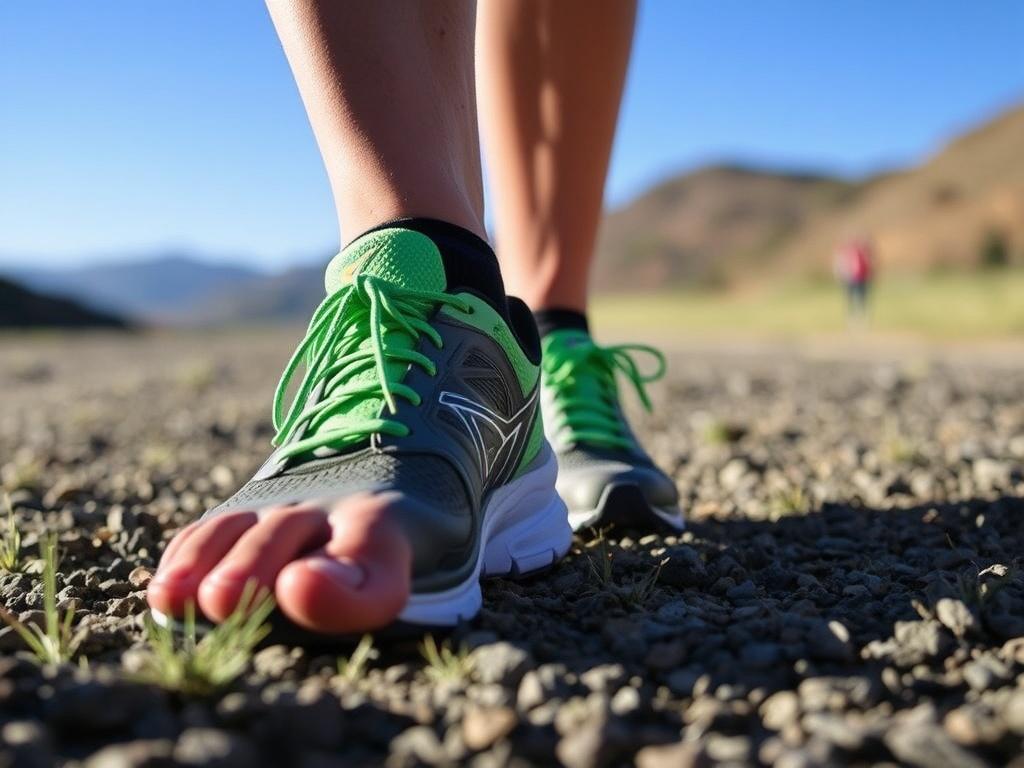
Travel and multi-day races introduce variables—different surfaces, shoe changes, and disrupted routines—that amplify foot risk. Pack at least two pairs of shoes if possible and rotate them to allow midsole recovery and reduce repetitive pressure at the same contact points.
On race weeks, avoid introducing radically different footwear right before a key event; use one pair for daily runs and test new shoes on shorter efforts well before race day. Bring blister kits, adhesive bandages, and a small care kit for showers and on-the-road maintenance; having these items handy prevents small issues from derailing a multi-day trip.
After travel days and races, prioritize basic care—wash feet, dry completely, address hotspots, and use restorative mobility work. Airline cabins, hotel carpeting, and long walks on hard surfaces compound load, so a brief routine after travel maintains tissue resilience and reduces the chance of accumulating problems.
Practical products and ingredients worth knowing
Several simple products reliably improve post-run outcomes: moisture-wicking socks, cushioned insoles if needed, blister plasters, and a firm ball for self-massage. For skin care, urea-based creams, lanolin, and emollients with glycerin restore moisture in very dry areas while avoiding overly greasy products that slip inside shoes.
Antiseptic solutions (70% isopropyl alcohol or chlorhexidine) and sterile dressings are useful for managing drained blisters or minor cuts. For antifungal prevention, over-the-counter powders or sprays containing tolnaftate or clotrimazole work for many runners; persistent fungal symptoms need prescription treatment.
Invest in a quality pair of clippers and a pumice stone, and consider custom orthotics if recurring mechanical issues limit training. Products don’t replace technique and consistency, but they amplify the effectiveness of a thoughtful routine and reduce friction points that lead to injury.
Real-life examples and personal experience
During my first marathon training block, ankle and arch soreness crept in after a series of long runs; adopting a five-minute post-run lacrosse ball routine and nightly calf stretches halted progression into plantar fasciitis. The change was simple but consistent, and it taught me the value of small, targeted interventions over dramatic fixes.
A training partner repeatedly blistered on long downhill segments until we swapped sock type and added friction-reducing tape to the hotspots; blisters stopped appearing within two weeks. That practical change—testing variables rather than assuming poor luck—was more effective than swapping shoes immediately.
Another runner I coached avoided recurring black toenails by switching to shoes with a larger toe box and trimming nails weekly during heavy mileage; the combination of fit and proactive grooming prevented months of discoloration and discomfort. These examples show that layered, individualized adjustments beat one-size-fits-all solutions.
Creating a sustainable weekly foot care plan
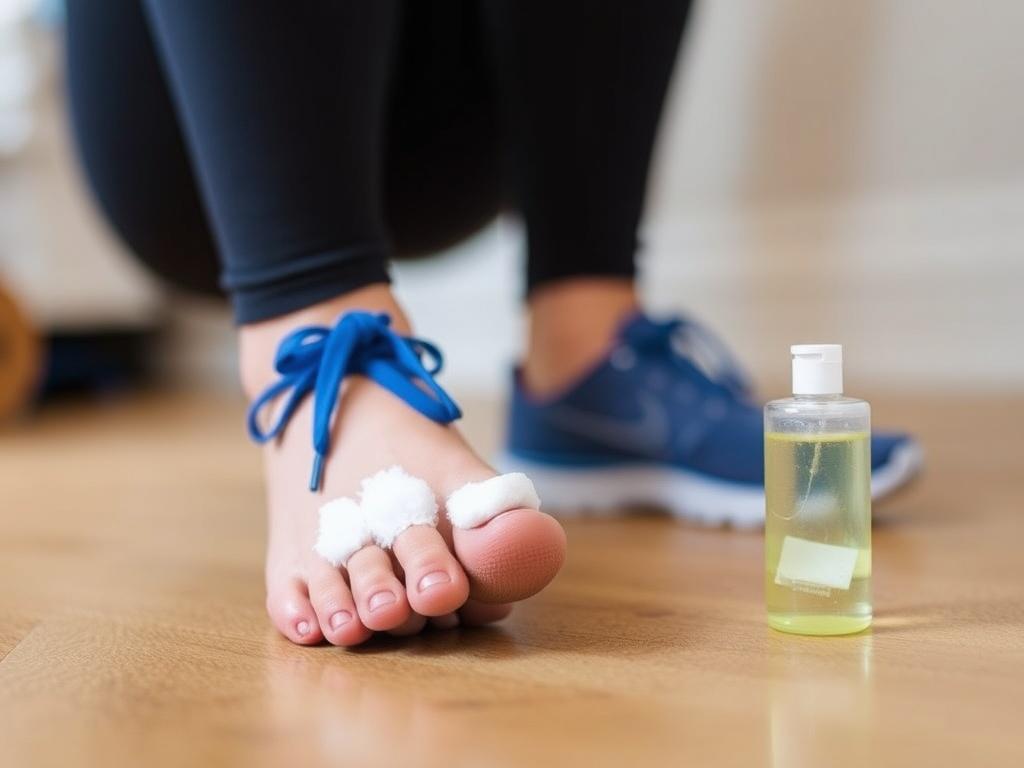
Consistency beats intensity when it comes to preventive foot care—small daily actions and one or two weekly maintenance steps keep issues at bay. A practical weekly plan might include daily inspection and drying, foot rolling after runs, three weekly strengthening sessions, and one longer session for callus management and moisturizing.
Schedule foot care like any other training element; put it on your calendar after running sessions until it becomes automatic. For busy runners, even a condensed five-minute routine after each run makes a measurable difference over a training cycle compared with sporadic attention.
Adapt the routine to your mileage and season: increase attention during buildup phases and reduce intensity of self-massage immediately after hard training blocks when tissue irritation is higher. The goal is durable habits that support training, not a burdensome checklist that you ignore on busy days.
Special considerations for trail runners and ultra-distance athletes
Trail surfaces, elevation changes, and longer time on feet amplify the risk of hotspots, abrasions, and joint strain. Trail runners should prioritize shoes with protective toe caps, durable uppers, and grippy soles while paying extra attention to lugged-sole packing of debris at aid stations or checkpoints.
Ultra-distance runners often use thicker lubricants, double-sock systems, or trail-specific socks designed for prolonged moisture management; these strategies reduce friction over hours and dozens of miles. For multi-day ultras, routine sterile dressing changes and foot inspections at each aid station prevent small abrasions from transforming into infections in remote settings.
Training on terrain similar to your event reduces surprise stressors, and practice with equipment (socks, gaiters, shoe volume) under race conditions eliminates many late-race problems. Trail runners who practice small-scale race-day foot maintenance often finish with fewer blisters and preserved toenail integrity.
When built-in support isn’t enough: orthotics and professional interventions
Over-the-counter insoles provide support for many runners, but persistent pain from structural issues—such as pronounced pronation, rigid high arches, or recurrent stress fractures—may benefit from custom orthotics. These devices redistribute pressure and correct alignment in a way that off-the-shelf products sometimes cannot.
A podiatrist or sports medicine specialist will perform a gait analysis, assess structural anomalies, and recommend whether a custom orthotic, footwear change, or physical therapy regimen is most appropriate. Surgical options are rarely necessary for common running ailments and are considered only after exhaustive conservative measures.
Physical therapy combines manual treatment, progressive loading, and movement retraining that targets the kinetic chain from hip to foot, often producing better long-term outcomes than isolated foot interventions. If pain limits your ability to run or walk normally, seek evaluation sooner rather than later to preserve training continuity.
Tips for integrating foot care into busy lifestyles
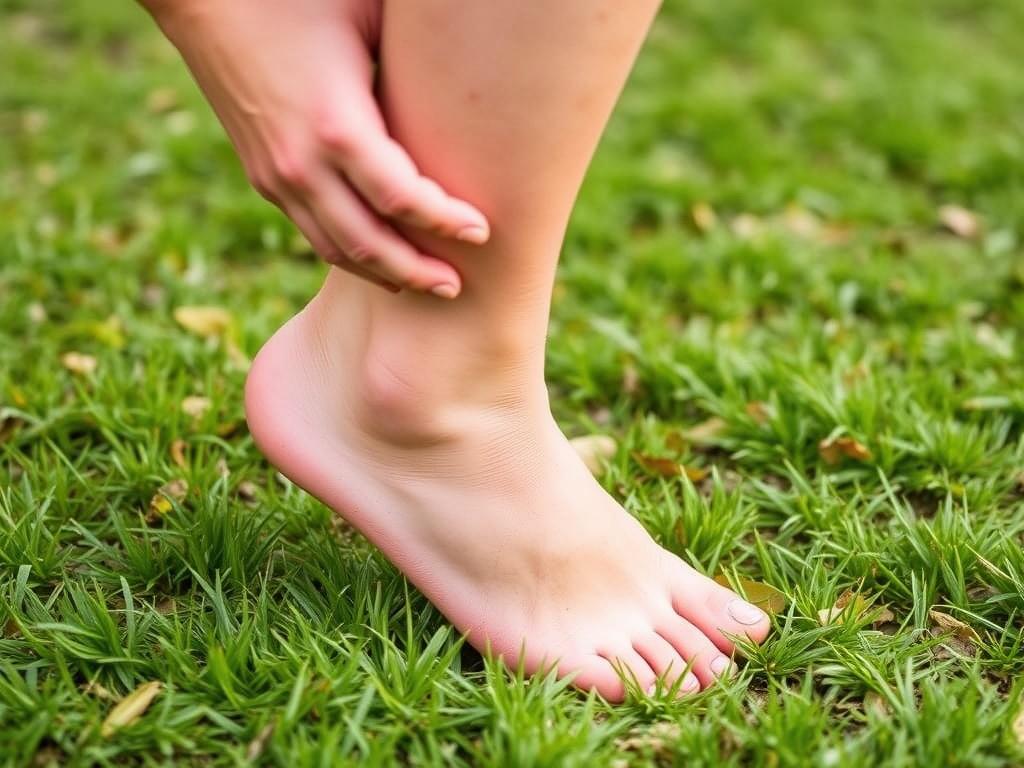
Busy schedules are the most common barrier to consistent care, so design a routine that fits into existing habits—dry and inspect feet while you make post-run coffee, do rolling while the shower warms, or file calluses during a favorite podcast. Making care enjoyable or part of a ritual increases adherence far more than ambitious but unrealistic plans.
Keep a small foot care kit near your running gear with plasters, a pumice stone, moisturizer, and a lacrosse ball so you’re less likely to skip steps. For traveling runners, compact versions of these essentials fit easily into a carry-on and make airport layovers an opportunity for recovery rather than a risk of deterioration.
Set realistic expectations: aim for steady improvements and be patient with stubborn issues. Small, consistent investments—ten minutes after runs, a weekly maintenance session—outpace emergency treatments and keep training momentum intact.
Upholding foot health is a practice more than a set of rules; it’s an ongoing conversation between your body, your shoes, and your training choices. Keep listening to hotspots and niggles, apply targeted care without panic, and build a simple, sustainable routine that supports miles rather than interrupts them.
Start small: inspect and dry your feet after your next run, add one strengthening exercise twice this week, and reassess any persistent pain with a clinician. Your feet will reward that attention with fewer injuries, more comfortable runs, and an ability to enjoy the distances you choose to chase.