Stepping out of a banya leaves skin flushed, relaxed, and craving attention. The heat opens pores and increases blood flow, which is a gift if you follow it with the right aftercare. This article walks you through clear, practical steps to soothe, protect, and nourish your facial skin after the steam session. Read on for routines, product choices, and real-life tips that keep your skin healthy and glowing.
What the banya does to your facial skin
A banya exposes your skin to concentrated heat and steam, and that changes the way it behaves for a while. Blood vessels widen, circulation increases, and sweat brings both impurities and minerals to the surface. For many people this produces a post-sauna glow, but the same process also temporarily weakens the skin’s barrier.
Heat accelerates water loss, and without proper care that can mean dehydration and sensitivity later. Pores appear more open and any topical ingredients you apply will penetrate more readily — that’s a good thing when you use calming, hydrating products, and a bad thing if you apply irritating or active ingredients too soon.
Immediate steps: the first 30 minutes after the banya
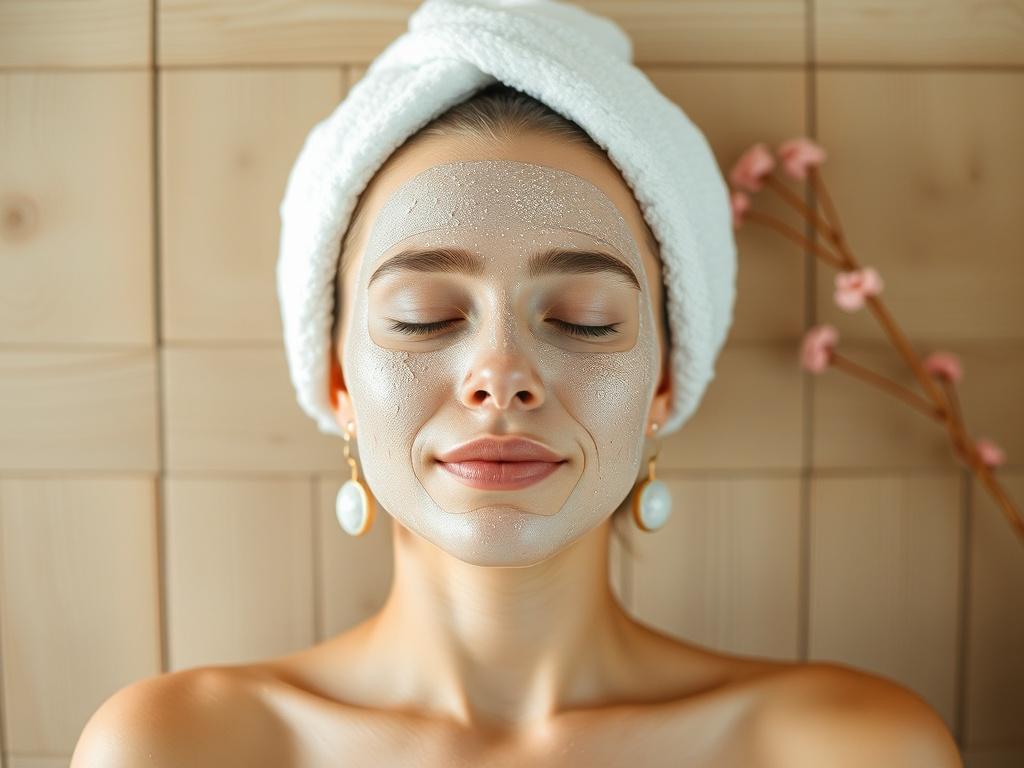
Right after you leave the steam room, give yourself a calm cool-down period. Sit or walk slowly for several minutes, allow your pulse to normalize, and drink a glass of water to begin rehydrating from the inside. Rapid temperature changes can be stressful for the skin and the cardiovascular system, so avoid jumping straight into a cold shower if your body feels overheated.
Once your skin has stopped feeling intensely hot, rinse your face with lukewarm water to remove sweat and surface impurities. Use a soft towel to pat the skin gently — never rub. At this stage avoid strong cleansers, toners with high alcohol content, or abrasive scrubs; the goal is gentle removal of surface grime, not stripping the skin.
Cleansing: when and how to do it
Cleansing after a banya should be gentle and efficient. If you wore products or heavy oils during the session, choose a mild, sulfate-free cleanser or a cream cleanser that lifts residue without disrupting the skin’s moisture barrier. Use light circular motions with warm water and rinse fully.
For those who prefer a deeper cleanse, wait 15–30 minutes after cooling down before doing a second, more thorough wash. Double cleansing right away can be too aggressive; instead, reserve deeper cleaning for later in the evening unless you feel visibly dirty. Always finish by patting dry and leaving the skin slightly damp for the next steps.
Exfoliation: timing and methods
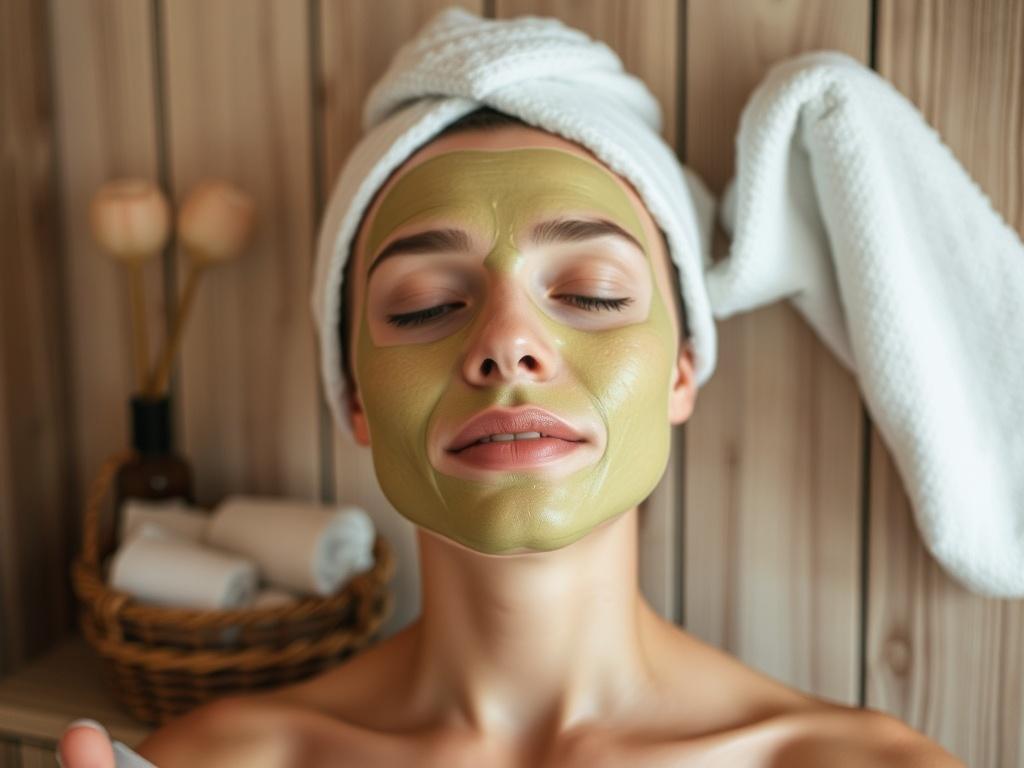
Exfoliation is tempting after the banya because pores feel open and skin seems fresh, but timing matters. Immediately after heat, the skin is more fragile; postpone mechanical exfoliation and strong chemical peels for 24–48 hours. A gentle enzymatic or light chemical exfoliant can be used later to smooth texture without irritation.
If you want to exfoliate the same day, choose a very mild approach: a low-concentration BHA (salicylic acid) for oily or acne-prone skin, or a mild enzyme powder for sensitive skin. Use once a week to start and observe how your skin reacts. Over-exfoliation will undo the benefits of the banya and may cause prolonged redness or flaking.
Hydration and toning: restore moisture and pH
After cleansing, restoring hydration is the priority. Apply a hydrating toner or essence that contains humectants like glycerin or hyaluronic acid while the skin is still damp. These ingredients draw water into the skin and work best when applied to slightly moist skin.
A soothing mist can be a convenient option on the go, especially one with thermal spring water, aloe, or panthenol. Avoid toners with high alcohol content or strong fragrances that could sting on heat-exposed skin. Keep the routine minimal: hydrate, soothe, then move on to sealing that moisture in.
Moisturizing and sealing: lock in the benefits
Choose your moisturizer based on skin type and the season: lightweight gel or lotion for oily skin, richer cream for dry skin, and a barrier-repair formula if your skin feels sensitive. Products with ceramides, fatty acids, and cholesterol help restore the skin’s protective lipids. Apply in gentle, upward strokes to avoid tugging.
For an extra layer of protection, use a light occlusive like squalane or a thin layer of petroleum jelly over delicate areas if the air is dry. This locks in hydration and prevents transepidermal water loss. If you plan to nap or go to bed soon after the banya, a restorative night cream can help the skin recover during sleep.
Masks and serums after the banya
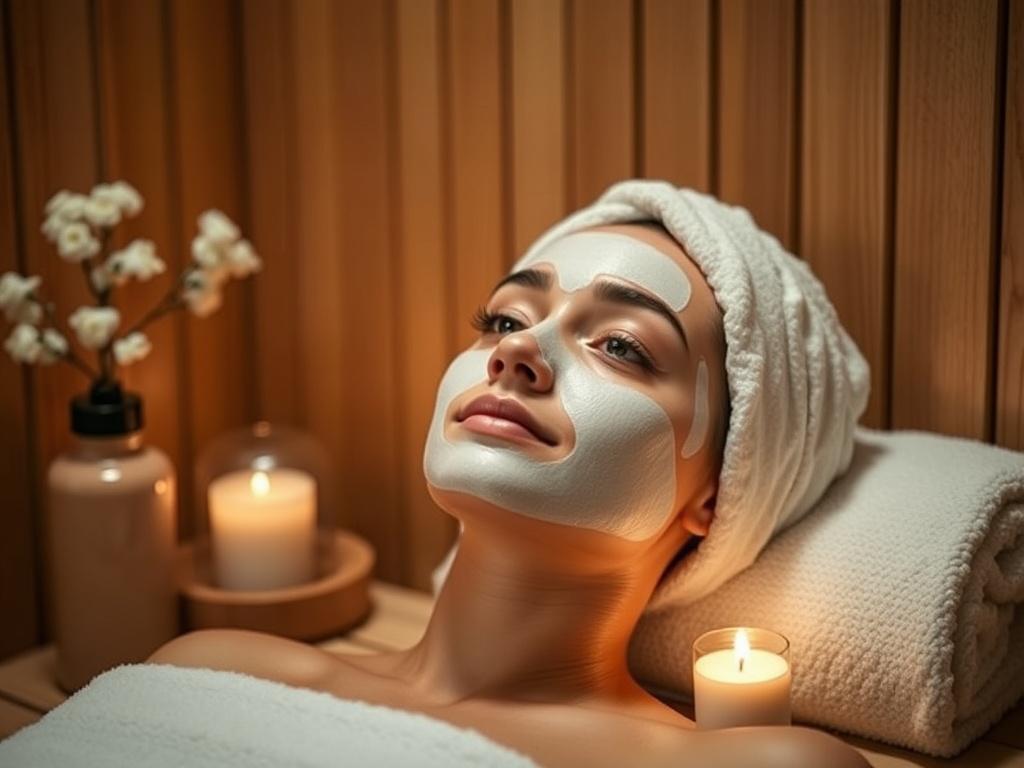
Masks and serums can amplify the benefits of the banya, but pick the right ones. Sheet masks saturated in hydrating essence are an excellent immediate option because they deliver moisture and have a cooling effect. Look for masks with hyaluronic acid, glycerin, panthenol, or aloe vera for instant comfort.
Concentrated serums with peptides or hyaluronic acid are ideal when applied to damp skin; the increased permeability after a banya means these actives absorb well. However, wait at least an hour before applying potent vitamin C or retinoids, as these can irritate freshly heated skin. Save stronger active treatments for the evening or the next day.
Step-by-step post-banya facial routine
Here is a practical sequence you can follow immediately after your session. Step 1: cool down and hydrate internally with water. Step 2: rinse face with lukewarm water and blot gently. Step 3: apply a hydrating toner or essence while skin is damp.
Step 4: layer a lightweight serum if desired, focusing on hydration or calming ingredients. Step 5: follow with a moisturizer appropriate for your skin type. Step 6: if you will be outdoors, finish with a broad-spectrum sunscreen; otherwise, add an occlusive if your skin feels dry. Keep the routine simple and avoid active ingredients for a few hours.
Special considerations for oily and acne-prone skin
For oily or acne-prone skin, a banya can initially feel like a cleanse, but excess heat can also stimulate oil production. After the session, use a gentle foaming cleanser to remove sweat and sebum without over-drying. Salicylic acid-based toners or spot treatments can be helpful, but don’t overdo them right after heat exposure.
Clay masks applied later in the day can help absorb excess oil and clean pores. If you use topical acne medications like benzoyl peroxide or higher-strength retinoids, apply them at night rather than immediately post-banya to avoid increased irritation. Keep treatments targeted and minimal when your skin is recovering from heat.
Sensitive skin and rosacea-prone faces
If you have sensitive skin or rosacea, the banya can trigger flushing or prolonged redness. Minimize time in the steam and avoid extreme temperature swings during cooling. After leaving, choose products labeled for sensitive skin with calming ingredients like colloidal oatmeal, panthenol, or centella asiatica.
Avoid immediate use of alcohol-based toners, exfoliants, and strong acids. If redness lasts more than a few hours or feels painful, cool compresses and a gentle barrier cream can provide relief. Consider consulting a dermatologist if banya visits consistently provoke flare-ups.
Dry and dehydrated skin
Dry skin benefits the most from the hydrating window after a banya. Apply humectant-rich products like hyaluronic acid or glycerin immediately to draw moisture in. Follow with an emollient-rich moisturizer that includes ceramides and fatty acids to repair the barrier and prevent water loss.
If your skin chips or feels tight, layer a lightweight facial oil or an occlusive at the end of your routine. Avoid hot showers after the banya; cooler water preserves natural oils and helps the barrier recover. Hydration from the inside matters too, so sip water or herbal tea post-session.
Mature skin
Mature skin often benefits from the circulation boost a banya provides, but it can also be thinner and more prone to dehydration. Focus post-session care on peptides, antioxidants, and richer moisturizers to support elasticity and hydration. Use serums with hyaluronic acid to plump fine lines and follow with a nourishing cream.
Avoid overly abrasive treatments after the banya; instead use gentle enzymatic exfoliation once or twice a week. Consider adding a nighttime peptide or retinoid regimen on alternate nights, while avoiding those actives immediately after the steam. A consistent, gentle routine will amplify the banya’s rejuvenating effects without overstressing mature skin.
Ingredients to include and ingredients to avoid
Certain ingredients complement the skin’s post-banya condition: humectants, ceramides, niacinamide, peptides, and soothing botanicals. These help rehydrate, repair, and calm the skin after thermal stress. Hyaluronic acid is particularly useful because it binds moisture and can be layered under a cream for best results.
Avoid alcohol-heavy toners, high-strength acids, fresh vitamin C serums with low pH, and retinoids immediately after the banya. These can sting and increase sensitivity. If you want to use stronger actives, wait at least several hours or save them for the next day when the skin has normalized.
Quick reference: recommended vs. avoid ingredients
| Recommended | Avoid immediately after banya |
|---|---|
| Hyaluronic acid | High-concentration AHAs/BHAs |
| Ceramides and fatty acids | Alcohol-based toners |
| Niacinamide | Freshly mixed low-pH vitamin C (immediate) |
| Panthenol and aloe vera | Strong retinoids |
| Peptides | Harsh physical scrubs |
Natural remedies and gentle DIY post-banya options
Natural ingredients can soothe and hydrate if you prefer minimal formulations. A cool compress of green tea — steeped, cooled, and applied with a soft cloth — can reduce redness and deliver antioxidants. Chamomile tea works similarly for calming irritated skin.
For a simple hydrating mask, mix plain Greek yogurt with a small amount of honey and apply for 10–15 minutes; the yogurt’s lactic acid is mild and honey is a gentle humectant and antimicrobial. Always patch test new DIY concoctions and avoid citrus or essential oils immediately after the banya because they can cause burning or sensitivity.
Common mistakes to avoid
One frequent error is rushing into intensive treatments immediately after the banya. Strong chemical peels, vitamin C, and retinoids can provoke irritation on heat-exposed skin. Give your skin time to cool and restore its barrier before using potent actives.
Another mistake is over-cleansing. Stripping the skin of its natural oils right after sweating can increase oil production and dryness. And finally, don’t forget internal hydration — the skin’s appearance depends heavily on water and electrolyte balance after heat exposure.
How often to go to the banya and when to schedule deeper treatments
Frequency of banya visits depends on your health and skin tolerance. For most people, one to two sessions weekly is common and well tolerated. If you have a chronic skin condition like rosacea or eczema, reduce frequency and consult your healthcare provider before regular visits.
Schedule deeper treatments — chemical peels, microdermabrasion, microneedling — at least a week away from banya sessions. Give your skin time to settle after professional procedures before exposing it to intense heat, and vice versa. Synchronize your banya routine with your aesthetic treatments for safer recovery and better results.
Sample post-banya routines for morning and evening
Morning routine after a banya session: cool down, rinse face, apply hydrating toner or essence, lightweight serum with hyaluronic acid, moisturizer, and sunscreen if you’ll be outdoors. Keep makeup minimal for a few hours to avoid clogging pores while skin is still settling.
Evening routine: gentle cleanse, hydrating mask or serum, a reparative night cream with ceramides or peptides, and an occlusive if needed. If you normally use retinoids, wait until the following night to reintroduce them. The evening is a good time for restorative ingredients when skin is less exposed to environmental stressors.
Tools and product tips: towels, mists, and fabrics
Use clean, soft towels and avoid rough fabrics that could irritate post-banya skin. Microfiber or plush cotton towels work well for gentle patting. Keep a small facial mister in your bag for a hydrating spritz after leaving the banya or during travel.
Consider cooling tools like a chilled jade roller or refrigerated gua sha for immediate calming if redness persists. Don’t overuse at first; a minute or two of gentle rolling can reduce swelling and increase comfort without triggering more sensitivity. Sanitize tools regularly to prevent bacterial buildup.
Lifestyle factors that affect post-banya skin recovery
Hydration is not just topical: drink water and consider electrolyte-replenishing beverages if you sweated heavily. Alcohol and excessive caffeine can contribute to dehydration and may prolong redness, so limit them after intense heat exposure. A balanced meal after the session can provide nutrients your skin needs for repair.
Sleep is another critical factor. The skin does its best repair work during sleep, so getting quality rest after a banya amplifies benefits. Avoid heavy makeup and let the skin breathe overnight to support natural regeneration processes.
When the banya can aggravate skin conditions
People with active eczema, open wounds, severe acne, or poorly controlled rosacea should be cautious. Heat and sweat can exacerbate inflammation, introduce bacteria, or prolong flare-ups. If you have chronic or severe skin conditions, speak with a dermatologist before regular banya visits.
Pay attention to how your skin feels after a session. Persistent burning, itching, or spreading redness are signs that you should stop and seek professional advice. In many cases, adjusting temperature, duration, or post-banya products is enough to maintain a comfortable routine.
Sun protection after the banya
Even if you plan only light outdoor exposure, apply broad-spectrum sunscreen after the banya if you’ll be outside. Heat doesn’t negate UV damage, and freshly flushed skin can be more vulnerable to sunburn. Choose a physical sunscreen with zinc oxide or titanium dioxide if your skin is sensitive, as these tend to be less irritating.
If you’re indoors but near windows, remember UV still penetrates glass. Reapply sunscreen according to the product instructions if you’ll be out for extended periods. A wide-brimmed hat offers extra protection and allows your skin to recover without continuous sun exposure.
Products to keep in your banya bag
Prepare a compact post-banya kit with essentials: a soft towel, facial mist, a gentle cleanser, a hydrating serum, moisturizer, and sunscreen. If you prefer sheet masks, keep a few in a cooler bag for immediate hydration after cooling down. A small bottle of mineral water spray can be refreshing and soothing without additives.
For those with sensitive skin, include a small tube of barrier cream and a cooling gel like aloe vera. These items let you respond quickly to irritation or dryness and avoid reaching for whatever’s on hand, which might be unsuitable. Having a consistent kit helps maintain a reliable routine wherever you visit the banya.
Personal experience: how I adapted my routine
After years of weekend banya sessions, I learned to simplify rather than layer too many products. Early on I made the mistake of using a strong vitamin C serum directly after steam and spent an evening nursing stinging skin. Now I stick to hydration and gentle repair immediately after, reserving potent actives for the following night.
One practical trick that helped was carrying a filtered water spray and a lightweight sheet mask in a cooler. Applying a hydrating sheet mask for ten to fifteen minutes after cooling down transformed my post-banya glow into lasting softness without irritation. Small changes like that made the routine easy and effective.
A practical checklist for your post-banya facial care
- Cool down and hydrate internally with water.
- Rinse face with lukewarm water; pat dry gently.
- Apply hydrating toner or essence on damp skin.
- Use a lightweight serum if needed; avoid harsh actives.
- Apply moisturizer and, if dry, an occlusive layer.
- Use sunscreen before going outdoors.
- Delay strong exfoliation and chemical treatments for 24–48 hours.
When to see a dermatologist
If post-banya redness, stinging, or swelling is severe or lasts beyond a couple of days, schedule a dermatology appointment. Persistent broken capillaries, worsening rosacea, or repeated flare-ups that correlate with banya visits are signs to seek professional guidance. A dermatologist can tailor advice and prescribe treatments to help you enjoy the banya safely.
Also consult a professional if you develop signs of infection such as pus, spreading warmth, or fever after a skin issue. Early intervention prevents complications and helps you continue bathing practices without harming your skin.
Final practical tips and reminders
Keep your post-banya facial routine simple: hydrate, soothe, and protect. Use gentle, fragrance-free products immediately after steam, and reintroduce actives only once the skin feels normal. Small steps performed consistently deliver better results than aggressive treatments performed sporadically.
Listen to your skin and adjust frequency, product strength, and cooling practices based on how you respond. A well-planned post-banya routine can enhance the benefits of the steam, leaving your face calm, hydrated, and genuinely glowing for days afterward.