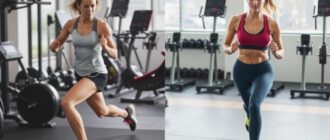
Looking to shape and strengthen your glutes but don’t have a gym membership? This guide lays out a clear, practical path you can follow in a small apartment, a backyard, or even a hotel room. I’ll explain the science, share effective exercises, give weekly plans for different levels, and include tips that actually stick.
Why prioritize the glutes
Strong glutes do more than improve how jeans fit; they power everyday movement. The glute muscles stabilize your pelvis, support your lower back, and generate force for walking, running, lifting, and climbing stairs.
Neglected glutes can lead to poor posture, knee pain from overcompensating, and weaker athletic performance. Training them deliberately reduces injury risk and makes other lifts—deadlifts, squats, and lunges—safer and more effective.
The anatomy and how muscles grow
The gluteal complex has three main muscles: gluteus maximus (largest, hip extension), gluteus medius (hip abduction and stabilization), and gluteus minimus (assists abduction and internal rotation). Understanding their roles helps you choose exercises that hit each muscle properly.
Muscle growth requires mechanical tension, metabolic stress, and appropriate volume. In practice, that means progressively challenging the muscles with heavier loads or tougher variations, accumulating enough sets and reps, and allowing for recovery and nutrition to support repair.
Core training principles for home workouts
You can build muscle without a gym if you apply three principles consistently: specificity, progressive overload, and recovery. Specificity means choosing movements that load the glutes; progressive overload means increasing difficulty over time; recovery means sleep, nutrition, and rest days.
Quality of movement beats mindless repetition. Focus on full range of motion, controlled tempo, and feeling the glutes work rather than letting the quads or lower back dominate. Tracking weights, reps, and how the movement feels will keep progress steady.
Minimal equipment that changes the game
You don’t need a full home gym to grow your glutes; a few inexpensive items open up many options. A set of resistance bands, an adjustable dumbbell (or two fixed weights), and a stable bench or chair get you far.
Resistance bands provide constant tension and are excellent for glute activation, hip thrust progressions, and lateral walks. Dumbbells let you add meaningful load for split squats, Romanian deadlifts, and weighted hip thrusts when bodyweight alone becomes too easy.
Warm-up and mobility: why it matters
A short, targeted warm-up primes the glutes and reduces compensatory movement from the hamstrings or lower back. Spend five to ten minutes on dynamic mobility: hip circles, leg swings, and banded lateral walks to wake the posterior chain.
Activation drills like glute bridges, clamshells, and monster walks with a light band prepare the neuromuscular system to recruit the glutes during heavier sets. Doing these before every session makes your working sets more productive and lowers injury risk.
Key compound exercises and how to perform them
Compound movements—those that involve multiple joints—deliver the greatest bang for your training time because they allow heavier loading and recruit more muscle fibers. Hip thrusts, squats, and Romanian deadlifts are core lifts for glute development. Below are clear cues and common variation options to use at home.
Hip thrust (and glute bridge variations)
Hip thrusts emphasize hip extension and place large direct load on the gluteus maximus. Set your upper back on a bench or sturdy chair, feet flat, then drive through the heels to lift the hips until your torso aligns with your thighs, squeezing the glutes at the top.
Progress by adding a dumbbell or weighted backpack across your hips, pausing at the top, or switching to single-leg hip thrusts when you can manage 12–15 reps with good form. Glute bridges on the floor are the lower-setup alternative for beginners and for higher-rep finisher sets.
Romanian deadlift (RDL) and single-leg RDL
The RDL targets the posterior chain—glutes and hamstrings—through a hip hinge movement. Keep a slight bend in the knees, hinge at the hips while maintaining a neutral spine, and feel the stretch in the hamstrings before driving the hips forward to stand.
Single-leg RDLs add stability demands and work the gluteus medius, which helps with balance and unilateral strength. Use bodyweight or a dumbbell in the opposite hand; prioritize control over range of motion to maintain balance and avoid twisting the torso.
Bulgarian split squat and split squat alternatives
The Bulgarian split squat is a unilateral squat with the rear foot elevated, which loads the front-leg gluteus maximus and quads strongly. Position the rear foot on a bench or chair, descend keeping the knee aligned over the toes, and press through the front heel to rise.
If you lack elevation, perform a static split squat or walking lunge, focusing on long stride lengths to emphasize hip extension. Add weight by holding dumbbells or a backpack and increase depth as hip mobility improves.
Squat variations that target the glutes
Wide-stance squats and goblet squats shift more emphasis to the glutes compared to narrow squats. For goblet squats, hold a weight at your chest, sit back into your hips, and keep the chest upright to allow deeper hip flexion and better glute activation.
Pulse squats and tempo squats—slow eccentrics or short holds at the bottom—build time under tension without needing heavy external loads. Use these variations for hypertrophy-focused sessions or when equipment is limited.
Accessory moves: banded walks, clamshells, donkey kicks
Small, targeted moves strengthen the gluteus medius and minimus, improving hip stability and the overall shape of the butt. Banded lateral walks, clamshells, monster walks, and donkey kicks are perfect for activation sets and higher-rep accessory work.
These exercises are low-impact and can be performed daily in short bouts to reinforce neuromuscular patterns. Keep tension on the band, maintain a slight hip hinge for stability, and perform controlled reps with deliberate muscle engagement.
Sample workouts by level
Below are three practical weekly templates—beginner, intermediate, and advanced. Each plan balances compound lifts, unilateral work, and accessory volume so you progressively overload the glutes while managing recovery. Use the warm-up and activation drills before each session.
| Day | Beginner | Intermediate | Advanced |
|---|---|---|---|
| Day 1 | Bodyweight squats, glute bridges, band walks | Goblet squats, hip thrusts, RDL | Barbell/dumbbell hip thrusts, heavy RDLs, Bulgarian split squats |
| Day 2 | Rest or light walk | Mobility + core | Accessory circuit (bands, single-leg work) |
| Day 3 | Lunges, clamshells, step-ups | Bulgarian split squats, single-leg RDL, banded walks | Plyometrics (box jumps), heavy split squats, tempo squats |
| Day 4 | Active rest | Rest | Rest |
| Day 5 | Full-body low-intensity | Hip thrust variations + high-rep accessory | Heavy compound day + accessory finishers |
| Day 6–7 | Rest or walk | Active recovery + mobility | Active recovery and mobility |
Adjust sets and reps based on experience: beginners do 2–3 sets of 8–15 reps, intermediates 3–5 sets of 6–12 reps, and advanced trainees mix heavy 3–6 rep work with higher-rep hypertrophy sets. If you only have time for two focused sessions per week, prioritize hip thrusts and a unilateral movement each session.
Progression tactics without heavy weights
Progressive overload doesn’t require heavy plates; use harder variations, increase volume, manipulate tempo, or shorten rest intervals. For example, move from two-legged hip thrusts to single-leg, add pauses at the top, or change a controlled 3-second descent to a faster concentric phase.
Resistance bands let you increase loading by grabbing a thicker band or using two bands at once. You can also slowly increase the number of sets per week or the number of quality reps per set to maintain steady gains when external load is limited.
Weekly microcycle examples and rep schemes
Resist the urge to chase a single “perfect” rep range; mix endurance-style high reps (15–30) for metabolic stress with moderate hypertrophy ranges (8–15) and occasional heavy sets (3–6) for strength. An example microcycle could use heavy lifts on day one, unilateral strength on day three, and a high-rep burn-out on day five.
Log progressions each week: increase one variable at a time—2–5 more reps, slightly heavier load, or reduced rest—to avoid overreaching. Small, consistent improvements add up faster than sporadic maximum-effort sessions.
Nutrition essentials for glute growth
Building muscle requires sufficient calories and protein. Aim for a modest caloric surplus if your goal is to add noticeable muscle mass, or maintenance calories if you want to recomposition while minimizing fat gain.
Protein around 0.7–1.0 grams per pound of bodyweight is a solid target for most people seeking muscle growth. Distribute protein evenly across meals to maximize muscle protein synthesis, and prioritize whole foods for micronutrients that aid recovery and performance.
Sample meal ideas and protein counts
| Meal | Example | Protein (approx.) |
|---|---|---|
| Breakfast | Greek yogurt, oats, berries, and nuts | 20–25g |
| Lunch | Grilled chicken salad with quinoa and veggies | 30–40g |
| Snack | Cottage cheese with fruit or a protein shake | 15–25g |
| Dinner | Salmon, sweet potato, and steamed greens | 30–40g |
Hydration and micronutrients matter for recovery: aim for regular fluid intake, whole fruits and vegetables, and dietary fat sources to support hormone function. Supplements like whey protein or creatine monohydrate can be helpful but aren’t essential—nutrition consistency is the priority.
Recovery strategies and sleep
Muscle grows between workouts, not during them, so recovery is non-negotiable. Prioritize 7–9 hours of quality sleep per night to optimize hormonal environment, repair tissues, and solidify training adaptations.
Active recovery—walking, light cycling, yoga—promotes circulation and reduces soreness without taxing the nervous system. If soreness is stubborn, reduce intensity or volume for a session rather than skipping movement entirely.
Injury prevention and safe progress
Technique protects you more than ego. If a load or variation causes pain in the knees, hips, or lower back, stop and reassess form, reduce range, or select a safer alternative. Persistent pain deserves professional evaluation.
Incorporate mobility work for the hips, thoracic spine, and ankles to facilitate better positions in squats and lunges. Use gradual progressions when reintroducing heavier loads after injury or long breaks to avoid tissue overload.
Common mistakes that slow progress
Relying solely on high-rep band work without increasing intensity will eventually stall growth—challenge must increase. Another common error is letting other muscles dominate; for example, using too much knee travel in squats or lifting through the lower back during hip thrusts shifts the stimulus away from the glutes.
Skipping unilateral work leads to strength imbalances; incorporate single-leg variations to correct asymmetries and improve stability. Finally, inconsistency is the largest barrier: consistent, progressive work over months produces visible change.
Practical session templates you can follow
Here are three focused session examples you can cycle through. Each session takes 30–50 minutes and balances compound loading, unilateral stability, and accessory finishers to maximize time and results.
- Session A: Warm-up, barbell/dumbbell hip thrusts 4×8, Romanian deadlifts 3×8–10, banded lateral walks 3×20, plank 3x45s.
- Session B: Warm-up, Bulgarian split squats 3×8 each leg, goblet squats 3×12, clamshells 3×15 each side, farmer carry 2x60s.
- Session C: Warm-up, single-leg RDLs 3×10 each leg, step-ups 3×12 each leg, donkey kicks 3×20, stretching and mobility 10 minutes.
Rotate these sessions across a week with rest or active recovery days between demanding workouts. If you have more time, add a light low-impact cardio session, like brisk walking, to support circulation and recovery.
No-equipment options when you have nothing on hand
Even without bands or weights, you can elicit strong glute work using tempo, unilateral variations, and creative load. Single-leg squats to a chair, long-step lunges, glute bridge march, and elevated single-leg bridges are all high-value choices.
Increase difficulty by slowing the eccentric phase to 3–4 seconds, adding holds at the top, stacking reps into short rest-pause sets, or increasing total sets. Pay attention to the muscle burn and fatigue—if the glutes are under challenge, the session is working.
Home gym setup and inexpensive buys
If you’re ready to invest a little, prioritize a heavy-duty resistance band set, one adjustable dumbbell, and a stable bench or plyo box. These items give you the ability to load hip thrusts, progressively challenge RDLs, and perform a broad range of unilateral work safely.
A yoga mat and foam roller are inexpensive tools that improve mobility work and recovery at home. Spend money where it provides the most utility—bands and a single adjustable weight often outpace dozens of cheap dumbbells in value.
Tracking progress: metrics that matter
Use a training log and simple progress metrics to stay honest about improvement. Track weights used, sets and reps completed, and subjective difficulty; also take monthly photos or measure hip circumference to objectively see change over time.
Performance goals—like increasing hip thrust weight, improving single-leg RDL depth, or reducing rest between sets—are tangible markers that your glutes are getting stronger, even if the scale doesn’t move much. Celebrate incremental wins to maintain motivation.
How often should you train glutes?
Training the glutes 2–4 times per week with varied intensity is effective for most people. Two focused sessions plus one light activation/mobility day works well for beginners, while intermediates and advanced lifters can handle three or more quality sessions if recovery is adequate.
Split hard and easy days so you don’t ask the nervous system to run at maximum weekly frequency. Programming a heavy day, a medium day, and a light technique or metabolic day balances stimulus and recovery for continued growth.
Tips for motivation and habit formation
Make training non-negotiable by anchoring workouts to a daily routine—train right after work, or follow a morning ritual to reduce decision fatigue. Short, consistent sessions are better than occasional long workouts; 30 minutes of focused effort most days beats sporadic marathon sessions.
Set small process goals like “complete three sessions per week” rather than only outcome goals, which keeps you committed through plateaus. Find training partners, join online communities, or use playlist and timers to make sessions feel inevitable rather than optional.
Author experience: what worked for me

When I switched to home training for several months, I relied heavily on hip thrusts, bands, and unilateral work to rebuild strength. Tracking small weekly increases—two or three more reps, a thicker band, or a longer hold—kept progress consistent when heavier gym gear wasn’t available.
I also learned that recovery was the multiplier: better sleep and simple protein-focused meals accelerated visible changes more than random extra workouts. These practical shifts made training sustainable and effective without a full gym setup.
Quick troubleshooting guide
If the glutes aren’t responding, check these variables: intensity (are you progressively challenging the muscle?), volume (are you doing enough sets per week?), and recovery (sleep and nutrition). A common fix is to add one extra glute-focused set per session or to include more unilateral work to address imbalances.
If form breaks down as you fatigue, reduce load or use a simpler variation and build up from there. If pain is sharp or persistent, stop the offending movement and consult a healthcare professional to rule out structural issues.
Practical timeline: what to expect
Initial neural adaptations—improved coordination and strength—can appear within 2–4 weeks of consistent training, often making movements feel easier. Noticeable hypertrophy typically requires 8–12 weeks of regular, progressive training and adequate nutrition for most people.
Patience and consistency are the real determinants of lasting change. Track progress, adjust programming slowly, and treat setbacks as data rather than failure to keep moving forward.
Final notes and next steps

Training your glutes at home is a practical and effective path when you follow principles: pick the right movements, apply progressive overload, and support recovery with nutrition and sleep. With minimal equipment and a consistent plan, you can build strength, improve posture, and change the way you move every day.
If you’d like, start with the beginner weekly template, log workouts for four weeks, then gradually move to intermediate progressions by increasing load or adding single-leg complexity. Small, steady improvements will lead to meaningful results without a gym membership.
And if you’re searching for targeted guidance in Russian, the phrase “Как накачать ягодицы в домашних условиях” sums up the goal—train smart, remain consistent, and adapt the program to your space and tools. The plan above gives you everything you need to make measurable progress at home.