
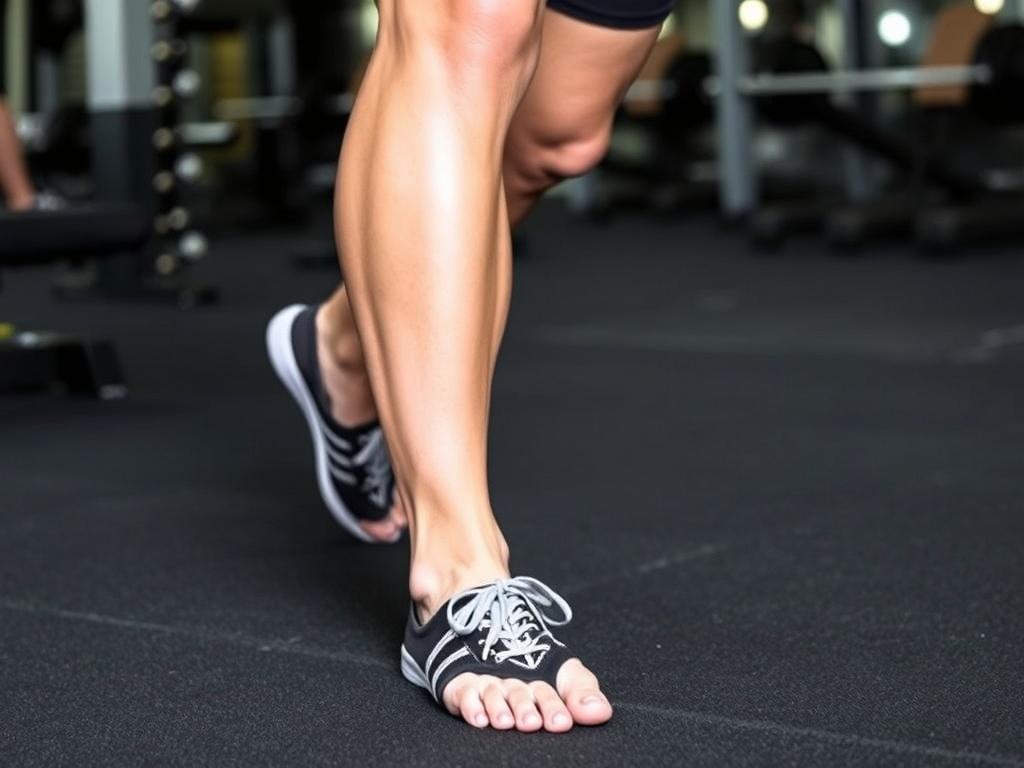
Calves are stubborn. You can squat, lunge, and sprint for months and still wonder why your lower legs refuse to match the rest of your physique. This guide walks through anatomy, proven training principles, specific exercises, and practical programs so you can finally sculpt calves that look and perform better.
Why calf development feels so difficult
Part of the problem is anatomy: the calf is two main muscles stacked on top of each other and designed for endurance rather than brute size. The gastrocnemius creates the visible bulge and responds well to heavy, standing work, while the soleus sits underneath and prefers higher-rep, seated or bent-knee loading.
Another reason is everyday conditioning. Calves are used constantly for walking and standing, so they adapt quickly to low-intensity work and need specific progressive overload to grow. That means more volume, variety, and a plan tailored to their unique fiber makeup.
Understanding calf anatomy and function
The two primary muscles are the gastrocnemius and the soleus. The gastrocnemius crosses both the knee and the ankle; when the knee is straight, it contributes most to plantarflexion and shows more surface when developed.
The soleus sits deeper, attaches below the knee, and functions primarily when the knee is bent. Because it contains a higher percentage of slow-twitch fibers, it thrives on longer sets, tempo work, and higher frequency sessions.
Principles that actually work for calf growth
Progressive overload is non-negotiable: increase load, volume, or intensity over time. Since calves are used to low-level loading, you need to consistently nudge difficulty forward with heavier weights, more reps, extra sets, or shorter rest periods.
Frequency matters. Training calves two to four times per week tends to outperform once-a-week approaches because the muscle responds to frequent stimulus and recovers quickly. Short, focused sessions repeated across the week accumulate growth without excessive fatigue.
Range of motion and contraction quality
Full range of motion is crucial: get a deep stretch at the bottom and a full, controlled contraction at the top. Skimping on depth reduces the stimulus to the muscle fibers that drive growth, especially the soleus which benefits from a long-stretched position.
Pause briefly at the top to emphasize the concentric peak, and eliminate bouncing at the bottom unless specifically doing plyometrics. Intentional, controlled reps beat mindless repetitions every time.
Types of contractions and rep ranges
Calves respond to a mix of tension types: heavy low reps for the gastrocnemius and higher reps for the soleus and endurance-oriented fibers. Structure sessions to include heavy sets (4–8 reps), moderate sets (8–15 reps), and high-rep sets (15–30+ reps) to target all fiber types.
Isometric holds and slow eccentrics (3–5 seconds down) increase time under tension and can break plateaus. Rotate these tempos through training blocks rather than applying the same speed every workout.
Key calf exercises and when to use them
Not all calf exercises are equal. Standing calf raises target the gastrocnemius and let you use heavier loads, while seated raises emphasize the soleus by bending the knee. Single-leg variations reveal imbalances and boost intensity when bilateral loading stalls.
Plyometric drills like jump rope or box jumps recruit fast-twitch fibers and improve power, which can enhance the appearance of calves through increased muscle tone and density. Choose exercises based on your goals and current limitations.
Standing calf raise (barbell or machine)
This is the go-to for building that visible calf peak. Load can be heavy, the movement is straightforward, and it allows for progressive overload using barbells or smith/machine platforms.
Stand on a raised surface, push through the balls of your feet, and fully extend upward. Lower slowly into a deep stretch; controlled eccentric work helps stimulate growth.
Seated calf raise
Use this when you want to target the soleus. Because the knee is bent, the gastrocnemius is less involved, forcing the soleus to handle the load. This is ideal for higher-rep work and for lifters whose standing raises haven’t produced balance between the two muscles.
Keep the torso steady and drive through the entire forefoot. Build volume here with 12–25 reps to tax slow-twitch fibers effectively.
Single-leg calf raise
Single-leg work strips away compensations and doubles the load demand on each calf. It’s particularly useful if one calf lags, or if you lack heavy loading options and need a high-intensity bodyweight stimulus.
Perform on a step for full ROM and add weight via dumbbell or kettlebell when bodyweight becomes too easy. Keep repetitions strict and pause at the top for maximal contraction.
Donkey calf raise and variations
The donkey raise shifts the torso forward and allows bodyweight or partner-loaded resistance to be applied, creating a powerful stretch and contraction. Historically popular with bodybuilders, it still serves as a strong choice for peak development.
Use variations like bent-knee donkey raises to tilt stimulus toward the soleus. If you don’t have the equipment, a bench and a loaded belt or plate can mimic the effect.
Plyometrics, sprinting, and hill work
Explosive activities recruit fast-twitch fibers and develop stiffness in the musculotendinous unit, which helps calves look more defined and perform better. Sprints, hill repeats, and reactive jumping trains the calves in a functional, sports-specific way.
Limit plyometric volume to avoid overuse problems; two short sessions weekly are enough if combined with strength work. Focus on quality and quick ground contact rather than long bounding sets.
Programming calves for real growth
Create blocks of 4–12 weeks with clear progressions. For most people, combining heavy standing work and higher-rep seated or single-leg work in each week is an efficient template for balanced growth.
Example weekly structure: one heavy standing day, one volume seated or single-leg day, and an optional power or plyometric session. That yields frequency, intensity, and variety without excessive fatigue.
Sample beginner program (8 weeks)
Begin with three sessions per week, keeping sessions short and focused. Start conservatively and increase either load or reps each week by small increments.
Session A: Standing calf raises 4×8–10, Single-leg calf raises 3×10 per leg. Session B: Seated calf raises 4×12–15, Jump rope 3×60 seconds. Progress by adding sets or reps every 7–10 days.
Sample intermediate program (12 weeks)
Intermediate lifters benefit from a two-block approach: four weeks of heavier strength focus, followed by four weeks of higher volume and four weeks combining both. Mix tempos and include isometric holds every other week.
Weekly layout: Heavy standing day (5×4–6), Volume seated day (5×15–20), Power day (sprints or plyos 6–8 sets). Add overload through increased weight, extra reps per set, or reduced rest to keep stimulus novel.
Advanced strategies
Advanced trainees should manipulate variables: partials, drop sets, rest-pause, and cluster sets. These techniques increase intensity and time under tension when simple load increases are no longer producing gains.
Periodize the year so calves receive alternating phases of strength, hypertrophy, and power work to stimulate different fiber types and keep progress sustainable.
Sample 12-week progression
- Weeks 1–4: Foundation (volume emphasis, establish technique)
- Weeks 5–8: Strength (lower reps, heavier weights, 3–4 sets)
- Weeks 9–12: Hypertrophy/power mix (supersets, plyometrics, and higher tempo work)
Adjust progression according to how your calves respond. If soreness lingers into the next session, dial back volume; if you recover quickly, increase it gradually. The goal is consistent upward pressure, not reckless jumps.
Technique cues that make a difference
Think vertical drive: imagine pushing the floor down rather than just lifting the heels. That mental cue helps recruit the correct muscles and reduces ankle compensation. Keep toes pointing forward or slightly out depending on individual anatomy; small tweaks can change the emphasis across the muscle belly.
Control both phases of the rep. A slow eccentric followed by a deliberate concentric recruits more fibers and increases metabolic stress. A one-second squeeze at the top contributes to improved peak shape over time.
Common mistakes to avoid
Bouncing through reps, using only heavy partials, and training calves once every week are among the most common errors. Any of these can stall progress because they fail to provide the sustained, progressive load the calves need.
Another mistake is underestimating volume. Because calves are accustomed to frequent use, they often need more sets per week than other muscle groups. Aim for 10–20 total working sets weekly split across sessions, adjusted to recovery and life stressors.
Recovery, mobility, and injury prevention
Calf strains and Achilles issues often come from sudden jumps in intensity or neglected mobility. Warm up thoroughly with dynamic ankle mobility and light calf raises before heavy work to prepare tissues for load.
Include soft tissue work like foam rolling and targeted stretching after sessions. Regular eccentric loading builds tendon resilience, while short daily mobility drills can maintain healthy ankle dorsiflexion and reduce compensatory patterns.
Nutrition and recovery for muscle growth
Hypertrophy needs calories and protein just like any other muscle. Aim for a modest calorie surplus if your goal is size, and target roughly 0.7–1.0 grams of protein per pound of bodyweight per day to support repair and growth.
Sleep, stress management, and overall activity levels influence recovery. Calf training can be frequent, but cumulative fatigue from poor sleep or heavy daily walking will blunt growth—prioritize recovery as much as the workouts themselves.
Tracking progress and making adjustments
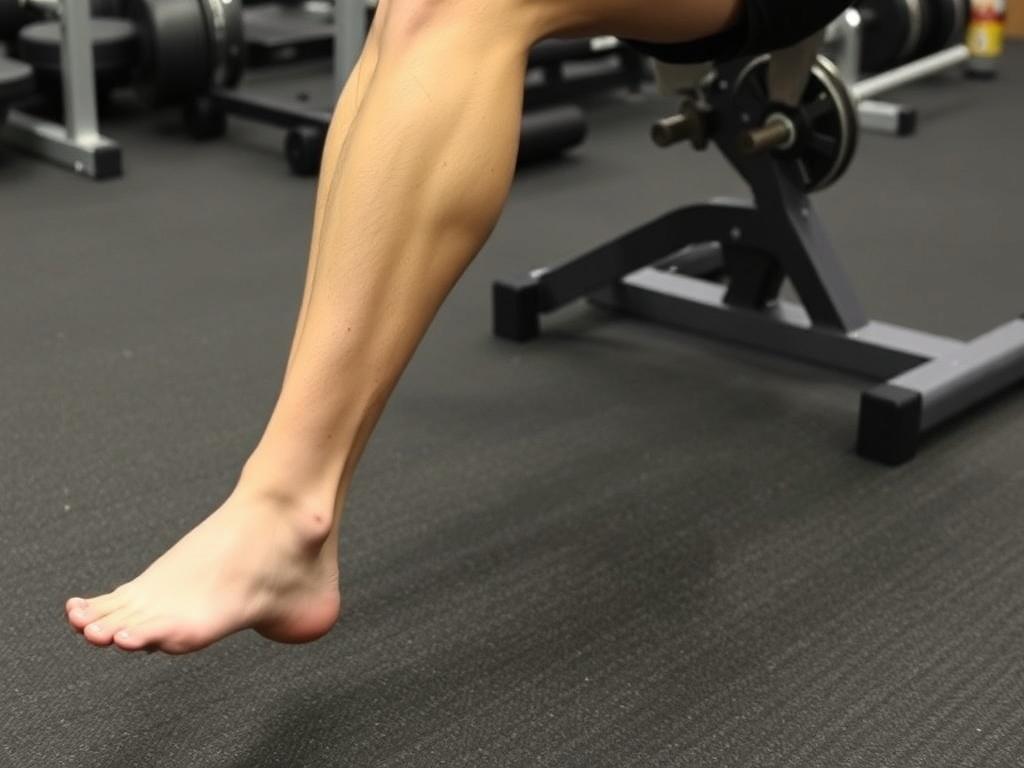
Measure success with multiple metrics: visual changes, circumference measurements, strength increases, and performance in plyometric tasks. Photos taken every 4–6 weeks under similar lighting and posture are a reliable way to see real changes.
If strength is increasing but size isn’t, raise total weekly volume or insert metabolic techniques such as drop sets. If size improves but strength lags, add heavier low-rep sessions to build force production and density.
Sample workout templates
Here are three concise templates you can plug into an existing routine. They balance standing, seated, and single-leg work and vary intensity deliberately across the week to encourage adaptation without overtaxing recovery.
- Template A (2x/week): Heavy standing 5×5–6; Seated 4×15
- Template B (3x/week): Standing moderate 4×8; Single-leg 3×12 per leg; Jump rope 5×45 sec
- Template C (4x/week split): Two heavy days (5×4), two volume days (4×20), optional plyo 4×6
Exercise comparison table
| Exercise | Primary target | Best rep range | Equipment |
|---|---|---|---|
| Standing calf raise | Gastrocnemius | 4–12 | Barbell, machine, dumbbells |
| Seated calf raise | Soleus | 12–25 | Seated machine, dumbbell on knee |
| Single-leg calf raise | Each calf, stability | 8–20 | Bodyweight, dumbbell |
| Plyometrics (sprints, jump rope) | Fast-twitch fibers, power | Short bouts | Bodyweight, track, rope |
How to break plateaus
When progress stalls, change one primary variable at a time: volume, intensity, or exercise selection. For example, move from two to three sessions per week for 6–8 weeks, or swap standing raises for heavier partials followed by full-range high-rep finishers.
Introduce novel techniques like tempo manipulation and isometrics. A 3–5 second eccentric or a 2–3 second pause at the top can re-stimulate dormant growth by changing the contraction profile.
Real-life example from training
I used to have a glaring imbalance between my quads and calves despite squatting heavy for years. When I shifted to targeted calf training—two focused sessions weekly with one heavy standing day and one high-volume seated day—I started to see shape and strength within eight weeks.
Small changes mattered: pausing at the top, going deeper on the eccentric, and adding a weekly hill sprint. The calves responded not to a single magic exercise but to consistent, measured overload combined with recovery and nutrition.
Practical tips for busy people
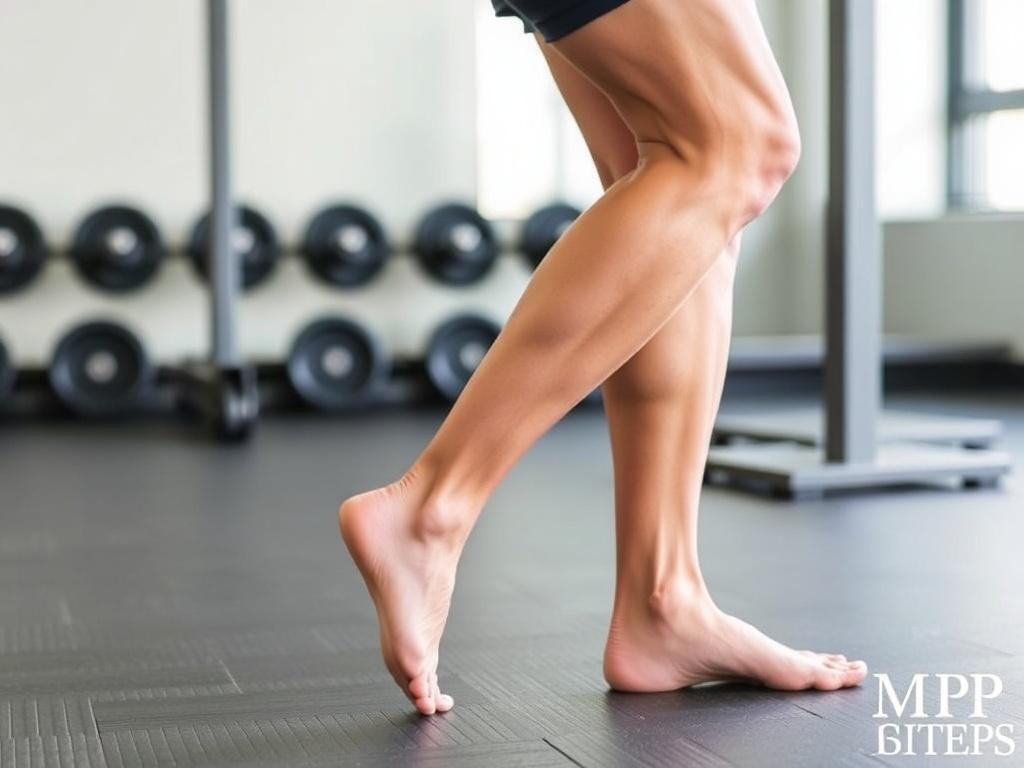
If time is scarce, two short calf sessions of 10–15 minutes each week can be highly productive. Use supersets that pair calf work with other lower-body exercises to keep workouts efficient and avoid extra gym days.
Bodyweight-only options—single-leg raises and jump rope—work surprisingly well when performed intensely and frequently. You don’t need a machine to make meaningful gains, just consistency and progressive challenge.
When to consult a professional
If you feel persistent pain in the Achilles, experience sharp spikes during training, or have a history of tendon issues, see a physiotherapist or sports medicine specialist. Calf training often improves with simple rehab cues, but some conditions require professional guidance.
A certified strength coach can also help craft a periodized plan to fit your goals, correct technique, and calibrate load progression so you avoid overuse and accelerate results.
Putting it all together: a twelve-week example plan
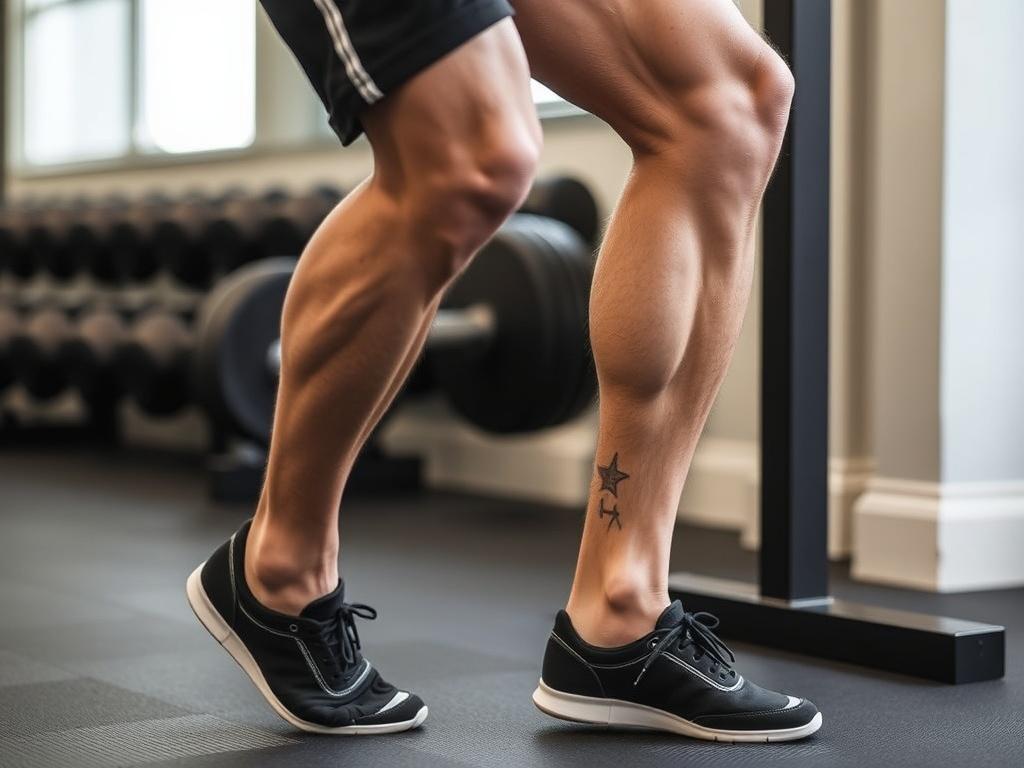
- Weeks 1–4: Build technique and volume—3 sessions per week, mix standing and seated with moderate loads.
- Weeks 5–8: Increase intensity—introduce heavier sets and single-leg overloads, maintain one volume day.
- Weeks 9–12: Combine for density—alternate heavy and high-rep days, add plyometrics and tempo variations.
Track weekly load or reps, and aim for a small but measurable increase each week. If anything causes lingering pain or decreases performance, back off and reassess technique and recovery before progressing.
Final practical checklist
Keep things simple and consistent: practice full range of motion, train calves at least twice weekly, mix heavy and high-rep work, and monitor recovery carefully. Small, steady improvements compound into meaningful changes over months.
If you’re wondering как накачать икры ног, remember the answer is systematic work, not a single secret exercise. With the right mix of stimulus, nutrition, and patience, your calves will start matching the rest of your legs.