
Everyone wants a strong midsection, whether for looks, sports, or simply to move through life without back pain. This guide strips away the noise and focuses on evidence-based, practical ab work you can do at home or in the gym. Along the way I’ll share what helped me get consistent results and what to avoid when chasing a six-pack.
Why core strength matters more than just aesthetics
A strong core improves posture, protects your lower back, and transfers force efficiently between your upper and lower body. It’s the foundation for lifting heavier, running faster, and reducing the risk of common injuries that come from poor movement patterns.
Visible abs are one thing; functional core strength is another. The muscles around your trunk stabilize your spine and pelvis during everyday tasks, and training them properly pays off in performance and comfort.
Focusing only on sit-ups and crunches often misses the point. Practical ab work trains the core to resist unwanted movement as much as it trains it to produce movement.
Core anatomy in plain language
The “abs” are a layered group: the rectus abdominis (the six-pack), the obliques (side muscles), and the deeper transverse abdominis. The erector spinae and hip muscles also contribute to core stability. Each of these muscles plays a distinct role in posture and movement.
Rectus abdominis flexes the spine, obliques rotate and resist rotation, and the transverse abdominis compresses the abdomen and stabilizes the spine. Training that targets different functions creates a balanced, resilient core.
Understanding these roles helps you choose exercises that address both appearance and function. Balance exercises that create movement with ones that resist movement for the best results.
Common myths about ab training
Myth: endless sit-ups will give you a six-pack. Reality: spot reduction is a myth—visible abs come down to overall body fat and diet as much as they do to exercise. Doing thousands of crunches doesn’t burn the fat covering the muscles.
Myth: high reps are the only way to train abs. Reality: abs respond to progressive overload like any other muscle. That means you can increase difficulty with resistances, holds, and more challenging body positions.
Myth: core training is optional if you lift heavy. Reality: even lifters need targeted core work to control spinal position under load. A weak core can limit lifting progress and increase injury risk.
Principles behind effective ab training
Train for function first. That means exercises that either resist movement (anti-rotation, anti-extension) or create controlled movement through full ranges. These actions mirror real-life demands and athletic tasks.
Progressive overload applies to the core too. Start with lower-intensity holds or fewer reps, then increase time under tension, add load, or choose harder variations. Track progress so you intentionally get stronger.
Frequency beats volume for many people. Short, consistent sessions with high-quality reps three to five times a week often work better than one long ab day per week.
The exercises that actually work
Below are exercises selected for their transfer to real-life strength and stability. They emphasize both producing and resisting movement, and they can be scaled for any level. You’ll find detailed cues for technique and how to progress each one.
Use the Russian search phrase Упражнения для пресса, которые реально работают sparingly as you research—it’s a helpful term if you’re looking for practical approaches in Russian-language sources. Keep in mind the exercises listed here are universal and backed by coaching experience and biomechanical logic.
Experiment with a mix of these movements rather than relying on a single favorite. Variety prevents plateaus and develops a core that works under different conditions.
Plank (and its meaningful variations)
The plank is an anti-extension hold that teaches the body to resist sagging at the hips and lumbar spine under load. A proper plank keeps the spine neutral and the ribs down, distributing tension through the shoulders, core, and glutes.
To progress, add time, perform side planks, lift an arm or leg, or place your feet on an unstable surface. For added resistance try the weighted plank—place a plate on your back—and maintain form first, then increase load.
Dead bug
Dead bug is an excellent beginner-to-intermediate exercise that trains core coordination and lumbar stability while moving the limbs. The goal is to keep the low back gently pressed to the floor while controlling opposite arm and leg motion.
Progress by increasing limb speed or range, adding ankle weights, or performing the exercise on a slightly inclined surface. It’s particularly useful for people with a history of low back pain because it teaches safe movement patterns.
Hanging leg raise (progressions included)
Hanging leg raises train hip flexors and lower rectus abdominis while challenging grip and shoulder stability. Start with bent-knee raises, then progress to straight-leg raises and toes-to-bar as strength and control improve.
Keep the motion controlled with a slight posterior pelvic tilt at the top to engage the abs rather than relying on momentum. If hanging is too challenging, try lying leg raises or supported captain’s chair variations.
Ab wheel rollout
Ab wheel rollouts create a powerful anti-extension demand, forcing your core to resist the spine’s tendency to arch. Start with short range of motion and knees on the ground, then extend further as strength builds.
Maintain a braced midsection and avoid letting the lower back sag. If you don’t have a wheel, a barbell with plates or a stability ball rollout provides a similar stimulus.
Pallof press (anti-rotation)
Pallof presses are one of the most effective anti-rotation moves, training the obliques and deep core to resist torque. Use a cable or resistance band and press the handle straight out from your chest, bracing through the core as you hold.
Change stance, press angle, or hold time to progress. The exercise is subtle but highly transferable to sports and daily activities that require resisting rotational forces.
Farmer’s carry and loaded carries
Loaded carries like farmer’s carries train the core in a dynamic, functional way by forcing you to stabilize while walking under load. They build grip strength, posture, and anti-lateral-flexion stability at the same time.
Walk for distance or time with dumbbells, kettlebells, or farmer’s handles. Increase weight or carry variations (single-arm suitcases, overhead carries) to challenge the core differently.
Bicycle crunch and rotational medicine ball throws
For rotational power, bicycle crunches and medicine ball throws are high-return choices. Bicycle crunches are a classic that can be effective when performed with strict form and tempo, focusing on oblique engagement rather than speed.
Medicine ball rotational throws train explosive twist strength and transfer directly to sports. Use a controlled hip rotation, not just arm movement, and vary the throws to both sides for balance.
Cable crunches and weighted variations
Cable crunches allow progressive resistance through a more natural, loaded range of motion. Kneel in front of a cable and use the torso to flex down, keeping tension throughout the movement.
Weighted decline sit-ups, weighted Russian twists, and loaded hanging leg raises are similar ways to increase the training stimulus. The key is maintaining form as load increases.
Exercise comparison table
This table highlights equipment needs, primary function, and difficulty for quick reference. Use it to select movements that fit your goals and available gear.
| Exercise | Primary function | Equipment | Difficulty |
|---|---|---|---|
| Plank | Anti-extension, stability | None | Beginner–Intermediate |
| Dead bug | Coordination, lumbar control | None | Beginner |
| Hanging leg raise | Hip flexion, lower abs | Pull-up bar | Intermediate–Advanced |
| Ab wheel rollout | Anti-extension, rectus | Ab wheel/barbell | Intermediate–Advanced |
| Pallof press | Anti-rotation | Band/cable | Beginner–Advanced |
| Farmer’s carry | Loaded stabilization | Dumbbells/kettlebells | Beginner–Advanced |
How to program your ab work
Programming should match your overall training. If you lift heavy three times weekly, add short 5–10 minute core sessions at the end. If you prefer daily practice, keep sessions brief and focused to avoid fatigue that impacts other training.
Start with two to four ab exercises per session. Combine a stability hold, a resisting movement, and a dynamic exercise for a well-rounded stimulus. Keep total weekly volume moderate and increase slowly.
Track progression through longer hold times, more reps with strict control, heavier loads, or harder variations. Avoid chasing arbitrary rep counts; prioritize quality over quantity.
Sample beginner routine
Perform this 3 times per week on non-consecutive days. Start with controlled movement and focus on breathing and posture before adding complexity.
- Dead bug — 3 sets of 8–12 reps per side
- Plank — 3 sets of 20–45 seconds
- Pallof press — 3 sets of 8–10 reps per side
- Farmer’s carry — 3 rounds of 30–60 seconds
Rest 30–60 seconds between sets and progress by adding 5–10 seconds to planks or 1–2 reps to other exercises each week. Small increases compound into meaningful strength gains.
Sample intermediate routine
For lifters who already have basic stability. Perform 2–4 sessions per week depending on overall training load. Emphasize control under load.
- Hanging knee/leg raises — 3 sets of 8–15 reps
- Ab wheel rollouts — 3 sets of 6–12 reps
- Pallof press (heavy) — 3 sets of 6–8 reps per side
- Farmer’s carry (heavier) — 4 rounds of 40–90 seconds
Introduce supersets if short on time, such as pairing rollouts with Pallof presses. Keep technical standards high and reduce load if you can’t maintain perfect form.
Sample advanced routine
Advanced trainees can handle higher intensity and mixed modalities. Train the core 3–5 times per week, adjusting intensity to match recovery and other training priorities.
- Toes-to-bar or straight-leg raises — 4 sets of 8–12 reps
- Weighted decline sit-ups or cable crunches — 4 sets of 8–12 reps
- Rotational medicine ball throws — 4 sets of 6–8 explosive reps per side
- Farmer’s carries or suitcase carries — 4 rounds heavy, timed
Periodize intensity across weeks—rotate heavier strength-oriented phases with lighter, higher-rep or stability-focused phases to avoid overuse.
Technique tips and common mistakes
Poor technique often comes from rushing or stabilizing with the wrong muscles. Focus on slow, controlled movements and prioritize spinal neutrality before adding load. That single habit prevents many recurring issues.
Common mistakes include cheating with momentum, letting the hips sag in planks, and using the neck to pull during crunches. Tight hip flexors and weak glutes can also hijack ab work, so address those with targeted mobility and activation exercises.
- Cheating with momentum—slow reps, control on the way back.
- Holding breath—breathe steadily to maintain bracing and avoid unnecessary pressure spikes.
- Neglecting glute and posterior chain—train the whole trunk and hips for balance.
Reset technique frequently by filming a set or training with a coach. Small corrections in position and cueing can significantly improve results and reduce pain.
Breathing, tempo, and tension
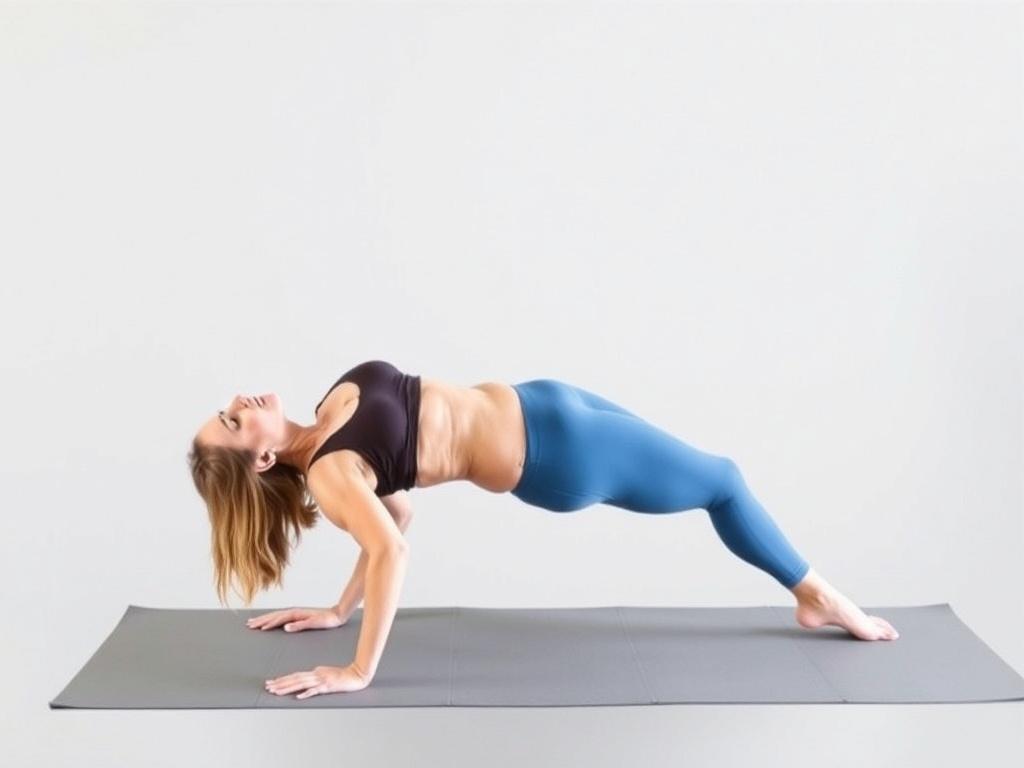
Effective core training uses bracing rather than shallow, breath-holding tension. Take a diaphragmatic breath, exhale slightly, and brace as if you expect a light punch to the stomach. This creates stable intra-abdominal pressure without risking excessive Valsalva strain.
Tempo matters: slow eccentrics (the lengthening phase) and controlled isometrics build endurance and strength, while faster concentrics develop power. Vary tempo depending on the goal—strength, endurance, or explosiveness.
Time under tension is often more impactful than high rep counts. A 30-second strict plank or slow, controlled rollouts provide a much stronger stimulus than flurries of sloppy crunches.
Nutrition and body fat: the visibility factor
Visible abs require a combination of muscle development and a low enough body-fat percentage to reveal muscle definition. That means nutrition and overall energy balance play an equal or larger role than exercise alone. Track food intake sensibly and prioritize protein for muscle maintenance.
Calorie deficit is necessary for fat loss, but extreme diets are unsustainable. Aim for a moderate deficit with strength training to preserve muscle and a balanced diet that supports recovery and daily life.
Consistency wins. A realistic eating plan combined with a progressive core program and full-body training is the steady path to visible, functioning abs.
Integrating abs into full workouts
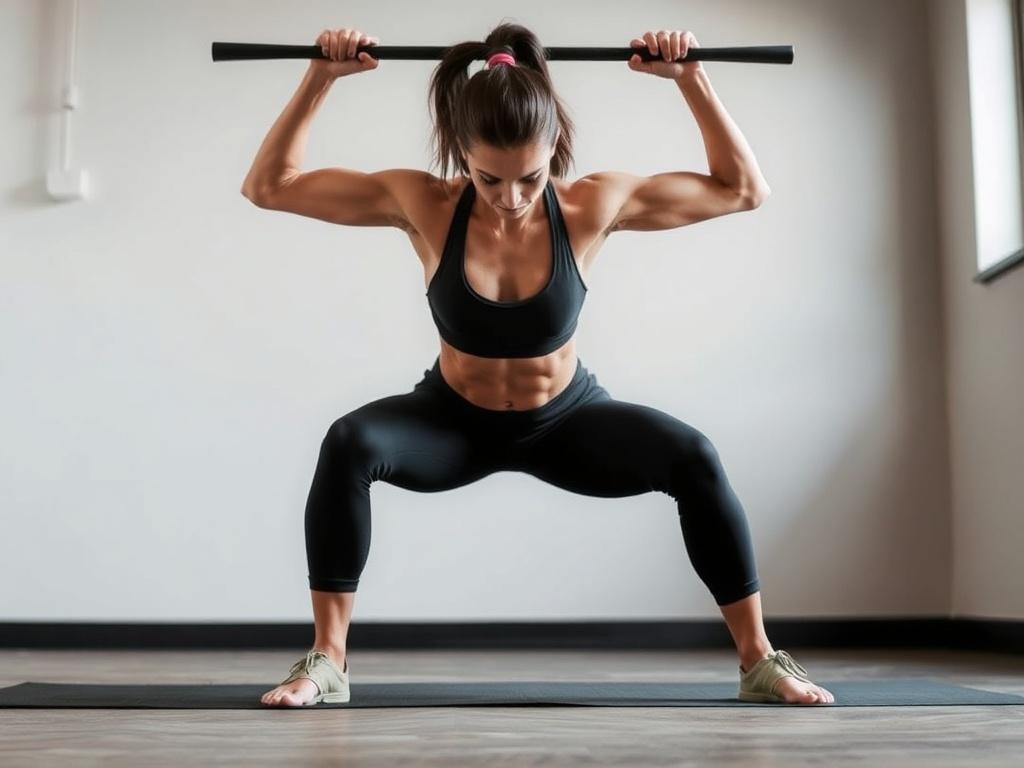
Core work complements compound lifts and should not be an afterthought. Perform heavy compound lifts early in a session and follow with targeted core work to avoid pre-fatiguing stabilizers you need for big lifts.
Alternatively, do short core sessions on off-days or after cardio. If time is limited, pick two effective exercises from the routines above and complete them in 10 minutes with high quality.
Prioritize movement patterns over isolated aesthetics when designing your weekly plan. A resilient core improves lifts—and better lifts improve overall body composition faster than endless isolation work.
Progression and tracking
Track hold times, reps with perfect form, and weights used for loaded variations. Keep a simple training log and aim for steady, measurable improvements every week or every other week. Small, consistent gains add up quickly.
If progress stalls, change a variable: tempo, load, frequency, or exercise selection. Sometimes the answer is more recovery rather than more work, especially if technique degrades under fatigue.
Use subjective markers like reduced lower-back discomfort during daily tasks and better posture as valid signs of progress beyond numbers on a log.
Recovery and safety
Ab muscles recover like other muscles—sufficient sleep, nutrition, and spacing between intense sessions matter. If you do daily short core work, alternate intensity and include mobility-focused days to reduce the risk of overuse.
Watch for persistent pain that changes with movement or position; that’s a sign to reduce intensity and consult a medical or movement professional. Sharp, radiating pain is not a normal training response and should prompt evaluation.
Keep stretching and foam rolling as part of your routine to manage tight hip flexors and lower-back tension that can interfere with proper core activation.
Variations for different populations
Beginners, older adults, and people with back histories need gentler progressions—focus on dead bugs, reclined marches, and shorter planks before advancing. These movements build coordination and control without excessive spinal load.
Athletes should incorporate more rotational and loaded anti-rotation work to match sport demands. Older trainees benefit from loaded carries and bracing exercises that improve balance and daily function.
Pregnant and postpartum training requires special consideration. After medical clearance, start with gentle core re-education and progress slowly; a qualified coach or physical therapist can provide individualized cues and safe progressions.
Equipment cheats and home-friendly substitutes
You don’t need a gym for effective core training. A stability ball, resistance band, dumbbell, or even a towel can create meaningful variation. Ab wheels and suspension straps are inexpensive tools that scale difficulty quickly.
If you lack a pull-up bar for hanging leg raises, use lying leg raises or place your hands under your hips for support. For Pallof presses, loop a band around a sturdy post or door anchor to mimic cable resistance.
Use household items like filled backpacks for loaded carries or weighted sit-ups in a pinch. The principle is the same: progressive, controlled loading applied consistently.
A 10-minute daily routine you can actually do
This circuit takes about 10 minutes and covers stabilization, anti-rotation, and dynamic control. Do it daily on non-leg days or as a morning practice to build daily consistency without major fatigue.
- Plank — 45 seconds
- Dead bug — 8 reps per side
- Pallof press — 8 reps per side
- Farmer’s carry — 60 seconds
- Ab wheel or modified rollout — 6–10 reps
Move deliberately from one exercise to the next, resting 15–30 seconds if needed. Adjust times and reps to match your level, and add difficulty as the circuit becomes easy.
Real-life coaching and personal experience

As a coach I worked with clients who spent months on endless crunches with little progress. Switching to a balanced program—planks, anti-rotation, loaded carries, and progressive hanging raises—produced faster strength gains and less back pain. The difference was consistency and intelligent progression.
Personally, adding farmer’s carries and Pallof presses to my routine resolved a nagging hip pain that stagnated my deadlift progress. The core benefits were immediate: better posture under load and cleaner, more confident lifts.
These practical wins remind me that the best ab work is subtle, transferable, and sustainable—not flashy or high in volume for its own sake.
How long until you see results?
Strength improvements can appear in weeks with focused training, while visible changes depend on body composition and can take longer. Most people notice better posture and less lower-back discomfort within 4–8 weeks of consistent training.
Visible abs often require months and a nutrition plan that supports fat loss. Stay patient and celebrate functional wins—stronger lifts, easier movement, and fewer aches—along the way.
Regular reassessment keeps motivation high: retest plank or hanging leg raise progress every 4–6 weeks and adjust your plan accordingly.
Practical tips to stay consistent
Make ab work brief and scheduled rather than open-ended. Ten-minute sessions are less intimidating and more likely to become a habit than marathon workouts. Consistency beats intensity when building a new habit.
Pair core training with daily rituals—after your shower, before dinner, or immediately after your main workout. Small, repeatable anchors increase adherence and turn training into routine rather than a chore.
Use variety but keep a backbone of staple exercises you progress slowly. This mix keeps boredom at bay while ensuring steady gains.
Where people typically stall and how to get unstuck
Plateaus are usually a symptom of insufficient progressive overload, poor nutrition, or too much low-quality volume. If progress halts, simplify: reduce reps, improve form, then add load or complexity intentionally.
Another common stall is neglecting recovery. If sessions feel increasingly difficult and performance dips, add a deload week of lighter volume and mobility work. Recovery often unlocks progress faster than adding more work.
Finally, get objective feedback—video your sets or consult a coach. Sometimes a tiny tweak in positioning or breathing is all that’s needed to break through a plateau.
Summing up the path forward
Effective core training combines functional variety, progressive overload, and consistent practice. Choose exercises that train both resisting and producing movement, progress them logically, and pair training with sensible nutrition to reveal results.
Remember that visible abs are as much about body fat and lifestyle as they are about exercise. Focus first on building a core that performs well—appearance will follow if that’s your goal.
If you want a quick starting plan tailored to your current level, pick two stability exercises, one loaded anti-rotation, and one dynamic movement, and follow the beginner routine for six weeks. Small, consistent steps lead to real, lasting improvements.