

Circuit training can feel like a small, efficient revolution in your weekly calendar: short segments of intense work, little rest, and workouts that leave you breathing hard and satisfied. When planned well, these sessions torch calories, preserve or build muscle, and translate into sustained fat loss without living in the gym.
If you’ve ever searched the phrase Круговая тренировка для сжигания жира you probably encountered dozens of templates and miracle promises. What matters less is the label and more is the logic: how you structure intensity, recovery, and progression to create an honest, sustainable plan that fits your life.
Why circuit training is an effective approach for fat loss
Circuit training mixes strength and cardiovascular work in a single workout, which raises heart rate and recruits large muscle groups repeatedly. This combination increases immediate calorie burn and elevates post-exercise oxygen consumption (EPOC), meaning you continue to burn more energy for hours after the session.
Beyond calories, circuits emphasize movement variety. Alternating lower- and upper-body exercises keeps you working while one muscle group recovers, so sessions stay dense and productive. That density—lots of work in a short time—translates directly into more energy expended per minute compared with steady-state cardio.
Finally, circuits are flexible. You can scale them to any fitness level, swap equipment in and out, or fit them into 20 minutes on a busy day. That modular quality helps people stick with a routine long enough to see measurable fat-loss results.
The physiology: how the body responds to circuit work
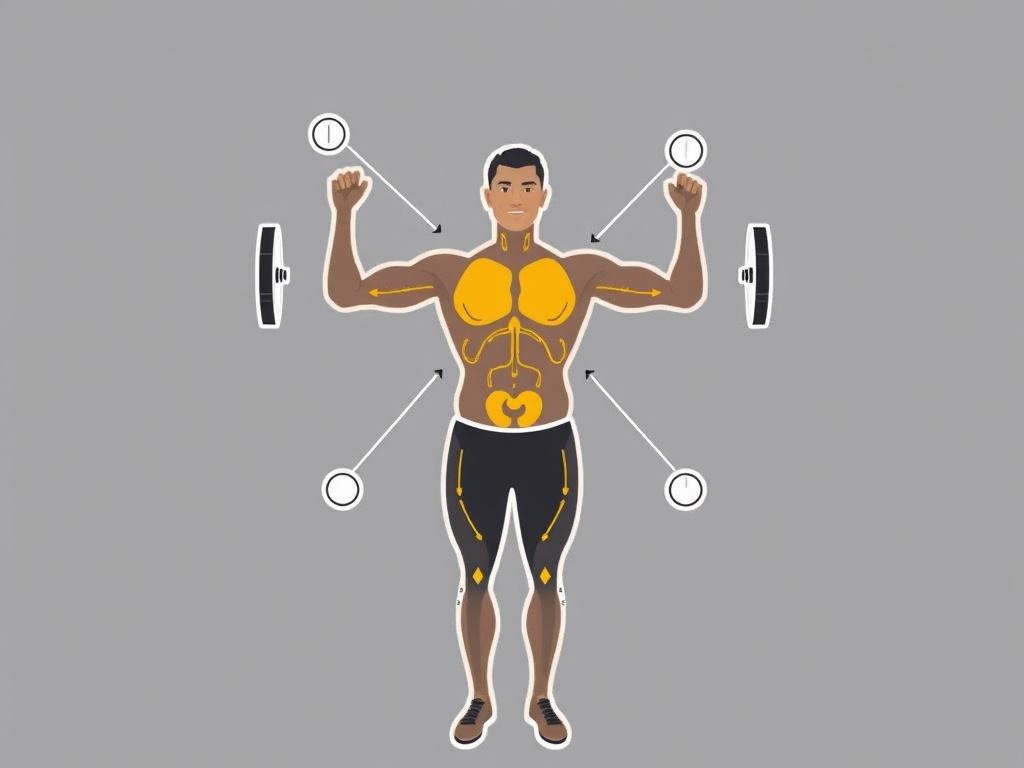
When you perform repeated, high-effort intervals with minimal rest, the body taps into more glycogen and fatty acids than during easy activity. Intensity shifts metabolism toward greater carbohydrate use in-session, while recovery phases increase fat oxidation as hormones and enzymes rebalance.
Muscle retention is another important physiological benefit. Circuit sessions that include resistance work stimulate muscle protein synthesis and blunt the muscle loss that often accompanies dieting. Maintaining lean mass keeps your resting metabolic rate higher over time, supporting sustained fat loss.
Hormonal responses matter too. Short bursts of high effort raise catecholamines and growth-related hormones, which can enhance fat mobilization and energy expenditure. Those hormonal spikes are part of what makes circuit-style workouts more potent than a long walk for many people.
Core design principles for effective circuits
Start with clear goals. Are you prioritizing maximal calorie burn, muscular strength, conditioning, or a balance of all three? That goal determines exercise choices, work/rest ratios, and session length. Clarity prevents random, ineffective training sessions.
Intensity and density are twin levers. Intensity refers to how hard each interval is; density refers to how much work you pack into a given time. You can increase overall training stimulus by raising intensity, reducing rest, or adding more rounds—carefully, and not all at once.
Exercise selection should favor compound movements—squats, deadlifts, rows, presses, splits, and loaded carries. These recruit the most muscle at once, producing greater metabolic demand and better functional carryover outside the gym.
Common circuit formats and when to use them
There are several useful templates: timed stations (e.g., 45 seconds work / 15 seconds rest), AMRAPs (as many rounds as possible in a set time), and EMOMs (every minute on the minute). Each has a different tactical benefit for fat loss and conditioning.
Timed stations are great for beginners and group classes because they set a predictable rhythm. AMRAPs raise competitiveness and push pacing, which can be excellent for advancing conditioning. EMOMs are useful for technical lifts where you need consistent effort and focused recovery.
Choose a format that matches your goals and temperament. If you enjoy tracking reps and beating previous scores, AMRAPs provide measurable progress. If you prefer structure and steady pacing, timed circuits may feel more sustainable.
Warm-up essentials before any circuit
A focused warm-up primes the nervous system and increases blood flow to muscles, reducing injury risk and improving performance. Skip long, passive stretching; instead build dynamic movement that mimics your circuit exercises.
Begin with general aerobic activation—3 to 5 minutes of brisk walking, light cycling, or a jump-rope cadence. Follow with mobility drills for hips, shoulders, and thoracic spine, then progress into movement-specific activations such as bodyweight squats, lunges, push-ups, and band rows.
Finish the warm-up with one or two practice sets at lower intensity for the first compound exercise of your circuit. That brief rehearsal sharpens technique and helps you hit the target intensity when the clock starts.
Safety, form, and how to progress without plateauing
Quality movement beats quantity. Performing more reps with sloppy form increases injury risk and reduces long-term effectiveness. If form breaks down during a circuit, reduce load or switch to a safer variant rather than pushing bad reps.
Progression follows three main routes: add load, increase density, or extend total work time. Rotate these strategies rather than escalating all at once. For example, add weight to a kettlebell swing every other week while keeping rounds constant, and only reduce rest after two or three successful sessions.
Recovery is part of progression. If performance consistently declines or you feel persistent soreness, regress intensity and prioritize sleep, nutrition, and mobility for a week to reset the system.
Minimal equipment options and at-home alternatives
You don’t need a fully stocked gym to get effective circuits. A few simple implements unlock a wide variety of movements: a set of dumbbells or a kettlebell, a resistance band, and a jump rope are extremely versatile.
Bodyweight circuits work well for beginners or travel days. Squats, lunges, push-ups, glute bridges, plank variations, and mountain climbers can be paired into efficient circuits with no equipment at all. Add tempo changes and shorter rest intervals to increase intensity.
For intermediate exercisers, single dumbbell or kettlebell circuits add load and unilateral challenges. If you have a barbell and safe space, incorporate deadlifts or front squats into one longer circuit. The best equipment is whatever you will actually use consistently.
Sample circuits for every level
Below are three scalable circuits—beginner, intermediate, and advanced—designed for fat loss and balance between strength and conditioning. Each circuit can be repeated for 3 to 5 rounds depending on time and fitness.
For beginners, prioritize movement quality and consistent pacing. Intermediate lifters should push higher intensity and shorter rest. Advanced athletes can add loading, plyometrics, or tempo manipulation to increase stimulus.
| Level | Format | Exercises (rotate through) | Work/rest |
|---|---|---|---|
| Beginner | Timed stations | Bodyweight squat, incline push-up, standing row with band, reverse lunge, plank | 40s work / 20s rest — 3 rounds |
| Intermediate | AMRAP (20 min) | Kettlebell swing x15, dumbbell goblet squat x12, push-up x10, bent-over row x12 | AMRAP for 20 minutes, rest as needed between rounds |
| Advanced | EMOM (30 min) | Minute 1: Barbell front squats x6; Minute 2: Pull-ups x8; Minute 3: Kettlebell snatches x12 (6/side); Minute 4: Burpees x10; Repeat | EMOM for 30 minutes |
Modify reps, load, or rounds based on how you feel. If you can breeze through an entire circuit without challenge, up weight or reduce rest on the next session.
Exercise descriptions and technique tips
Squat: Sit back into your hips, keep chest proud, and drive through the heels. For higher intensity, use a goblet or front-load to maintain upright torso and engage core under load.
Push-up: Maintain a straight line from head to heels, brace core, and touch chest toward the ground. If full push-ups are too hard during a circuit, perform incline push-ups to keep pacing up without losing form.
Kettlebell swing: Hinge at the hips, snap the hips forward, and let the kettlebell float to chest height. Avoid squatting the swing; it’s a hip-dominant power movement that taxes posterior chain and cardiovascular system heavily.
Structuring a weekly plan that fits real life
Consistency beats intensity in the long run. Aim for 3 circuit sessions per week if fat loss is the goal; pair them with one or two easy recovery activities like walking or yoga. This frequency balances stimulus and recovery for most people.
Sample week: Monday—full-body circuit; Tuesday—light mobility and walk; Wednesday—short metabolic circuit; Thursday—rest or active recovery; Friday—strength-focused circuit; Saturday—long walk or fun activity; Sunday—rest. Adjust based on schedule and recovery.
Periodize across weeks: every three to four weeks reduce volume by 20–30 percent for a recovery week. This prevents stagnation and supports long-term performance gains, which compound into more efficient fat loss over months.
Eight-week progression plan for steady results

Progress slowly and deliberately. Week 1–2 should focus on learning movements and building a baseline of work. Weeks 3–4 increase rounds or reduce rest slightly. Weeks 5–6 add load or extra intervals. Week 7 increases density, and week 8 is a deload with lighter effort but maintained frequency.
- Weeks 1–2: 3 circuits / week, 3 rounds each, moderate intensity.
- Weeks 3–4: Increase to 4 rounds or reduce rest by 10–20 seconds.
- Weeks 5–6: Add weight to compound movements and emphasize power (swings, jumps).
- Week 7: Peak density—shortest rest, highest intensity with safe technique.
- Week 8: Deload—reduce volume by 30–40% to recover and consolidate gains.
Track performance metrics such as rounds completed, reps per exercise, or average heart rate. Those objective measures show progression better than scale weight alone.
Nutrition strategies to support fat loss with circuits
Training is the stimulus; nutrition provides the raw materials and caloric context. To lose fat, you generally need a modest calorie deficit—around 250–500 calories below maintenance—with enough protein to preserve muscle mass.
Protein targets of 0.7–1.0 grams per pound of body weight support muscle retention and satiety. Distribute protein evenly across meals to maximize muscle protein synthesis and appetite control. Prioritize whole foods: lean proteins, vegetables, whole grains, and healthy fats.
Timing matters less than total intake, but practical timing helps. Consuming a modest protein and carbohydrate meal 60–120 minutes before a circuit supplies usable energy. A post-workout meal with protein and some carbs aids recovery and glycogen replenishment for your next session.
Hydration, sleep, and recovery: the invisible work
Hydration affects performance and perceived exertion. Aim to sip water throughout the day and replace electrolytes if you sweat heavily during workouts. Small deficits in hydration can make workouts feel harder and reduce training quality.
Sleep is non-negotiable for fat loss and recovery. Poor sleep increases hunger hormones, blunts performance, and reduces motivation to train. Prioritize 7–9 hours per night, and treat sleep as part of your training plan.
Active recovery—walking, foam rolling, mobility routines—keeps blood flowing and helps reduce soreness. Schedule at least one full day of rest each week to allow CNS recovery and reduce injury risk, especially during high-density periods.
How to measure progress beyond the scale
The scale is an incomplete metric. Better indicators include changes in body composition, strength numbers, how clothes fit, energy levels, and consistency of workouts. Use multiple measures for a clearer picture of progress.
Weekly check-ins with simple tests work well: a photo check, waist measurement, a short performance test (e.g., number of rounds in a 12-minute circuit), and subjective energy and mood ratings. These data points create a trend rather than a single-day fluctuation.
If fat loss stalls, first audit nutrition and sleep before dramatically increasing training volume. Small, sustainable adjustments in diet or recovery often unlock progress without risking overtraining.
Common mistakes people make with circuit training
One frequent error is chasing intensity every session. Training at maximal effort daily leads to burnout and injury. Mix hard sessions with lighter ones and respect recovery cues such as persistent fatigue and poor sleep.
Another mistake is neglecting strength. Purely metabolic circuits without progressive resistance can shrink muscle over time when combined with calorie restriction. Include compound lifting or loaded circuits 1–2 times weekly to preserve muscle mass.
Finally, many people change programs too quickly. Give a new structure three to six weeks to produce adaptations before switching. Frequent program hopping prevents the meaningful physiological changes that create lasting fat loss.
Modifications for specific populations
Older adults: focus on joint-friendly progressions, slower tempos, and emphasis on balance and mobility. Reduce plyometrics and high-impact work unless you have a solid training base and no contraindications.
Pregnancy: prioritize core stability, avoid supine work after the first trimester, and avoid maximal-intensity efforts that create symptoms like dizziness or breathlessness. Always consult a healthcare professional before starting or continuing exercise in pregnancy.
Injury or rehabilitation: substitute pain-provoking movements with alternatives that target the same muscle groups. Consult a physical therapist when returning from injury to rebuild resilience safely through progressive loading and movement quality work.
Blending circuit training with other training modalities
Circuit training plays well with strength-focused lifting days, endurance work, and mobility sessions. If maximal strength is a priority, schedule heavy barbell sessions separate from high-density circuits to avoid compromising technical lifts with fatigue.
If you enjoy longer cardio sessions like cycling or running, use circuits as high-quality cross-training that preserves muscle and improves power. Short circuits can also serve as conditioning for sport-specific performance without the monotony of long steady-state work.
Pairing with yoga or flexibility work after circuits helps restore mobility and mitigate stiffness. Think of circuits as the energetic core of a diversified fitness program, not the entire program unless time constraints demand it.
Sample two-week microcycle for busy schedules
This compact plan fits people juggling work and family while still providing consistent stimulus. It balances intensity and recovery with three circuit sessions and light active recovery days.
Week A: Monday—30-minute strength circuit; Wednesday—20-minute metabolic AMRAP; Friday—30-minute mixed EMOM. Add Sunday 30–45 minute walk for active recovery.
Week B: Monday—short HIIT circuit (20 minutes), Wednesday—mobility and core, Friday—longer strength circuit (40 minutes). Repeat the two-week rotation, increasing one metric (rounds, load, or reduced rest) every third cycle.
Real-life example: how I used circuits to lose 15 pounds without living at the gym
When I needed to drop body fat for a summer project, I relied on three weekly circuits, consistent protein intake, and daily walks. I avoided dramatic calorie cuts and did not spend hours on the treadmill. Instead, I focused on progressive resistance and slightly increasing circuit density every two weeks.
After eight weeks I lost about 15 pounds, but more importantly I gained energy and held onto most of my strength. The small, repeatable habit of a 30–40 minute circuit three times a week fit my schedule and was sustainable for months beyond the initial weight loss.
That experience taught me that realistic programming, not maximal training volume, is what produces long-term changes. The circuit format made intense work feel manageable and even enjoyable because it varied and kept me engaged.
Frequently asked questions about circuit training for fat loss

How many times per week should I do circuits? For most people aiming for fat loss, three sessions per week with two lower-intensity days is a practical and effective pattern. Increase frequency only when recovery is solid.
Will circuits make me bulky? Circuit training combined with a calorie deficit and modest protein intake is unlikely to create unwanted bulk. Instead, it helps preserve lean mass while accelerating fat loss, often improving muscle tone.
Can older beginners do circuits? Yes—when exercises are scaled appropriately. Start with bodyweight or light resistance, prioritize balance and mobility, and build density gradually to reduce joint stress and allow adaptation.
Putting it all together: a checklist before you start
Decide on a primary goal: fat loss, strength preservation, or conditioning. That decision guides session setup, exercise choices, and whether you emphasize more resistance or more metabolic work.
Create a simple weekly template that you can repeat. Commit to at least six weeks. Track one or two objective metrics each week (rounds completed, reps per exercise, or weight used) and a subjective energy score to gauge progress.
Plan recovery: schedule sleep, hydration, and at least one recovery day. Use sensible progression—tweak one variable at a time and avoid chasing quick fixes. Consistency plus thoughtful progression yields the best, longest-lasting results.
When you design your next training block, think like an engineer: balance load, rest, and progression while keeping the plan enjoyable enough to follow. Circuit work offers a potent, flexible route to fat loss when applied intelligently, with attention to technique and recovery. Start small, build deliberately, and you’ll find the rhythm that turns short, intense sessions into lasting change.