
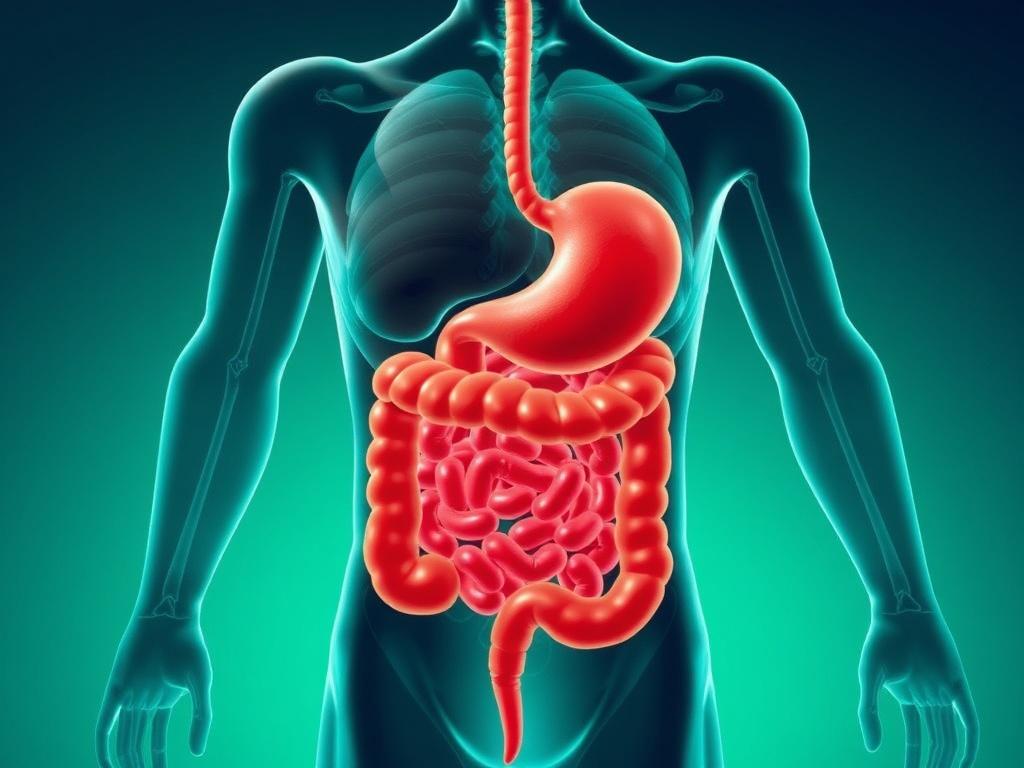
The intersection of supplements and digestion is where performance goals and everyday biology collide. Athletes and gym-goers often focus on macros, timing, and labels while overlooking how their gastrointestinal tract actually handles the products they rely on. This article takes a close, practical look at that junction—what happens when sports nutrition meets your gut, why problems occur, and how to choose and use supplements so they support training rather than sabotage it.
Understanding the gastrointestinal system in practical terms
The digestive tract is not a passive tube; it’s a dynamic, responsive system that senses nutrients, microbes, and chemicals and reacts accordingly. From the mouth to the colon, motility patterns, fluid secretion, enzymes, and the gut microbiome determine how a given supplement is processed and tolerated.
Stomach emptying rate, for example, controls how quickly a drink or meal moves into the small intestine where most absorption occurs. Factors like the calorie content, osmolality (concentration of particles), and physical form (solid vs. liquid) change that rate considerably.
Enzymes and transporters in the small intestine handle sugars, amino acids, and fatty acids differently; an overload of a particular substrate can overwhelm transporters or ferment in the colon, leading to symptoms. Meanwhile, the colon’s bacterial community ferments unabsorbed compounds, and that fermentation can produce gas and short-chain fatty acids—some beneficial, some uncomfortable.
How sports supplements typically interact with digestion
Supplements fall into broad categories—protein powders, carbohydrate drinks, stimulants, electrolytes, amino acids, and probiotics—and each behaves differently in the gut. Liquids usually empty faster than solids, so a ready-made sports drink may hit your system sooner than a protein bar, but that speed has pros and cons.
Concentration matters. A highly concentrated protein shake or a hypertonic carbohydrate drink can draw water into the intestine or delay gastric emptying, producing nausea or cramping in sensitive people. Conversely, isotonic solutions tend to be gentler and are often better tolerated during exercise.
Finally, additives such as artificial sweeteners, sugar alcohols, and thickening agents commonly used in sports nutrition can provoke digestive symptoms in some individuals. Understanding ingredient lists is therefore as important as knowing macronutrient content.
Protein supplements: digestion, tolerance, and smart choices
Protein powders are among the most commonly used products and for good reason: convenient, concentrated amino acids that support recovery and muscle growth. But the type of protein—whey concentrate, whey isolate, casein, soy, pea, or other plant blends—affects digestibility, absorption rate, and potential for gastrointestinal upset.
Whey isolate generally contains less lactose and fewer non-protein components than concentrate, which often makes it easier to tolerate for those with mild lactose sensitivity. Casein digests more slowly and can feel heavier in the stomach, which some athletes prefer overnight but might find uncomfortable before training.
Plant proteins have improved in flavor and profile, yet they sometimes contain more fiber or non-digestible oligosaccharides that ferment in the colon and cause gas. If you routinely experience bloating after protein shakes, try an elimination or switch to a different protein type for a few weeks to see if symptoms abate.
Carbohydrate strategies: types, osmolality, and exercise context
Carbohydrate intake during prolonged exercise fuels performance and spares muscle glycogen, but the form and concentration of carbohydrates influence gastrointestinal comfort. Simple sugars like glucose and sucrose absorb quickly, while fructose uses different transporters and may be absorbed less efficiently when taken alone in large amounts.
Combining glucose and fructose in a roughly 2:1 ratio can increase total carbohydrate absorption because the sugars use separate intestinal transporters. Many sports drinks and gels exploit this principle, which is especially useful for endurance athletes covering many hours.
Be aware of osmolality. A hypertonic gel or powdered drink mix can pull water into the intestine if not diluted properly, producing cramping or diarrhea. During exercise, favor isotonic or slightly hypotonic solutions and practice your race-day nutrition during training to build tolerance.
Stimulants, pre-workouts, and the acid test
Pre-workout supplements often contain caffeine, beta-alanine, nitrates, and various herbal extracts. Caffeine stimulates the central nervous system and can increase performance, but it can also raise gastric acid secretion and speed intestinal transit, which triggers reflux or urgency in some people.
Beta-alanine commonly causes paresthesia—tingling—that’s harmless but disconcerting. Less obvious are ingredients like niacin that can induce flushing and sometimes GI discomfort. Proprietary blends make it hard to know exact dosages, so start with half a serving to gauge tolerance, especially before a competition.
Liquid pre-workouts tend to hit faster and may upset the stomach more than a capsule or a smaller portion of powder mixed in ample water. If you get heartburn or nausea after pre-workouts, consider timing, reducing dose, or switching to single-ingredient caffeine sources like coffee or caffeine pills with known dosages.
Electrolytes, hydration, and intestinal function
Electrolyte solutions replace sodium, potassium, and other minerals lost in sweat and influence water movement across intestinal membranes. Drinks with adequate sodium promote fluid absorption in the small intestine, which helps maintain blood volume and performance during long sessions.
Too little sodium in a high-volume drink may not support absorption effectively, while too much can taste unpleasant and delay gastric emptying. For events lasting longer than an hour, aim for products designed for endurance use or add a modest pinch of salt to homemade solutions.
Keep in mind that sodium needs vary with sweat rate and environmental conditions. Athletes in hot climates or heavy sweaters benefit from tailored electrolyte strategies, and they should test different concentrations during training to find what their gut tolerates.
Fiber, bars, and the timing dilemma
Many athletes use energy bars and whole-food items for convenience, but fiber content can be a double-edged sword. Insoluble fiber speeds transit and can cause loose stools, while soluble fiber ferments in the colon and may produce gas and bloating during exercise.
As a rule, avoid high-fiber foods in the 24 hours before heavy training or competition, particularly if you are prone to GI distress. Opt for low-fiber, easily digestible options on race day and reserve fiber-rich foods for recovery periods when the gut has time to process them comfortably.
Manufacturers often vary fiber content widely, so read labels carefully. If you need portable fuel and dislike processed gels, choose low-fiber bars designed for athletes or use simple rice cakes, bananas, or white bread when you need something reliable and mild.
Probiotics, digestive enzymes, and supporting gut resilience
Probiotics have gained attention for maintaining gut microbial balance and potentially reducing diarrhea in travelers and military personnel. For athletes, certain strains show promise in reducing upper respiratory infections and possibly mitigating GI symptoms, though evidence is mixed and strain-specific.
Digestive enzyme supplements—for lactase, alpha-galactosidase, or broad-spectrum enzyme blends—can help people digest troublesome components like lactose or complex oligosaccharides. These are practical, targeted tools when you want to enjoy a wider variety of foods without symptoms.
If you have chronic GI issues, working with a dietitian who understands sports nutrition can help you try evidence-based probiotic strains and enzyme supports in a controlled way. Self-directed trials are possible, but tracking symptoms and context improves the chance of finding something that truly helps.
Artificial sweeteners and sugar alcohols: hidden triggers
Many low-calorie sports products rely on artificial sweeteners and sugar alcohols to reduce calories while keeping flavor. These compounds vary in how they’re absorbed and fermented; some pass into the colon where bacteria metabolize them, producing gas and laxative effects in sensitive people.
Sorbitol, mannitol, and high doses of xylitol or erythritol can cause bloating or diarrhea. Even non-caloric sweeteners like sucralose may alter intestinal microbiota in some individuals, though human evidence is less clear than animal data. If a product consistently provokes symptoms, check the sweetener list and try an unsweetened or differently sweetened alternative.
A practical test is to use a single-serving product and monitor symptoms over the next 24 hours. If you tolerate it, you can use it cautiously in exercise. If symptoms emerge, try a product sweetened with a different compound or switch to natural alternatives like a small amount of honey when appropriate.
Common gastrointestinal symptoms and what they usually mean
Diarrhea during exercise often reflects rapid transit and unabsorbed carbohydrates in the colon, combined with reduced intestinal blood flow during intense activity. Heat, dehydration, and certain medications can exacerbate the condition. Strategies to reduce exercise-associated diarrhea include reducing fiber, using a mix of glucose and fructose, and practicing nutrition during training.
Bloating and gas usually indicate fermentation of undigested carbohydrates in the colon. Look for sugar alcohols, excess fructose, or poorly absorbed fibers as culprits. Keeping a food-and-symptom diary for a week can reveal patterns and identify specific triggers tied to certain supplements or foods.
Heartburn or reflux can be aggravated by caffeine, large pre-exercise meals, or high-fat foods that slow gastric emptying. Smaller liquid meals with moderate carbohydrates and minimal fat typically sit better before workouts and reduce the risk of acid reflux during exercise.
Special considerations for endurance athletes
Endurance sports magnify gastrointestinal challenges because prolonged exercise reduces intestinal blood flow and increases permeability in some people. This can allow bacterial components and other molecules into the circulation, which may worsen symptoms and performance if nutrition is not managed carefully.
Training the gut—gradually increasing carbohydrate intake during long sessions—improves absorptive capacity and tolerance. Many successful endurance athletes practice race-day fueling in training to teach their gut to handle the necessary volume and rate of carbohydrate intake.
Another technique is to use lower-concentration drinks during competition and supplement with gels or chews that are swallowed with sips of water. This approach balances carbohydrate intake with osmotic load and helps maintain intestinal comfort over many hours.
Considerations for weight-class and aesthetic athletes
Athletes in weight-class sports or those aiming to change body composition often use intense caloric strategies and supplements that can affect digestion. Rapid weight loss methods, dehydration, and altered meal timing push the gut outside its comfort zone and can lead to constipation or diarrhea.
Protein supplements may be used to preserve lean mass while caloric intake is low, but the gut tolerates these best when spaced across the day rather than concentrated in massive shakes. Smaller, more frequent meals or shakes with moderate liquid volume tend to be gentler on the stomach.
When athletes manipulate fiber, sodium, and fluid for short-term weight changes, they should be aware of how these shifts affect bowel function. Trying extreme strategies without prior testing often leads to unpleasant surprises on competition day.
How medication and medical conditions change the rules
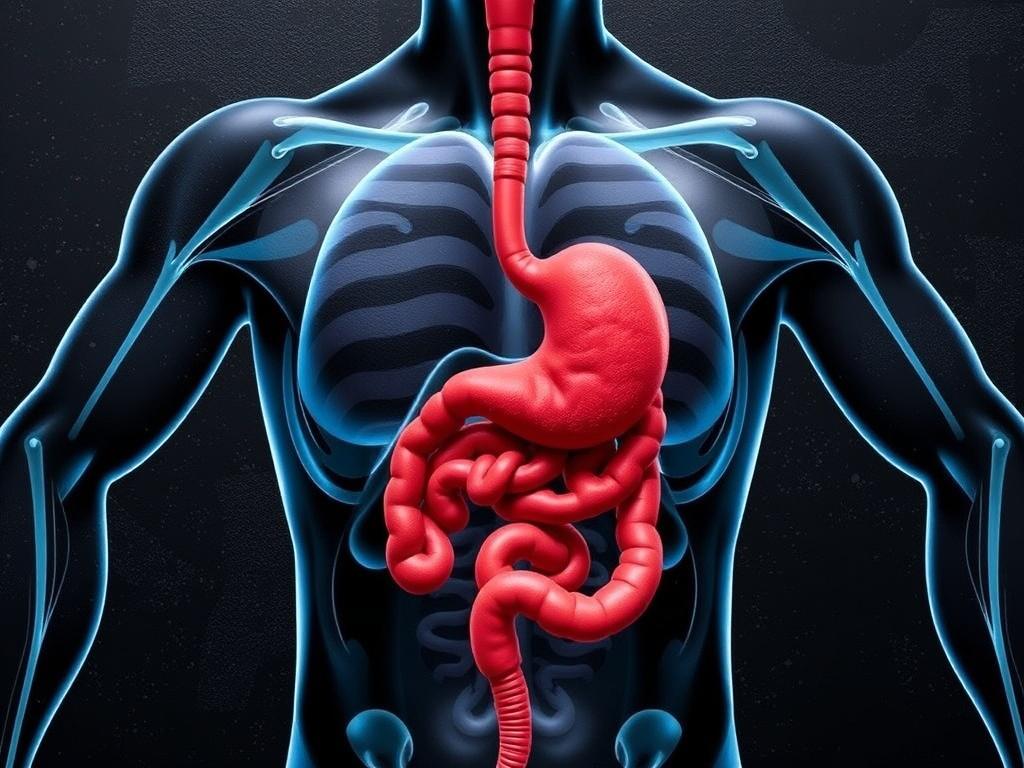
Certain medications commonly used by athletes—nonsteroidal anti-inflammatory drugs (NSAIDs), iron supplements, and antibiotics—can irritate the gut or alter the microbiome. NSAIDs, for example, increase risk of intestinal injury and might worsen exercise-induced gut permeability when used frequently.
Pre-existing conditions such as irritable bowel syndrome (IBS), inflammatory bowel disease (IBD), or celiac disease require stricter tailoring of sports nutrition. For example, athletes with celiac disease must strictly avoid gluten-containing products and use certified gluten-free supplements to prevent damage and symptoms.
If you have a chronic GI diagnosis, coordinate with your physician and a sports dietitian before adding supplements. Small adjustments—like selecting low-FODMAP carbohydrate sources for athletes with IBS—can allow continued performance with fewer symptoms.
Label reading and product quality: what to look for
Ingredients lists and third-party testing are two of the most useful things to check before buying a supplement. Look for transparent brands that disclose full ingredients and dosages rather than proprietary blends, and prioritize products tested by organizations such as NSF Certified for Sport or Informed-Sport for contamination and label accuracy.
Expiration dates, storage recommendations, and manufacturing location can offer additional clues about quality. For probiotics, check the specific strain designation and colony-forming units (CFUs) at the time of manufacture; for proteins, note any listed digestive enzyme blends or lactose content if you are sensitive.
Keep in mind that “natural” or “clean label” does not guarantee tolerance. Many natural sweeteners and botanical extracts provoke symptoms in certain individuals. The safest approach is to test new products in training and keep servings small until you know how your body reacts.
Practical strategies and a testing plan
Testing your tolerance in controlled settings is one of the most effective ways to avoid surprises. Start with a half or quarter serving of a new product during a low-stakes training session, then scale up as tolerated. Document circumstances like meal timing, hydration, intensity, and symptoms to learn patterns.
Build a simple trial plan: try one new product per week, keep other variables stable, and use consistent timing relative to exercise. This approach isolates the effect of the product and helps you decide whether it deserves a permanent spot in your toolbox.
If you experience issues, consider temporary substitutions—diluting concentrated drinks, using chewable carbohydrates with water, taking enzymes with meals, or switching to different protein types. Small adjustments often yield large improvements in comfort and performance.
Table: common supplements and typical gastrointestinal effects
| Supplement | Common GI effects | Simple mitigation |
|---|---|---|
| Whey concentrate | Bloating, gas (lactose intolerance) | Switch to isolate or plant protein; use lactase enzyme |
| Protein bars | Gas, fullness (fiber, sugar alcohols) | Choose low-fiber bars; test before events |
| Carb gels (fructose-heavy) | Diarrhea, cramping | Use glucose-fructose blends; dilute with water |
| Pre-workout (caffeine) | Acid reflux, urgency | Reduce dose; shift timing; use alternative caffeine source |
| Artificial sweeteners | Gas, laxative effects | Try products without polyols; choose small doses |
Dietary patterns that support a resilient gut
A gut that tolerates supplements well usually starts with a base diet that promotes stable microbiome diversity and steady bowel function. Regular meals, adequate but not excessive fiber, and a variety of plant foods create resilience and reduce the likelihood of sudden reactions.
That said, “variety” should be scaled to your needs. If you have a sensitive gut, gradually introduce new foods and supplements rather than making multiple simultaneous changes. Slow expansion allows identification of specific triggers and lowers the chance of an overreactive system.
Hydration and regular exercise themselves support gut motility and blood flow. Ironically, the two things people sometimes eliminate when stressed—water and movement—are often the simplest remedies for mild digestive complaints.
Travel, competition logistics, and on-the-road nutrition
Travel changes routines and introduces unfamiliar foods, both of which can unbalance the gut. Bring your trusted products when possible, and plan for backups like rice cakes, bananas, or familiar electrolytes if local options are unreliable.
When traveling internationally, be cautious with probiotics and foods that contain different strains or ingredients that may not sit well. Local cuisine can be a delightful part of the experience, but reserve novel foods for non-competition days if you are concerned about GI upset.
Pack a small trial kit: a packet of your regular energy gel, a low-fiber bar, and a familiar electrolyte tablet. These small items take little luggage space and can be lifesavers when local supplies are unsuitable or unavailable.
Working with professionals: when to seek help
Occasional, mild GI symptoms are common and often manageable with simple adjustments. However, persistent problems, blood in stool, significant weight loss, or severe abdominal pain warrant medical evaluation. These signs may indicate conditions requiring targeted therapy rather than supplement tweaks.
A sports dietitian or gastroenterologist who understands athletic demands can combine analysis of training loads, diet logs, and symptom patterns to develop a plan. They can recommend diagnostic tests when appropriate and work with you to modify supplements safely.
For competitive athletes, having a plan in place well before an event mitigates risk. Professionals can help design substitution strategies and train the gut to adapt to the volumes and fuel types required for specific sports.
Real-life examples from my coaching and personal experience
In my coaching practice, I worked with a marathoner who suffered recurrent mid-race diarrhea. We found she used a new low-calorie gummy containing sorbitol during long runs. Switching to a glucose-fructose gel and training with diluted drinks eliminated the problem and improved her consistency.
I also recall a powerlifter who experienced nighttime reflux after large pre-bedcasein shakes. Reducing portion size and spacing the shake earlier in the evening resolved the issue, and strength recovery remained strong. Small timing shifts can make a surprising difference.
On a personal note, I once relied on a pre-workout that claimed to be “all-natural” but included a high dose of niacin. The routine flushing and stomach discomfort convinced me to simplify my routine to caffeine and beetroot juice for nitrate, which preserved performance and my comfort.
Practical checklist: how to introduce a new supplement the safe way
- Start with a small dose—25–50% of a serving—during a low-stakes training session.
- Keep other variables constant: same meal timing, hydration, and workout intensity.
- Track symptoms for 24 hours and repeat with a slightly larger dose if tolerated.
- Check ingredient lists for sweeteners, polyols, lactose, and high-fiber additives.
- Prefer products with transparent labeling or third-party testing for contaminants.
Myths and misperceptions worth dispelling
One persistent myth is that supplements must be synthetic to cause GI problems. In reality, natural ingredients—honey, concentrated fruit sugars, or certain botanical extracts—can be just as troublesome as artificial additives. Tolerance depends on dose, context, and individual biology.
Another misconception is that increased training will automatically desensitize the gut to any substance. While gut training improves tolerance to volume and carbohydrate rates, it won’t eliminate reactions to allergens, medications, or compounds that a person cannot digest biologically.
Finally, “more is better” rarely applies to supplements from a digestive standpoint. Often, smaller, more frequent doses are better tolerated and equally effective for performance, particularly during long events where steady absorption matters more than a single large intake.
Final thoughts and next steps
Managing the interface between sports nutrition and your gastrointestinal tract is both a science and an art. It requires attention to product composition, timing, concentration, and individual response. By testing methodically, keeping records, and starting with conservative doses, you can build a nutrition plan that fuels performance without frequent digestive setbacks.
If you’re uncertain about chronic symptoms or considering complex supplementation regimens, consult a sports dietitian or physician who can tailor recommendations to your physiology and sport. Small, consistent improvements in your approach often translate into steady performance gains and far fewer surprises on race day.
Above all, remember that the goal is sustainable fueling—nutrition that supports training and recovery while respecting the limits and strengths of your gut. With thoughtful choices and a bit of trial and error, you can find the balance that keeps you strong, comfortable, and competitive.