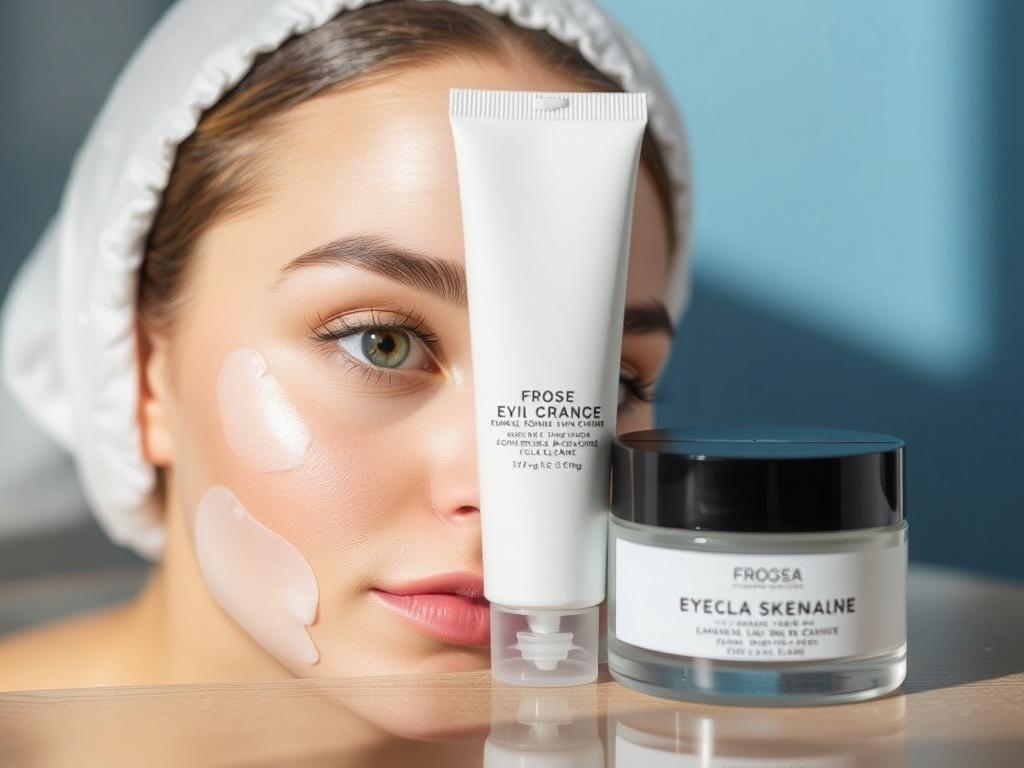
The skin around the eyes is a special kind of fragile: thinner than the rest of the face, prone to showing fatigue, and quick to react to products or lifestyle changes. In Russian, one concise way to describe this ritual is Уход за кожей вокруг глаз, but the same idea applies in every skincare culture—intentional, gentle, and consistent care makes a difference. This article walks through anatomy, common problems, ingredient choices, practical techniques, and real-life routines so you can care for the eye area with confidence.
Why the skin around the eyes needs different attention
The skin around the eyes is roughly one-tenth the thickness of the skin on the rest of the face. That thinness makes it more susceptible to dehydration, fine lines, and external irritants.
Fewer oil glands and a higher density of blood vessels also contribute to common issues like dark circles and puffiness. Because of these structural differences, you can’t treat the eye area exactly like the cheeks or forehead.
Unique structural features
The eye area contains fewer sebaceous glands, less subcutaneous fat, and more delicate connective tissue. These features explain why it creases sooner and loses volume predictably with age.
Muscle activity around blinking and squinting also accelerates dynamic lines. Over time, those lines can become etched into the skin if the supporting tissues thin and collagen declines.
Functional implications for skincare
Products for the eye area should prioritize hydration, barrier support, and low irritation potential. Strong actives that are fine elsewhere—like high-concentration retinoids or alcohol-based toners—can provoke redness, dryness, or burning here.
That doesn’t mean no active ingredients are safe; it means they should be formulated appropriately and applied with care.
Common eye-area concerns and their causes
People typically worry about dark circles, puffiness, fine lines, crepey skin, and irritation. Each has different underlying causes and therefore different sensible approaches.
Understanding the cause helps you pick treatments that are worth the time and money instead of layering remedies that do nothing for root problems.
Dark circles
Dark circles come from multiple sources: pigmentation, visible blood vessels, shadowing due to volume loss, or even thin skin revealing the vascular bed beneath. Genetics and ethnicity play large roles too.
Because of this complexity, a single cream rarely erases dark circles; targeted strategies—like gentle brighteners for pigmentation or fillers for hollowing—work better for specific causes.
Puffiness and bags
Puffiness often reflects fluid retention, inflammation, or allergic reactions. At night, sleeping position and sodium intake can exacerbate morning puffiness.
Chronic under-eye bags may indicate fat prolapse or loss of structural support, which topical products can only modestly affect; in-office procedures may be needed for dramatic improvement.
Fine lines and crepey texture
Fine lines arise from repetitive muscle motion and decreased collagen and elastin. Sun exposure and smoking accelerate this process by breaking down structural proteins and impairing repair mechanisms.
Improving lines involves hydration, collagen-supporting ingredients, and sun protection to prevent further damage.
Sensitivity and irritation
Redness, stinging, and flaking are often signs of a compromised barrier or allergic contact dermatitis. Fragrances, essential oils, and high-alcohol formulas are common culprits.
When sensitivity appears, simplify the routine to clean, fragrance-free products and avoid actives until the skin calms.
Daily routine: what to do in the morning and evening
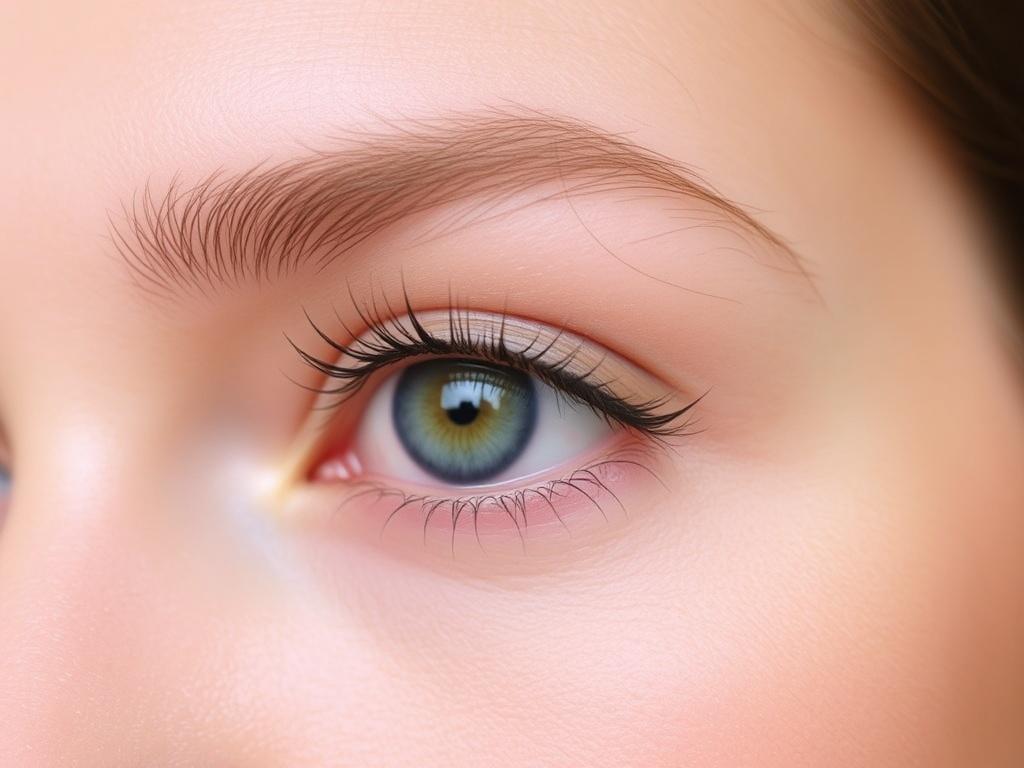
A thoughtful, repeatable routine trumps sporadic high-powered treatments. Consistency builds hydration and resilience over weeks and months.
Below are practical morning and evening steps tailored for the eye area and written so you can adapt them to your skin type.
Morning routine
Start with gentle cleansing that won’t strip natural oils. A cream or micellar cleanser removes residue without provoking tightness.
After cleansing, apply a lightweight eye serum if you use one. Follow with a moisturizer that supports the skin barrier, and finish with sun protection—an indispensable step for preserving the eye area.
Evening routine
Double-cleanse if you wore makeup or sunscreen: an oil or balm first, then a gentle water-based cleanser. This removes pigments and prevents irritation from lingering residues.
Nighttime is the ideal moment for richer creams or low-concentration actives (retinoids, peptides) designed for the eye area, applied sparingly and carefully.
Active ingredients worth knowing
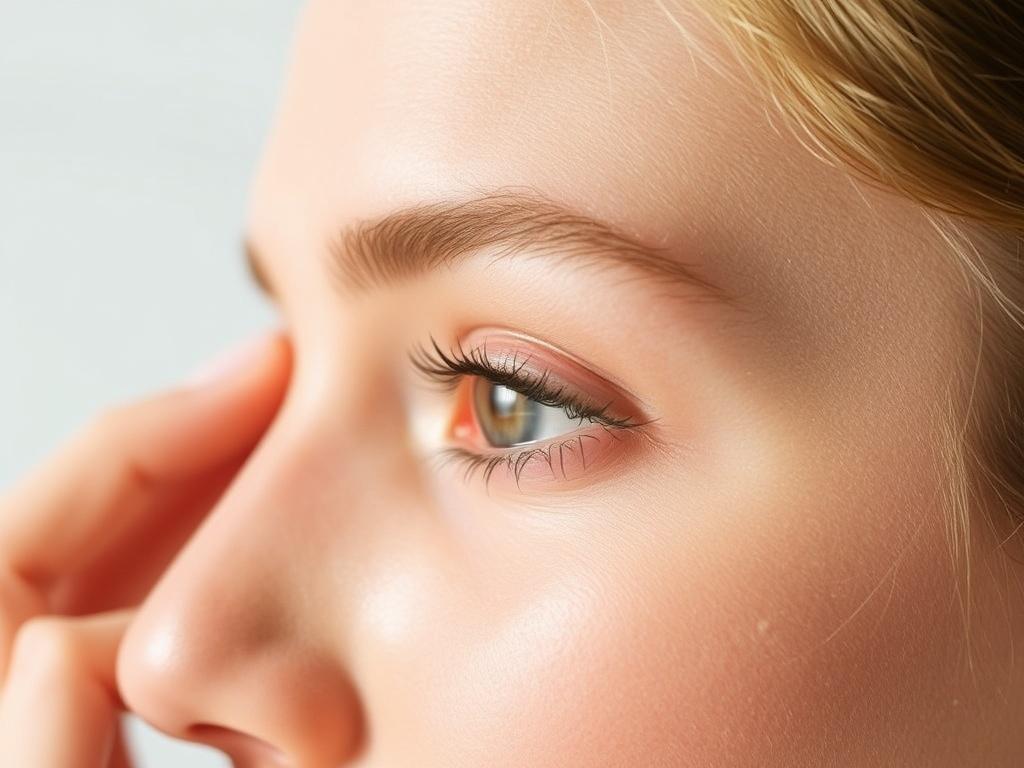
Not all actives are created equal for the eye area. Some have strong evidence and gentle formulations, while others should be avoided or used cautiously.
Here’s a practical guide to common ingredients, what they do, and how to use them safely around the eyes.
Hyaluronic acid
Hyaluronic acid draws and holds moisture, plumping fine lines and improving temporary texture. It works well under creams and makeup because it adds immediate, visible hydration.
Low-molecular-weight forms penetrate more deeply, but even surface-level hyaluronic products can make a meaningful cosmetic difference in the short term.
Peptides
Peptides are short amino-acid chains that can signal cells to produce structural proteins like collagen. They’re generally well tolerated and suitable for long-term use around the eyes.
Look for products that list specific peptides and are formulated for delicate skin to avoid unnecessary irritation.
Retinoids (retinol, retinaldehyde)
Retinoids stimulate collagen production and increase cell turnover, which can reduce fine lines and improve texture. However, they’re drying and potentially irritating, especially in the eye area.
Start with a low concentration and apply every other night, using a pea-sized amount and avoiding the lash line. If irritation occurs, decrease frequency or switch to a gentler alternative like bakuchiol.
Vitamin C
Vitamin C brightens and fights free radicals, helping with pigmentation and photodamage. Stable formulations with gentle carriers are preferable for the eye area.
A serum with 10–15% ascorbic acid or a well-formulated derivative can be used in the morning under sunscreen for antioxidant protection.
Niacinamide
Niacinamide strengthens the skin barrier, reduces redness, and can help with hyperpigmentation. It’s versatile and compatible with many other ingredients, making it a strong choice for sensitive eyes.
Concentrations of 2–5% are effective and well tolerated in most formulations around the eye.
Caffeine
Caffeine-containing eye gels are popular for their temporary vasoconstrictive effect, which can reduce the appearance of puffiness and darkness due to vascular congestion. Results tend to be transient.
Use them as a quick pick-me-up before events, but expect diminishing returns with chronic reliance.
Sunscreen
Sunscreen is essential. Chemical sunscreens can sometimes sting the eyes, so mineral sunscreens containing zinc oxide or titanium dioxide are often better tolerated around the orbital area.
For convenience, use a broad-spectrum SPF 30+ formula and reapply during prolonged sun exposure. Remember that sunglasses and hats add practical physical protection.
Ingredients to avoid or use cautiously
Fragrances, essential oils, drying alcohols, and harsh exfoliants can provoke irritation in the thin skin around the eyes. Highly concentrated alpha hydroxy acids or benzoyl peroxide are also best kept away.
When trying new products, patch-test on the inner forearm or behind the ear first, then introduce slowly near the eyes.
How to apply eye products correctly
Technique matters. The wrong application can cause stretching or dragging of delicate skin, defeating the purpose of the product.
Follow these tactile guidelines to get the most benefit with the least risk.
Pat, don’t rub
Use your ring finger—its lightest touch—to apply products. Tap a small amount in dots along the orbital bone and gently pat until absorbed.
Rubbing or dragging can cause microtrauma that contributes to lines and redness, so patience and soft motions are the best investment.
Layering order and amounts
Apply thinnest to thickest: serums, then lighter creams, then occlusive balms if needed. A pea-sized amount total is often more than enough for both eyes.
If you use a targeted eye treatment and a face retinoid, apply the retinoid to the rest of the face and use the eye formula separately to reduce irritation risk.
Massage and tools
Gentle lymphatic massage can help reduce puffiness. Small circular or sweeping motions toward the temples promote drainage when done lightly.
Tools like jade rollers and gua sha may feel soothing and encourage circulation, but keep pressure minimal and always roll outward to avoid tugging.
Makeup, removal, and nighttime safety
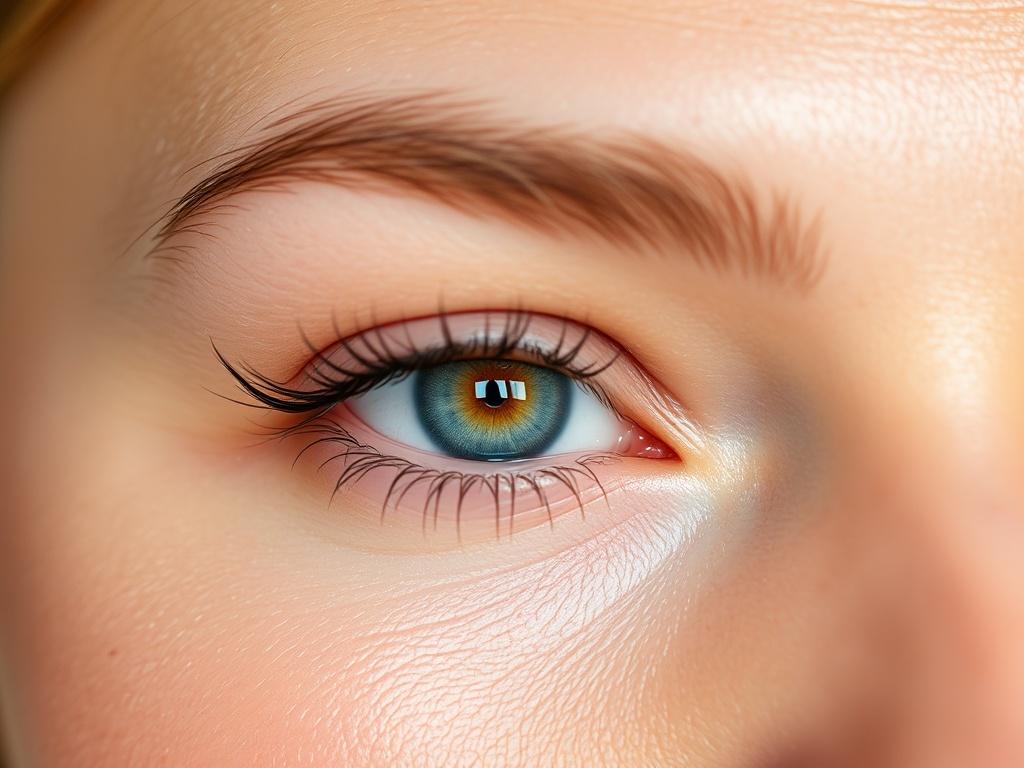
Eye makeup can be expressive, but inadequate removal is a common cause of irritation. Proper cleansing protects both the skin and the delicate structures like the lash line.
Here are realistic steps that respect both beauty routines and skin health.
Safe makeup removal
Use an oil-based cleanser or micellar water to dissolve mascara and pigment gently. Hold the remover on the closed lid for a few seconds before wiping to minimize rubbing.
Follow with a gentle face cleanser to remove any residual oil and prevent milia or clogged pores around the lash line.
Choosing mascara and liners
Waterproof formulas are impressive for staying power, but they often require harsher removers. Reserve them for special occasions and use gentler formulas daily.
Hypoallergenic, ophthalmologist-tested makeup is a good choice for contact lens wearers or anyone prone to eye sensitivity.
Removing eye makeup from contacts and lashes
Remove contact lenses before removing makeup when possible, and clean lenses per your eye-care professional’s recommendations. Never sleep in mascara unless it specifically states otherwise and is clinically tested for safe overnight wear.
Clumpy or dried mascara can deposit near the lash follicle and lead to irritation or infection, so replace mascara every three months to maintain hygiene.
In-office treatments: what works and when to consider them
Topicals are powerful, but structural problems—like deep tear troughs, pronounced fat pads, or severe skin laxity—sometimes demand professional interventions. Knowing the options helps set realistic expectations.
Below are common procedures, what they treat, and typical trade-offs.
Dermal fillers
Fillers can address hollows under the eye (tear troughs) by restoring lost volume, reducing shadowing that contributes to dark circles. Results are immediate and can last months to over a year depending on the filler used.
There are risks—swelling, bruising, and rarely vascular complications—so choose an experienced injector who specializes in the periorbital region.
Botulinum toxin (Botox)
Botox can soften dynamic lines caused by squinting and smiling, such as crow’s feet. Small, strategic injections relax the orbicularis oculi muscle without freezing the whole eye area when performed correctly.
Results typically appear in days and last three to four months. Proper dosing and placement are critical to avoid complications with eyelid position or expression.
Laser and energy-based treatments
Fractional lasers, intense pulsed light (IPL), and radiofrequency can improve skin texture, pigmentation, and laxity. These treatments stimulate collagen remodeling with varying downtime and risk profiles.
A series of treatments often provides cumulative improvement, but pigmentation-prone skin types require tailored protocols to avoid post-inflammatory hyperpigmentation.
Chemical peels and microneedling
Light chemical peels and superficial microneedling can improve texture and fine lines. They should be performed by professionals who understand the thinner eye-area skin and choose appropriate depth and agents.
Deeper peels are generally not used directly on the orbital skin due to the risk of complications and should be approached cautiously.
Lifestyle factors that influence the eye area
Skincare products help, but habits matter as much or more. Sleep, diet, allergy management, and sun protection all shape how the eye area looks and feels.
These changes are often low-cost and easy to adopt yet have tangible benefits for the skin’s appearance over time.
Sleep and position
Insufficient sleep can accentuate dark circles and puffiness. Elevating your head slightly can reduce overnight fluid pooling in the periorbital tissues.
While one poor night shows the effect quickly, a sustained sleep deficit will have cumulative influence on tone and texture.
Hydration and diet
Dehydration can worsen crepey texture; drinking adequate water supports skin turgor. High-sodium meals, alcohol, and late-night snacking contribute to fluid retention and morning puffiness.
A diet rich in antioxidants—leafy greens, berries, nuts—and omega-3 fatty acids supports skin health from the inside out.
Allergies and sinus issues
Allergic rhinitis and chronic sinus congestion increase periorbital swelling and darkening due to venous congestion and rubbing of the eyes. Addressing allergies with antihistamines or nasal care can reduce puffiness.
Consult an allergist or primary care provider for persistent or severe symptoms rather than self-treating with unproven home remedies.
Sun exposure and smoking
UV radiation degrades collagen and accelerates thinness and creping around the eyes. Sunglasses, broad-brim hats, and consistent sunscreen are practical defenses.
Smoking constricts blood vessels, impairs repair mechanisms, and causes premature aging that is particularly evident in the periorbital area. Quitting smoking benefits both skin and overall health.
Practical shopping tips: choosing eye products
Skincare marketing can be noisy. Look past fancy claims and focus on ingredients, formulation, and tolerability for the eye area. A smaller, science-backed list of products will usually outperform an overflowing vanity.
Here are practical buying criteria and a simple table comparing typical product types.
What to look for on the label
Check concentrations of active ingredients when possible, although many brands don’t disclose them. Look for fragrance-free and ophthalmologist-tested claims if you’re sensitive.
Consider packaging too: airless pumps and tubes reduce contamination compared with open jars, which is helpful for delicate eye products.
| Product type | Best for | Typical benefit |
|---|---|---|
| Hydrating eye cream | Dryness, fine lines | Immediate plumping and barrier support |
| Brightening serum | Pigmentation, dullness | Lightens pigmentation with consistent use |
| Caffeine gel | Temporary puffiness | Short-term decongestion and tightening |
| Retinoid night formula | Fine lines, texture | Stimulates collagen, improves texture over time |
Price vs. value
Higher price doesn’t always equal better results. Some mid-range brands offer clinically-proven formulations at reasonable costs. Prioritize proven ingredients and tolerability over prestige packaging.
Try sample sizes or travel kits before investing in full-size products to test compatibility and results without waste.
DIY remedies: what helps and what to avoid
Home remedies are appealing because they’re inexpensive and immediate, but not all are harmless. Cold spoons or compresses can temporarily reduce puffiness, but raw lemon, undiluted essential oils, and aggressive scrubs can cause permanent pigmentation or burns.
Below are safe, modest DIY options and clear no-go items to avoid unnecessary harm.
Safe, simple DIY options
- Cool compresses: Refrigerated gel masks or chilled spoons for brief de-puffing.
- Cucumber or cooled green tea bags: Provide mild soothing and temporary brightening from tannins.
- Hydrating masks: Thin layers of hyaluronic-acid-based sheet masks designed for the eye area.
Things to avoid
Avoid applying undiluted lemon juice, baking soda, or essential oils near the eyes. These can disrupt pH, provoke burns, or cause allergic reactions that are difficult to reverse.
Also, resist aggressive scrubbing or exfoliating directly on the eyelids and orbital skin.
Special considerations: pregnancy, contact lenses, and sensitive skin
Certain life stages and conditions change the risk profile for ingredients and techniques. When in doubt, err on the side of caution and consult a healthcare professional or dermatologist.
Here are specific adaptations to make your routine safer and more comfortable in special situations.
Pregnancy and breastfeeding
Avoid high-dose retinoids during pregnancy; topical retinol is usually recommended to stop during pregnancy out of caution. Safer alternatives include peptides, hyaluronic acid, and gentle vitamin C derivatives.
Check with your obstetrician for personalized advice, especially if you are using prescription-strength treatments.
Contact lens wearers
Some eye creams can migrate into the eye and irritate contacts. Look for ophthalmologist-tested products and apply conservatively, allowing time for absorption before inserting lenses.
If you experience persistent redness or discomfort, stop the product and consult an eye-care professional.
Sensitive and reactive skin
Patch-test new products and perform a one-week trial on a small area before applying broadly. Start with fragrance-free, minimal-ingredient formulas until you find tolerated actives.
If allergic reactions occur—swelling, itching, intense redness—discontinue and see a dermatologist if symptoms persist.
Myths and facts about the eye area
Skincare is full of myths. Distinguishing evidence-based practices from marketing hype saves time and prevents harm.
Below are common myths with clear, practical facts you can rely on.
Myth: eye cream is unnecessary if you use face moisturizer
Fact: Many face moisturizers work fine, but eye-specific formulas often have gentler textures, targeted actives at appropriate concentrations, and packaging that minimizes contamination. If your face cream irritates the orbital skin, switch to a dedicated eye product.
Myth: sleeping with eye cream overnight causes milia
Fact: Milia form when keratin becomes trapped beneath the surface of the skin and can be encouraged by heavy, occlusive products for some people. Choose non-comedogenic eye creams and avoid overly thick ointments if you’re prone to milia.
Myth: rubbing the eyes helps dark circles
Fact: Rubbing causes mechanical trauma, promotes pigment deposition, and can worsen dark circles. Use cold compresses or antihistamines for itch, and treat allergies rather than rubbing.
Short, science-based routines you can follow
Not everybody needs a ten-step routine. Here are three simple, targeted regimens based on common priorities: hydration, brightening, and anti-aging. Each is realistic and easy to maintain.
Hydration-focused routine (morning and evening)
Morning: gentle cleanser → hydrating eye serum with hyaluronic acid → lightweight moisturizer → mineral sunscreen. Evening: double-cleanse if needed → hydrating eye cream with ceramides and humectants.
This routine supports barrier function and reduces the visibility of fine lines caused by dryness.
Brightening routine for pigmentation
Morning: gentle cleanser → vitamin C serum (mild derivative) → hydrating eye cream → sunscreen. Evening: gentle cleanser → niacinamide or low-strength retinoid formulated for the eye area → richer cream as needed.
Consistency and sun protection are essential for any pigmentation work; results appear gradually over months.
Anti-aging routine with active support
Morning: gentle cleanser → antioxidant serum → eye cream with peptides → sunscreen. Evening: gentle cleanser → low-concentration retinaldehyde or retinol eye product (every other night to start) → emollient eye cream.
Patience and gradual introduction prevent irritation and maximize long-term collagen support.
When to see a dermatologist or eye specialist
Seek professional advice if you experience sudden changes, severe or persistent swelling, pain, recurrent infections, or treatments that aren’t producing results. Underlying medical issues sometimes masquerade as cosmetic concerns.
A dermatologist or oculoplastic surgeon can evaluate for structural problems, pigment disorders, or inflammatory conditions and recommend targeted treatments or procedures.
Red flags that warrant medical attention
- Rapid onset of unilateral swelling or redness
- Pain, significant vision changes, or discharge
- Hives, intense itching, or swelling after a product use
- Persistent discoloration that doesn’t respond to conservative measures
Final thoughts and realistic expectations
The eye area responds best to steady, gentle care tailored to its structural vulnerability. Shortcuts and harsh interventions often produce temporary results followed by setbacks.
From my own trial-and-error experience, the biggest improvements came from consistent sun protection, simplifying products when irritation flared, and choosing one sensible active ingredient at a time rather than layering everything I read about. Small changes added up over months into visibly healthier skin.
Adopt a routine that fits your life, favor evidence-based ingredients, and be patient—delicate skin rewards predictable, careful attention more than dramatic, frequent swaps. With that approach, the eye area can look rested, resilient, and natural for years to come.