
Choosing how to fuel muscle growth has become a noisy industry—shelves packed with tubs, influencers pitching formulas, and a thousand forum threads arguing tactics. If you’ve ever stood in the supplement aisle wondering whether a mass gainer or a protein powder will get you where you want, this article walks through the science, the practical differences, and the lifestyle choices that determine which option fits you best.
What are we comparing: basic definitions
A protein powder is primarily a concentrated source of protein derived from whey, casein, egg, soy, peas, or other plant sources. Its purpose is to supply essential amino acids to support muscle repair and growth, typically delivering 20–30 grams of protein per serving with minimal added carbohydrates or fats.
A mass gainer (or simply “gainer”) is formulated to deliver a large number of calories, combining protein with substantial carbohydrates and often added fats, vitamins, and sometimes creatine or digestive enzymes. One scoop can provide anywhere from 300 to over 1,200 calories depending on the product, designed to help people reach a caloric surplus without eating a large volume of whole foods.
How muscle mass grows: calories, protein, and training
Muscle growth requires three interlocking elements: progressive resistance training, sufficient dietary protein, and a caloric environment that supports positive energy balance. Without progressive overload in the gym, extra calories will largely be stored as fat rather than turned into muscle, regardless of whether those calories come from gainers or food.
Protein provides amino acids that serve as the building blocks for muscle tissue. Research suggests an effective range for muscle-building protein intake is roughly 1.6–2.2 grams per kilogram of body weight per day for most trainees, with total daily intake and distribution across meals being more important than timing alone.
Macronutrient profiles: what’s inside each tub
Protein powders focus on maximizing protein per scoop with minimal carbs and fats; for example, a typical whey isolate might give 25 grams of protein, 2–5 grams of carbs, and 1–3 grams of fat. These products are lean tools for hitting protein targets without significantly altering daily calorie totals.
Mass gainers are calorie-dense, often designed to supply 50–70 percent of calories from carbohydrates, 20–30 percent from protein, and the rest from fats. A moderate gainer serving might provide 600 calories, 50 grams of carbs, and 30–40 grams of protein, turning supplementation into a meal replacement for people with high energy needs.
Types of protein: whey, casein, plant, and blends
Whey protein is fast-digesting and rich in leucine, making it ideal for post-workout recovery. Whey concentrates and isolates differ mainly in processing—isolates have less lactose and often higher protein percentage per scoop, while concentrates can include more bioactive compounds and slightly more carbs and fats.
Casein digests slowly and creates a prolonged amino acid release, which is why many athletes use it before bed to reduce overnight muscle protein breakdown. Plant proteins—pea, rice, hemp, soy—are improving in quality; blends can achieve complete amino acid profiles and match animal proteins reasonably well for muscle support when dosed correctly.
Types of gainers: simple vs. premium formulas
Some mass gainers are “bulking focused” with cheap high-GI carbs (maltodextrin, dextrose) to maximize calories per dollar and boost glycogen quickly after training. These cheap carb-heavy formulas are effective for people with extremely high calorie needs but can spike blood sugar and lack micronutrient balance.
Premium gainers tend to use mixed carbs (oats, sweet potato powders), include healthy fats (MCTs, omega sources), and offer higher protein-to-calorie ratios. They may also include micronutrients and digestive aids; the trade-off is higher cost per calorie and sometimes smaller calorie counts per serving compared to bargain gainers.
Advantages of protein powders
Protein powders are precise tools for meeting daily protein goals without excess calories. They integrate easily into meals, shakes, or recipes and are beneficial for leaner bulking phases when you want to add muscle while minimizing fat gain.
They are also versatile: whey after workouts, casein before sleep, or plant blends for vegan athletes. For most lifters, hitting protein targets with a powder plus whole-food carbs and fats offers better body composition control than relying solely on high-calorie formulas.
Advantages of mass gainers
Mass gainers offer a time-efficient, convenient route to a consistent caloric surplus—especially useful when appetite is low or daily food volume becomes impractical. For ectomorphs, competitive athletes, or anyone with a very high metabolic rate, a gainer can bridge the calorie gap without endless platefuls of rice and chicken.
They can also be psychologically easier: drinking a dense shake feels less taxing than consuming multiple meals, and many gainers come flavored to taste like dessert, which helps with adherence to a bulking plan.
Downsides and trade-offs of each option
Using only protein powders while trying to bulk might leave you short on calories, forcing larger portions of whole foods that can crowd your schedule. Conversely, gainers can deliver excessive simple sugars and unnecessary calories, leading to unwanted fat gain if training intensity or volume is insufficient.
Both supplement types can contain fillers, artificial sweeteners, or poorly dosed additives. Label-reading is essential: some gainers list a big scoop weight but hide that the protein-per-scoop is low, or they mask high sugar with palatable flavors designed to get you to finish the shake quickly.
Who benefits most from a gainer
If you are naturally lean, struggle to consume enough food due to a small appetite, or you burn an extraordinary number of daily calories through work or sport, a gainer is a practical option. In those cases, a gainer can save time and reduce the mental load of continuously planning high-calorie meals.
People returning from illness or those trying to reach weight for sports like wrestling or football may also find gainers helpful. The key is that the caloric surplus must be combined with a solid strength program to maximize lean mass gains rather than just fat accumulation.
Who should stick with protein powder
If your goal is “clean” or controlled bulking—adding muscle while minimizing fat—you’ll usually be better off prioritizing protein powders and whole foods. Recreational lifters and those mindful of insulin sensitivity, body fat levels, or cardiovascular risk factors often prefer this route for more precise macronutrient control.
Also, people seeking to distribute protein evenly across meals, older adults who need higher protein density in smaller meals, and those with lactose or digestive sensitivities might benefit from targeted protein choices rather than high-calorie blends.
How to choose based on training and caloric goals
Start by calculating your maintenance calories and decide how aggressive your surplus should be—250–500 calories per day is a common recommendation for moderate, steady muscle gain. If reaching that surplus with food feels manageable, add protein powder; if not, incorporate a gainer to fill the gap.
Match supplement use to your workout split: heavy compound training and higher volume demand more energy and carbs, which a gainer will provide. For lower-volume or cut-to-bulk strategies, prioritize protein to keep fat gain modest while still providing materials for repair.
Timing and distribution: does it matter?
While total daily protein is the primary driver for muscle protein synthesis, meal timing and distribution can matter for certain athletes. Distributing protein evenly—roughly 20–40 grams every 3–4 hours—helps sustain amino acid availability across the day.
Post-workout protein remains practical: a fast-digesting whey shake with 20–30 grams of protein plus carbs can assist recovery, replete glycogen, and support synthesis. If you use a gainer post-workout, be mindful of the sugar load and pair it with a proper training session to utilize those calories effectively.
How to read labels: the smart buyer’s checklist
Look first at calories per serving, then protein grams, carbohydrate grams, and fat grams. Calculate the protein-to-calorie ratio to understand whether the product is protein-focused or calorie-focused; for example, 30 grams of protein in a 150-calorie scoop is protein-dense, while 30 grams in a 600-calorie scoop points to a gainer-style product.
Check ingredient order—ingredients are listed by weight, so if sugar or maltodextrin appears near the top of a gainer, expect a heavy carb load. Finally, scan for unwanted additives and verify claimed extras like creatine or digestive enzymes if those are important to you.
Budget considerations: cost per calorie and cost per gram of protein
Protein powders tend to be cheaper per gram of protein than gainers because they don’t include large amounts of carbs or fats, but gainers can be more cost-effective if you judge cost per calorie. Which metric matters depends on your priority: protein target or caloric intake.
Always calculate cost per useful unit—if your aim is protein intake, compute dollars per 10 grams of protein. If calorie intake is the limiter, run the math on dollars per 100 calories. That simple math prevents impulse buys based only on advertising.
Practical sample plan: using both strategically
Many successful bulking plans use both a quality protein powder and a gainer to keep options flexible. For example, use a gainer once daily when you need a big calorie boost—post-workout or between meals—and use a protein shake on other occasions to meet protein targets without excess calories.
This mixed approach allows you to benefit from the lean precision of protein powder while reserving higher-calorie gainer servings for days with heavy training or when appetite is low. It also helps limit fat gain by avoiding unnecessary caloric surplus on rest or light-training days.
Sample daily plan (moderate bulk for a 180-lb lifter)
Breakfast: whole-food breakfast with eggs, oats, and fruit supplying protein and carbs; mid-morning: whey protein shake to reach protein quota; lunch: balanced whole-food meal; pre-workout: small carb snack; post-workout: gainer shake or a whey plus carbohydrate source; dinner: whole-food meal rich in lean protein and vegetables.
This keeps protein distribution steady, uses the gainer when energy demand is highest, and relies on whole foods for micronutrients and fiber. Adjust portion sizes based on your exact calorie target and training intensity.
Label comparison table: quick glance
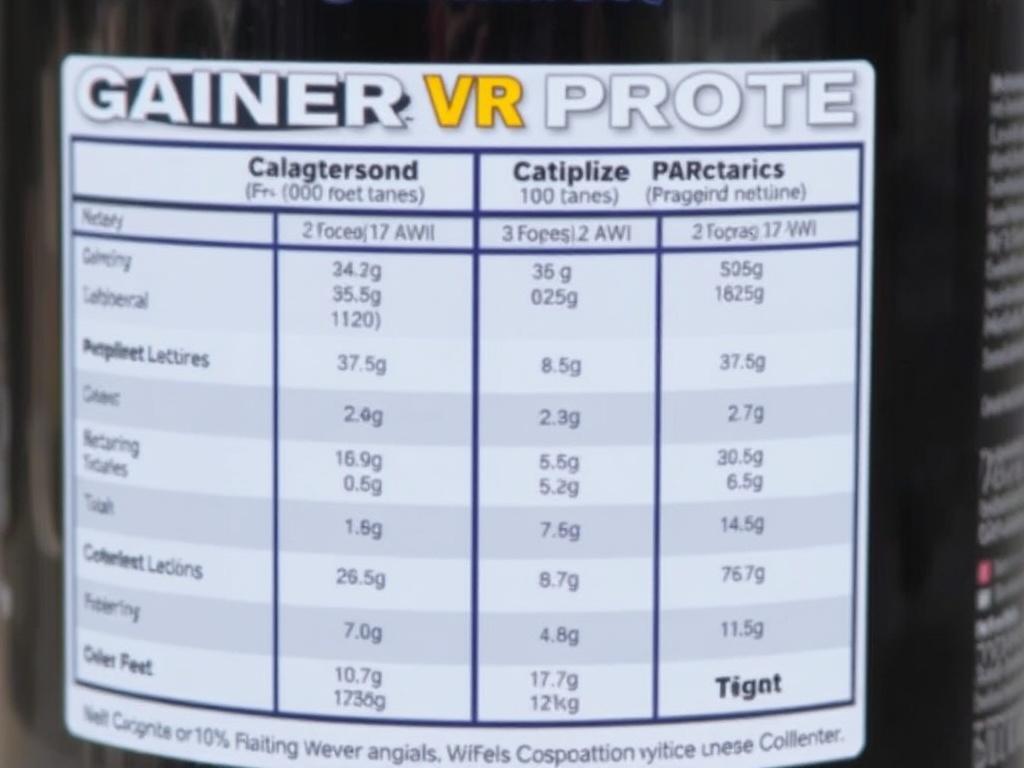
| Feature | Typical protein powder | Typical mass gainer |
|---|---|---|
| Primary purpose | Provide concentrated protein | Deliver high calories quickly |
| Calories per scoop (approx.) | 100–150 | 300–1,200+ |
| Protein per scoop | 20–30 g | 25–60 g |
| Carbohydrate content | Low (2–10 g) | High (30–200 g) |
| Best for | Lean bulking, recovery, protein targets | Hard gainers, fast calorie increases |
| Common downside | Insufficient calories alone | Potential excessive sugar/fat gain |
Common mistakes people make when bulking
One common error is assuming more calories always equals more muscle; without progressive overload and recovery, excess calories become fat. Another mistake is over-relying on supplements while neglecting whole-food micronutrients and fiber, which support long-term health and performance.
Some lifters also switch to high-calorie gainers too early and quickly, then blame the training program rather than poor dietary choices. A slow, controlled surplus paired with consistent resistance training usually produces better long-term results than rapid, reckless bulking.
Health and safety considerations
High-protein diets are safe for healthy individuals, but those with preexisting kidney disease should consult a healthcare professional before increasing protein intake substantially. Excess calories, especially from high-sugar gainers, can worsen insulin resistance or raise blood lipids in susceptible people if not combined with adequate activity.
Watch out for allergens (milk, soy, egg) and gastrointestinal upset; lactose-intolerant lifters may prefer whey isolate, plant proteins, or lactose-free blends. Hydration and adequate fiber intake help manage the gastrointestinal load of heavy shakes.
Practical tips for using gainers without excess fat gain
- Time gainer shakes around training sessions when your body is primed to use carbs for glycogen resynthesis.
- Choose a gainer with a reasonable protein-to-calorie ratio or add an extra scoop of protein to improve the ratio.
- Reduce gainer intake on rest days and use concentrated protein shakes to maintain amino acid supply without extra calories.
- Prioritize progressive overload in training to ensure most added calories contribute to lean mass.
How to scale serving sizes safely
If you decide to use a gainer, start conservatively—add one small serving each day and monitor body composition and performance for two to four weeks. Adjust based on weight trends and how your clothes fit rather than a daily scale obsession, since short-term fluctuations often reflect water balance and glycogen rather than true mass changes.
Track training performance: if strength and recovery improve and body fat remains reasonable, your plan is working. If fat rises quickly without performance benefits, dial back calories and reassess meal composition and workout intensity.
Supplements that pair well with protein or gainers
Creatine monohydrate pairs well with either option and is one of the most evidence-backed supplements for increasing strength and lean mass. Beta-alanine, caffeine (pre-workout), and adequate omega-3 intake can complement a training-focused nutrition plan, though they don’t replace the role of protein and calories.
Digestive enzymes or probiotics can help some people tolerate large shakes, and adding a fiber source to a gainer shake can reduce blood sugar spikes. Always prioritize whole-food micronutrients like fruits, vegetables, and quality fats alongside any supplemental plan.
Real-life example: an ectomorph’s strategy
I once coached a naturally lean client who struggled to hit 3,000 calories per day with whole foods. We introduced a reliable gainer shake once daily—post-workout—while keeping protein powder for mid-morning and before bed. Over four months with progressive overload, he gained 14 pounds, maintained gym performance, and kept body fat gains acceptable by spacing gainer use around high-activity periods.
The trick was monitoring appetite and not using the gainer as a default snack on low-activity days. Small adjustments like replacing sugary snacks with whole-food carbs on rest days helped control fat gain while preserving a steady surplus.
Real-life example: controlled bulk with protein powder
Another athlete I trained prioritized lean gains for a bodybuilding season and used only protein powders as supplements, building calories from whole foods like rice, potatoes, nuts, and dairy. Progress was slower but composition changes favored muscle over fat, and the athlete had more control over micro- and macronutrient quality.
This path requires patience and a disciplined appetite for food volume, but it’s effective for people who prioritize aesthetics or who need to stay within weight-class ranges for competition.
When to switch strategies
Switching from protein-only to including gainers makes sense if you stall on weight despite consistent training, your appetite remains low, or your work and lifestyle make frequent meals impractical. Conversely, switch away from gainers if fat accumulation becomes excessive or if you start to experience metabolic concerns like worsening blood lipids or energy crashes.
Think in phases: aggressive mass-gaining phases can be followed by controlled recomposition or cutting phases where protein powders support lean mass while calories are reduced. Cycling approaches to match training cycles and life demands often yields the best long-term results.
Common myths debunked
Myth: “Gainers are junk and only make you fat.” Reality: They are tools—if used strategically with training, they can support lean mass for hard gainers. Myth: “High protein destroys kidneys.” Reality: In healthy people, elevated protein intakes have not been shown to cause kidney disease, though preexisting conditions need medical input.
Myth: “Post-workout window is the only time that matters.” Reality: Immediate post-workout nutrition helps, but total daily protein and consistent training are the bigger factors for muscle gain.
How to blend shakes for better results
Enhance a gainer by adding ingredients that improve nutritional quality: use milk instead of water for extra calories and casein, add a tablespoon of nut butter for healthy fats, toss in a banana for real-food carbs and potassium, and include greens powder for micronutrients. These additions slow digestion and improve satiety while diversifying nutrients.
For protein-only shakes, consider blending with oats, yogurt, or fruit to make them more meal-like when you need extra calories. Avoid making every shake a sugar bomb; think of these as modular components of your daily diet.
Environmental and ethical considerations
Plant-based protein powders have a lower environmental footprint than many animal-derived proteins and suit vegan athletes well. If sustainability or animal welfare matters to you, investigate companies’ sourcing practices and choose products with transparent supply chains.
Some gainers rely on commodity carbs like maltodextrin that are cheap but environmentally less transparent; premium brands sometimes offer organic or whole-food ingredient lists for consumers prioritizing ethical sourcing.
Final practical checklist before buying
- Estimate your daily calorie and protein needs based on goals and activity.
- Decide whether you need calories (gainer) or targeted protein (protein powder) or a combination.
- Read labels: check calories, protein per serving, ingredient quality, and additives.
- Start with a small serving and monitor weight, body composition, and training performance for 2–4 weeks.
- Adjust servings, timing, and training intensity based on results and how you feel.
Summary of practical guidance
For most people seeking muscle gain, start with protein powder and whole foods because you maintain more control over macro and micronutrients and can fine-tune calories. Add a mass gainer only if you consistently fail to reach your required calories, if you have an unusually fast metabolism, or if lifestyle constraints make food volume impractical.
Use training as the primary driver of muscle gain, and let supplements be the support mechanism. Whether you choose a gainer, a protein powder, or a blend of both, consistency, progressive overload, and careful tracking are the things that actually move the needle over months and years.
Ultimately, the best choice is the one that fits your body, your schedule, and your goals—and that you can sustain without compromising health or performance. Adjust, monitor, and prioritize strength work; with that framework, either option can be a useful ally on the road to gaining mass.