
When you strap a fitness tracker onto your wrist, something subtle shifts: movement becomes visible, steps accumulate, and tiny colored rings start to tug at your attention. That feeling—of turning daily life into measurable data—fuels the hope that a gadget can solve the age-old problem of losing weight. This article walks through how and when fitness trackers help, where they fall short, and how to use one without turning healthy habits into obsessive number-chasing.
What fitness trackers measure and how they work
At the most basic level, fitness trackers count steps. An accelerometer inside the device senses motion and translates patterns into steps, distance, and activity minutes. Many devices also track heart rate using photoplethysmography, a light-based method that estimates pulse by measuring blood volume changes below the skin.
Beyond steps and heart rate, modern trackers attempt to estimate calories burned, sleep stages, floors climbed, and sometimes stress or blood oxygen saturation. Each measurement is a calculation based on sensors plus assumptions about your body—age, sex, height, and weight—which affects accuracy. The device’s app then packages these metrics into daily totals, trends, and nudges that aim to influence behavior.
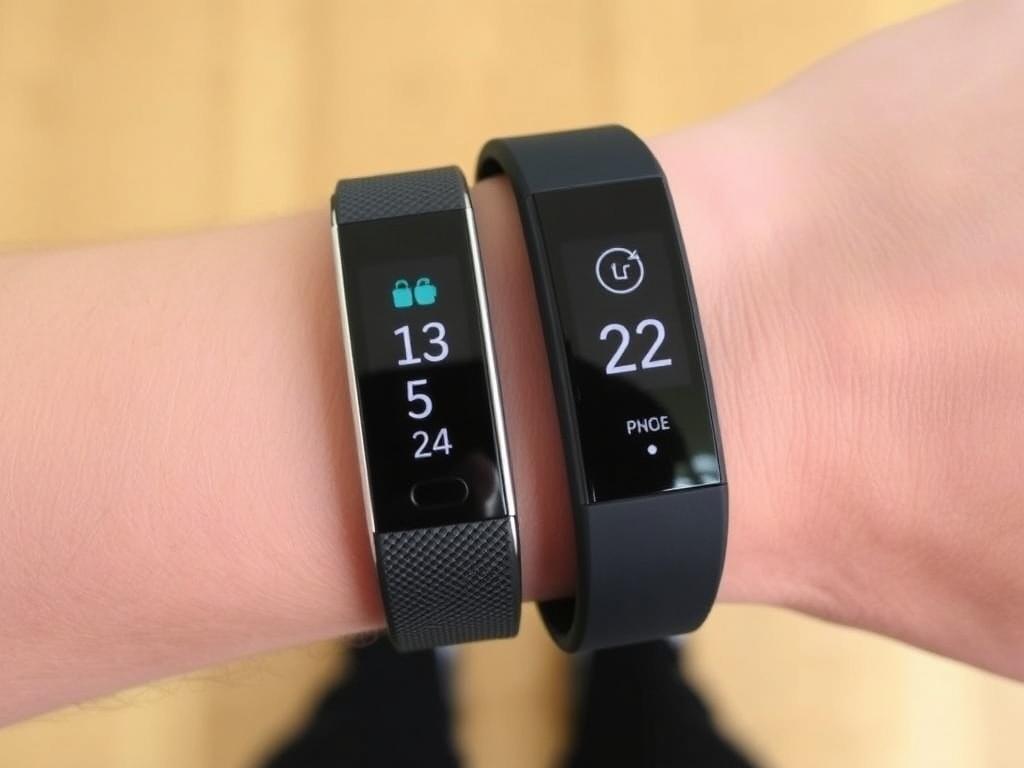
Algorithms matter as much as hardware. Different brands use distinct models to convert raw signals into meaningful output, so two trackers worn side by side will rarely agree exactly. That discrepancy matters less for long-term trends than for single-day precision, which is a key point when evaluating their usefulness for weight loss.
Do trackers actually help people lose weight?
Short answer: sometimes. Long answer: trackers can be useful tools in a broader strategy, especially for people who respond to feedback and measurable goals. They work best when they increase awareness, motivate small consistent changes, and are paired with sensible eating and exercise plans.
Randomized trials and behavioral studies generally show modest weight loss associated with wearable use compared to no intervention. The advantage is not dramatic—think a few pounds over months rather than rapid transformations—but it’s meaningful for people seeking sustainable change. The effect size depends heavily on how the tracker is used and whether it’s part of a structured program.
For many, the tracker functions as an accountability buddy. Seeing a daily step count or a streak of active minutes can prompt choices—take the stairs, walk to the store, or swap a sitting break for a short walk. Those micro-decisions add up when repeated over weeks and months, which is how modest weight loss often becomes lasting change.
However, a tracker is not a shortcut. Devices don’t create motivation out of thin air. If someone expects a band to replace goal-setting, meal planning, and consistent exercise, disappointment is likely. The most successful users treat the tracker as a mirror: a clear, sometimes blunt reflection of behavior that they can then choose to act upon.
Behavior change: awareness, goals, and feedback
Awareness is the foundation of change. Many people overestimate their daily activity; a tracker reveals the real baseline. Once you know you typically hit 4,000 steps, it becomes easier to aim for 6,000 and to measure progress. That concrete baseline reduces guesswork and makes incremental improvements feel achievable.
Feedback loops matter. When a tracker rewards you with badges, notifications, or a change in color, it creates micro-dopamine hits that can reinforce behavior. Those small rewards aren’t magic, but they make repetition feel satisfying and can help convert an intention—“I’ll be more active”—into action that repeats until it becomes habit.
Setting specific, manageable goals is where trackers shine. Rather than vague intentions, a target like “add 1,000 steps per day for two weeks” provides clarity. The device then supplies objective evidence of success or failure, which helps with planning future adjustments and sustaining progress.
Accountability, social features, and motivation
Social features—challenges, leaderboards, and shared progress—are powerful motivators for many people. Competing with friends or joining group challenges can increase daily activity, and social accountability often keeps engagement higher than solo efforts. That said, social features can also backfire if they create pressure or comparison that demotivates.
Notifications and reminders act as external prompts to break sedentary patterns. An hourly nudge to stand up or a message that you’re close to your step goal can be surprisingly effective at interrupting long stretches of inactivity. The timing and tone of these nudges matter; personalized and nonjudgmental prompts tend to be better received.
Motivation typically wanes over time. Many users experience an initial spike in activity followed by a gradual return to baseline. Successful long-term users either embed tracker data into a broader routine or periodically refresh goals, challenges, or social groups to maintain engagement.
The accuracy question: how reliable are the numbers?
Accuracy varies by metric. Step counts are generally reasonable for walking and running but less reliable for activities that lack rhythmic wrist motion, like cycling or weightlifting. Heart rate monitoring by wrist-based optical sensors works well at rest and during moderate activity but can become noisy during high-intensity interval training or when the device shifts on the wrist.
Calorie estimates are the least trustworthy metric on most trackers because they require multiple assumptions about your basal metabolic rate and the intensity of your activity. Small errors in heart rate readings or in estimating movement intensity can lead to large swings in the calorie burn estimate. Relying on those numbers for precise dietary adjustments is risky.
Sleep tracking is improving but still imperfect. Devices do a fair job of determining sleep duration and restlessness, and they can flag major sleep disruptions. However, distinguishing sleep stages (light, deep, REM) is an area where consumer wearables are still approximate compared to polysomnography in a sleep lab.
Ultimately, consider trackers as trend detectors rather than precise lab instruments. They tell you whether activity is generally increasing or decreasing, which is the actionable part for weight loss. Using them as precise calorie counters or diagnostic tools invites frustration.
Steps and distance
Step sensors detect rhythmic acceleration and translate it into steps based on movement patterns. Walking and running at consistent pace produce the most reliable counts, while activities like hiking with varied terrain or pushing a shopping cart may confuse the algorithm. Wrist placement and loose straps also reduce accuracy, so a snug fit matters.
Distance estimates calculated from steps depend on your stride length, which trackers often guess based on your height. For people with irregular stride lengths or who mix walking and running, distance errors can accumulate. For general fitness trends, this is usually acceptable, but for precise training plans it’s a limitation to keep in mind.
Heart rate and calorie estimates
Wrist-based photoplethysmography sensors measure changes in blood volume to estimate heart rate. They work best during steady-state activities and at rest but can lag behind rapid heart rate changes. Chest straps remain the gold standard for heart rate accuracy, especially during high-intensity intervals.
Calorie estimates combine your estimated heart rate, movement, and personal data to generate a burn figure. Because each component can introduce error, calorie estimates should be used cautiously. They are most valuable in relative terms—showing that today’s burn was higher than yesterday’s—rather than as absolute numbers to base your diet on.
Some advanced trackers allow users to integrate heart rate zones into workouts, which can help structure training and improve fitness. For weight loss, combining zone training with strength work improves metabolic health and preserves lean muscle as you shed weight.
Sleep and recovery data
Wearables identify sleep by detecting periods of prolonged inactivity and changes in heart rate variability. They can reliably indicate sleep duration and suggest times when you were restless, which helps you reflect on sleep hygiene and its impact on appetite and energy. Good sleep supports weight loss by regulating hunger hormones and improving exercise recovery.
Interpreting sleep stages requires caution. While tracked reductions in deep sleep or extended awakenings are worth noticing, the exact breakdown into stages should not be the sole basis for health decisions. Use these metrics as prompts for lifestyle changes—like reducing late-night screen time—rather than definitive diagnoses.
Common pitfalls and how to avoid them
One common mistake is treating the tracker as an infallible judge. People can become overly confident in the device’s calorie burn numbers and allow them to justify larger portions or extra treats. This compensatory eating erodes the calorie deficit many rely on for weight loss and can stall progress.
Another pitfall is obsession with daily numbers instead of focusing on long-term trends. A single low step day or a missed workout isn’t failure; it’s data. Users who respond to every dip with panic are more likely to burn out. The smart approach is to look at weekly or monthly averages and adjust goals gradually.
Trackers can also encourage a reward mentality: “I earned this treat because I walked today.” While occasional rewards are fine, habitual calorie compensation for exercise quickly negates the energy deficit created by the activity. Awareness of this tendency helps keep both eating and activity aligned with goals.
Finally, privacy and data concerns deserve attention. Wearable companies collect a lot of personal health information, and users should understand how their data is stored, shared, and used. Reviewing privacy policies and adjusting sharing settings in the app are small steps that protect personal health information.
Overreliance on calorie burn
Calories burned estimates can be seductive because they seem to offer a simple ledger for energy in versus energy out. The danger is treating those numbers as precise. Even small miscalculations can compound as you plan meals and snacks around a false sense of expenditure. For most people, portion control and food quality are more reliable levers than exact burn numbers.
Instead of using the burn estimate as permission to eat more, use the tracker to inform activity choices. If your data shows low movement, increase incidental activity through short walks or standing breaks. When you want to increase caloric expenditure, prioritize consistent exercise and strength training that raises resting metabolic rate over time.
Exercise compensation and reward mentality
Exercise compensation is the unconscious tendency to move less or eat more after a workout. It undermines weight-loss efforts when people overestimate the calories they burned and then reward themselves with larger meals or sedentary rest. Being mindful of this pattern is essential; tracking non-exercise activity thermogenesis (NEAT) helps identify compensation behaviors.
Maintain a balanced mindset: treat exercise as a health practice, not a license to overindulge. Trackers can help by making non-exercise activity visible, reminding you to maintain consistent movement throughout the day, which supports weight loss more reliably than sporadic bouts of intense activity followed by long periods of inactivity.
How to use a tracker effectively for weight loss
Start with realistic goals and a simple plan. If your average daily steps are 5,000, aim for 6,000 to 7,000 for the first two weeks rather than jumping to 12,000. Small, sustainable increases lead to lasting habit change, and trackers are ideal for monitoring these incremental steps.
Pair activity tracking with a basic food plan. Trackers can show whether you’re moving enough, but weight loss generally requires controlling energy intake as well. Use a simple, consistent meal strategy—balanced portions, more vegetables, moderate protein, and fewer processed carbs—rather than relying on fluctuating burn estimates to dictate meals.
Include strength training twice a week. Muscle preservation prevents metabolic slowdown as you lose weight and improves body composition. Trackers may not count weightlifting as steps, but many devices have strength-training modes or let you log resistance workouts manually to capture the effort and progress.
Review weekly trends, not daily spikes. Look at averages for steps, active minutes, and sleep quality across each week. That perspective reduces the drama of day-to-day variability and helps identify sustainable changes you can lock in for the long term.
Setting realistic goals and using SMART principles
SMART goals—specific, measurable, achievable, relevant, time-bound—translate well to wearable use. Instead of saying “I want to get fit,” choose “Add 2,000 steps per day over the next three weeks” and measure progress with the tracker. The device then becomes a tool for the “measurable” portion of your plan.
Anchor goals to behavior rather than outcome. Aiming to “walk 30 minutes five times a week” is actionable, whereas “lose 15 pounds” lacks a clear day-to-day path. Trackers make behavior goals visible and create an obvious path for adjustments if you fall short.
Combining tracking with diet and strength training
Great trackers encourage movement but can’t fix poor nutrition. Combine your device with a simple food routine: regular meals, attention to portion sizes, and prioritizing protein and fiber to control appetite. Logging food for even a few days per week builds awareness and helps align intake with activity trends.
Strength training supports longer-term weight management by maintaining or increasing lean mass. Use tracker features to time workouts and monitor heart rate zones, but record resistance sessions separately if your tracker doesn’t capture them well. Over time, lifting helps make the scale reflect fat loss rather than muscle loss.
Balance high-intensity workouts with active recovery. Intense sessions burn calories and improve fitness, but daily movement and adequate sleep are equally crucial. Trackers can guide recovery choices by showing heart rate variability, sleep duration, and activity levels, helping you avoid overtraining while still staying consistent.
Regular review, adjustments, and patience
Schedule a weekly review of your tracker data. Note steps, active minutes, sleep trends, and how you felt. Use that snapshot to adjust your next week’s goals rather than reacting impulsively to a single bad day. Small iterative changes compound into big results over months.
Patience is essential. Weight loss is rarely linear; water fluctuations, muscle gains, and measurement error can create misleading short-term trends. View the tracker as a long-term coach: it nudges, informs, and rewards, but it won’t replace steady, patient behavior over time.
Choosing the right tracker for your needs
Not all trackers are created equal, and “best” depends on your priorities. If you want a simple nudge to move more, a basic step tracker with long battery life and a comfortable band may be ideal. If you need accurate workout metrics for training, a GPS-enabled sports watch with heart rate accuracy should be considered.
Consider practical factors: battery life, water resistance, strap comfort, and screen readability. A device that sits in a drawer because it’s bulky or uncomfortable is worse than a less feature-rich band you wear every day. Aim for the tracker that fits your lifestyle, not the one with the longest feature list.
App ecosystem matters. The quality of the companion app—how it visualizes data, sets challenges, and integrates with nutrition or health platforms—determines how actionable your data becomes. Look for an app with clear trends, goal settings, and an interface you’ll actually enjoy using.
Price is important, but don’t equate cost with effectiveness. Many affordable trackers provide excellent step and sleep trends, while premium devices add niche features you might never use. Choose the tool that solves your specific problem rather than buying the most hyped model.
Features to prioritize
Prioritize core features: accurate step counting, reliable sleep detection, and intuitive app dashboards. If you exercise outdoors, built-in GPS is useful for accurate distance and pace. Heart rate monitoring is valuable for guided workouts and monitoring recovery, but remember chest straps are more accurate for serious athletes.
Look for customizable goals and alerts so you can tailor the device to your habits. If silent reminders bother you, choose a tracker with gentle vibrations or adjustable notification schedules. The device should adapt to your preferences rather than forcing you to adapt to it.
Check compatibility with other apps if you use nutrition trackers or health platforms. Seamless syncing reduces manual entry and helps you see the full picture of energy intake, activity, and sleep in one place, making decision-making simpler and more informed.
Battery life, comfort, and ecosystem
Battery life influences consistency. Trackers with multi-day battery life are easier to wear consistently, increasing the value of long-term trend data. If you dread charging every night, you’re less likely to wear the device consistently, which undermines its usefulness.
Comfort and band materials matter, especially for sleep tracking. Silicone bands are common and comfortable for most people, but those with sensitive skin may prefer fabric or hypoallergenic options. Try different bands if skin irritation occurs; many trackers support third-party straps for personalization.
| Model type | Best for | Typical features | Price range |
|---|---|---|---|
| Basic step tracker | Everyday movement and sleep | Steps, sleep, basic heart rate, long battery | $30–$100 |
| Mid-range fitness band | Casual athletes and goal setters | Heart rate, GPS via phone, guided workouts, app ecosystem | $100–$200 |
| Smartwatch | All-in-one smart and fitness features | Notifications, apps, GPS, music, advanced metrics | $200–$500+ |
| Sports watch | Serious athletes and outdoor training | Built-in GPS, multiple sport modes, advanced HR accuracy | $200–$600+ |
The table offers a high-level comparison so you can match a device type to your goals. Price ranges are approximate and depend on specific features and brand reputation. Remember that the crucial factor is whether you will consistently wear and use the device, not the brand name itself.
Personal experience and real-life examples
I once wore a simple fitness band for a year while learning to work movement into a busy schedule. At first I was surprised by how sedentary my days were, despite feeling active. The daily step totals revealed long afternoons at my desk and motivated small changes like walking meetings and a midday loop around the neighborhood.
Those small adjustments added up. Over six months my average daily steps rose by about 40 percent, and I lost weight steadily without drastic dieting. The tracker helped by making the invisible visible: activity that felt incidental suddenly registered as meaningful progress.
I’ve also seen tracker misuse in friends who treated calorie estimates as gospel. One friend repeatedly ate back estimated burn and plateaued for months. When she switched to a simpler habit—tracking portions and using the band only to ensure movement—her weight started down again. The contrast showed how behavior change, not numbers alone, produces results.
These experiences underline a consistent lesson: trackers amplify behavior. If you have a plan and use the tracker to support it, you’re more likely to succeed. If you expect the device to create motivation by itself, it will likely disappoint.
Scientific evidence and research summary
Studies on wearable devices and weight loss indicate modest benefits. Randomized trials often show small but significant increases in physical activity and modest weight loss when wearables are part of a structured program. The effect tends to be stronger when devices are combined with counseling, goal-setting, or dietary changes rather than used alone.
Meta-analyses suggest wearables help improve short-term activity levels and weight outcomes, but long-term adherence is the bigger challenge. Many participants revert to baseline activity after several months unless they maintain engagement through goals, social support, or other interventions that make the device part of daily routine.
Research also highlights the role of behavioral strategies—like feedback, reinforcement, and goal-setting—in translating data into change. The data itself matters less than the behavioral framework built around it, which is why combining wearables with a coach, group program, or self-directed plan yields better results than wearing a tracker alone.
When a tracker might not be enough — seeking professional help
If you struggle with persistent weight loss resistance, significant medical conditions, or emotional eating that feels out of control, a tracker is unlikely to be sufficient. In those cases, consulting healthcare professionals such as a registered dietitian, physician, or therapist can provide a comprehensive approach that addresses underlying causes and safe pathways for weight loss.
A professional can help tailor caloric and macronutrient needs, screen for hormonal or metabolic issues, and design an individualized exercise program. Therapists can address behavioral barriers like emotional eating, while dietitians can translate tracker data into sustainable nutrition strategies. Combining professional guidance with wearable data often yields the best outcomes for complex cases.
Also consider programmatic options that integrate coaching with technology. Many evidence-based weight loss programs combine regular human support, nutrition counseling, and wearable feedback, producing stronger and more sustainable results than devices alone.
Practical week-by-week plan using a tracker
Below is a simple eight-week plan that pairs a tracker with achievable behavior changes. This blueprint focuses on gradual progression, habit formation, and realistic adjustments so the tracker becomes a helpful teammate rather than a boss.
- Week 1: Establish baseline by wearing the tracker all day and logging typical meals for three days.
- Week 2: Increase daily steps by 1,000 above baseline. Add one 10-minute walk after dinner.
- Week 3: Introduce two 20-minute strength sessions. Keep step increases steady.
- Week 4: Focus on sleep—aim for consistent bedtime and review sleep trends in the app.
- Week 5: Add a social challenge or invite a friend to join weekly step goals.
- Week 6: Reassess portions; try simple meal swaps like adding vegetables and lean protein.
- Week 7: Increase step goal by another 1,000 if comfortable. Add interval walk sessions twice a week.
- Week 8: Review eight-week trends, set new monthly goals, and plan maintenance or next-phase training.
Each week, use the tracker to measure adherence, not to micromanage every calorie. Adjust goals if they feel unachievable and reward consistency rather than perfection. The process is cumulative: small changes tracked consistently produce measurable results over time.
Practical tips to get the most from your tracker
Wear the device consistently, including during sleep if you want sleep insights. A tracker is only useful when it captures the rhythm of your life. Missing days create data gaps that make trends less reliable and the device less helpful as a coach.
Customize alerts to avoid notification fatigue. If hourly nudges annoy you, reduce their frequency or change the tone. The point is to get helpful prompts that fit your lifestyle rather than to add another source of stress.
Pair the tracker with a simple food routine rather than obsessive calorie counting. Use portion control, whole foods, and regular meal timing, and reserve detailed logging for when you need a reset or troubleshooting of a weight-loss plateau.
Fitness trackers are tools—useful, motivating, and sometimes frustrating. They reveal habits you didn’t notice, turn vague intentions into measurable goals, and help sustain momentum when paired with a sensible plan. They don’t replace willpower or smart nutrition, but in the hands of someone ready to act on the data, a wristband can be a quiet, persistent ally on the long road to healthier weight and better habits.