

If your eyes feel gritty, heavy, or tired halfway through the workday, you are not alone; modern screens demand sustained close focus and a lot of visual processing. This article explains practical ways to protect comfort and clarity with short, effective exercises and smarter habits, including a few targeted moves that many people call зарядка для глаз при работе за компьютером. Read on for step-by-step routines, ergonomic fixes, and a realistic plan to weave breaks into a busy schedule.
Why your eyes get tired at the computer
Sustained near work forces your eyes to maintain focus and alignment for long stretches, which tires the tiny muscles that control the lens and eye position. The brain also expends attention to interpret flicker, contrast shifts, and small font details, and that cognitive load translates into a sensation of eye strain. Add reduced blink rate in front of screens and you have dry, irritated eyes that feel exhausted by mid-afternoon.
Light from displays, especially when brightness and contrast are poorly adjusted, can increase glare and make the visual system work harder than necessary. Blue-rich light contributes to discomfort for some people and can affect circadian rhythms if exposure happens late in the day. Environmental factors—poor lighting, reflections, and an awkward seating angle—amplify the problem created by the screen itself.
Common symptoms of digital eye strain
Recognizing symptoms early helps you adopt practices before problems become persistent. Typical complaints include blurred vision at near or distance, aching around the eyes and temples, double vision, and frequent headaches. Dryness, burning, or a sandy feeling in the eyes is common when blinking decreases during concentrated computer work.
Other signs to watch for are neck and shoulder tension, difficulty focusing after a long session, and increased sensitivity to light. If symptoms persist despite home strategies, it’s prudent to consult an eye care professional since underlying refractive errors or binocular problems can make digital tasks more tiring. Addressing ergonomic and visual issues together usually reduces the symptoms faster than focusing on either alone.
The science behind quick eye exercises
Eye exercises aim to reduce fatigue by relaxing overworked muscles, restoring a natural blink pattern, and encouraging shifts in focus. Short, purposeful breaks alter the visual input to the brain and allow the accommodative system—the mechanism that changes the lens shape—to reset. Although exercises are not a cure for refractive errors, they can relieve temporary strain and support comfort when combined with good habits.
Research on specific eye exercises shows mixed results for long-term structural changes, but consistent short breaks do reduce reported symptoms of digital eye strain. The most reliable benefits come from techniques that force the eyes to alternate between near and far focus and from restoring frequent blinking to re-wet the ocular surface. Think of these exercises as maintenance—simple, repeatable, and kind to your eyes when used regularly.
Ergonomics: the foundation of comfort
Good posture and screen setup reduce the amount of muscular effort your eyes and body must expend. Position your monitor about an arm’s length away, with the top of the screen at or slightly below eye level so your gaze is slightly downward; this reduces ocular surface exposure and encourages a natural blink. Adjust font size, contrast, and zoom to avoid squinting and leaning forward.
Lighting matters: use soft ambient light, minimize glare with an anti-glare screen or matte monitor finish, and avoid harsh overhead lights that reflect on the screen. If you use bifocal or progressive lenses, prefer slightly lower monitor placement or computer-specific glasses to reduce awkward head postures. Simple ergonomic improvements often halve the amount of visual discomfort before you even add exercises.
Core exercises: short moves that help immediately
These core exercises are quick, require no equipment, and can be done at your desk. Each move takes 20 to 60 seconds and can be repeated several times an hour to interrupt strain and refresh your focus. Keep your shoulders relaxed and breathe evenly while you do them—tension in the body undermines the eye-relaxing effects of these routines.
- Blinking resets the tear film and reduces dryness; try intentional blinking for 30 seconds every 20 minutes.
- Near–far focus alternates focus between an object 10–20 inches away and one at least 20 feet distant to exercise accommodation.
- Figure-eight tracing gently mobilizes the eye muscles by following an imaginary horizontal eight for 30–60 seconds.
Do these core exercises two to four times each break, and you’ll notice immediate relief in many cases. They’re especially useful when you feel the first twinges of discomfort, since early intervention prevents escalation.
Detailed 1-minute routine for instant relief
This micro break takes about 60 seconds and is ideal during short meetings or a tight work sprint. Start with gentle blinking, move into focusing exercises, and finish with soft palming to ease muscle tension around the eyes. You can do this routine while sitting at your desk without disrupting workflow.
- Blink deliberately: close your eyes gently and open them, repeating 10 times to rehydrate the surface.
- Near–far focus: hold a finger 10 inches from your face for 10 seconds, then look at something across the room for 10 seconds; repeat twice.
- Palming: rub your palms together to warm them, place them lightly over closed eyes without pressure for 20 seconds, breathing slowly.
These steps restore moisture, exercise focusing flexibility, and reduce tension in the periocular muscles. Micro routines like this are most effective when repeated regularly throughout the day rather than saved for desperate moments.
Five-minute routine for a deeper reset

When you have a slightly longer pause—between tasks or after an extended meeting—this five-minute routine provides a fuller reset. It combines mobility, focus training, and relaxation to address both muscles and tear film. Set a timer so you’re sure to complete each element instead of idly scrolling your phone.
- Light neck roll and shoulder release for 30 seconds to loosen tension that contributes to eye strain.
- Follow with 30 seconds of intentional blinking at a steady rhythm to re-moisten the eyes.
- Do a two-minute focus sequence: alternate between near and distant points every 15 seconds, mixing smooth shifts with quick saccades.
- Finish with one minute of diagonal and circular eye movements to mobilize different muscle groups.
Consistency matters, so use this routine two to four times during a typical workday to feel a notable drop in fatigue. The physical stretch at the start is important because neck and shoulder tightness often accompany and worsen visual discomfort.
Ten-minute routine for a true break
A 10-minute practice mimics a short break or the midpoint of a long project block and can rejuvenate both the eyes and the mind. This routine includes breathing and relaxation components in addition to visual drills, which reduces sympathetic tension and promotes smoother ocular function. Consider doing this routine during lunch or mid-afternoon when fatigue tends to accumulate.
- Begin with a gentle 60-second walk to change posture and re-oxygenate your body.
- Spend two minutes on sustained, slow blinking to fully refresh the tear film.
- Practice five minutes of structured focus training: 20 seconds near, 20 seconds far, and 20 seconds of soft peripheral awareness, repeating until time is up.
- End with one minute of palming and slow diaphragmatic breathing to settle the system.
Ten-minute routines are restorative and reduce the cognitive load of continuous screen work, improving focus and mood when you return. If your schedule allows, two such breaks spread through the day can be transformative.
Step-by-step guide to specific exercises
Here are clear instructions for several commonly recommended eye exercises that fit into the micro and longer routines. Follow the steps exactly the first few times to build comfort and confidence with motion and timing. Pay attention to any discomfort—exercise should feel relieving, not painful.
Blinking practice
Sit comfortably with relaxed shoulders and breathe slowly. Close your eyes gently, hold for half a second, then open them; repeat this deliberate blink 10–15 times. Practice this sequence every 20–30 minutes to maintain tear film integrity and avoid dryness that mimics fatigue.
Near–far focus
Hold a finger about 10 inches from your nose and focus on it for 10–15 seconds, then switch focus to a distant object for the same amount of time. Repeat this cycle 8–10 times, aiming for smooth, controlled shifts rather than rushed changes. This exercise trains the ciliary muscle responsible for accommodation and reduces the stiffness associated with prolonged near focus.
Figure-eight tracing
Imagine a large horizontal eight on the wall about 10 feet away, or trace one with your finger while keeping your head still. Move your eyes slowly around the figure-eight path for 30–60 seconds, reversing direction halfway through. This exercise increases ocular mobility and reduces the feeling of stiffness in multiple gaze directions.
When to avoid exercises and seek care
Most eye exercises are safe, but there are times when you should pause and consult a professional. If you experience sudden vision loss, flashes of light, persistent double vision, significant pain, or a rapid increase in symptoms, stop exercises and see an eye doctor promptly. Those with certain eye conditions or recent eye surgery should ask their ophthalmologist which movements are appropriate before starting any routine.
Persistent symptoms despite consistent ergonomic and exercise efforts merit a clinical evaluation to rule out uncorrected refractive errors, binocular vision disorders, dry eye disease, or other ocular pathology. A tailored plan from an eye care specialist—possibly including vision therapy, prescription lenses, or medicated drops—can address root causes more effectively than general exercises alone.
Ergonomic checklist: quick fixes you can apply now
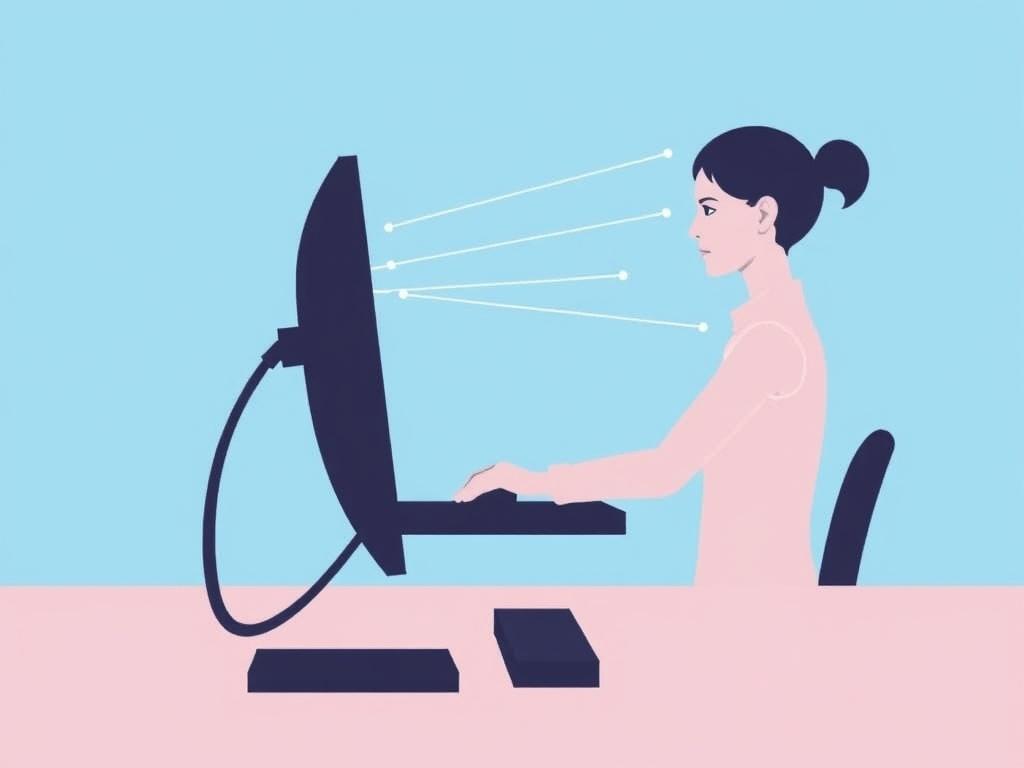
Small adjustments create large reductions in discomfort when they address the major contributors to strain. Check your screen height and distance, ensure even ambient lighting, and reduce glare with blinds, anti-glare screens, or monitor positioning. Also make sure your chair supports a neutral spine and that your keyboard and mouse allow relaxed shoulders.
- Screen: about 20–28 inches from the eyes, slightly below eye level.
- Lighting: soft ambient light with task lighting as needed; eliminate direct reflections.
- Posture: feet flat, hips slightly higher than knees, shoulders relaxed and down.
- Display settings: increase text size and contrast to minimize squinting.
Applying even a few items from this checklist can cut the amount of muscular effort required to use the computer, which in turn reduces visual strain. Combine ergonomic changes with the micro and longer routines for the best results.
Using the 20-20-20 rule effectively
The 20-20-20 rule is an easy-to-remember habit: every 20 minutes, look at something at least 20 feet away for 20 seconds. This simple practice encourages accommodation shifts and blinking, interrupting the tunnel focus that causes fatigue. Make it a habit by using a timer, an app, or pairing it with other routines like standing up or stretching.
To get the most benefit, pick a distant object with detail, such as a plant or a framed picture, rather than staring into vague distance. Combine the rule with intentional blinking and a brief neck stretch so the pause repairs both visual and musculoskeletal systems.
Creating a daily schedule that supports healthy vision
A predictable pattern of work and breaks makes it easier to maintain eye health without losing productivity. Use a block schedule that alternates focused work with micro breaks and includes at least one longer pause for a more thorough routine. If possible, align longer breaks with tasks that require less screen time, like phone calls or reading printed documents.
| Work block | Break type | Duration | Suggested activities |
|---|---|---|---|
| 25–30 minutes | Micro break | 1 minute | Blinking, near–far focus, neck release |
| 2 hours | Short reset | 5–10 minutes | Stretch, 5-minute routine, walk |
| Half-day | Long break | 15–30 minutes | Lunch away from screen, outdoor light exposure |
Experiment with timing: some people thrive on 50-minute focus blocks with 10-minute breaks, others prefer shorter cycles. The important part is consistency and using breaks for restorative activities rather than switching to another screen.
Real-life example: how I changed my workday
I used to power through eight hours without much thought beyond finishing the next task, and my eyes paid the price with afternoon fatigue and headaches. After introducing micro breaks every 30 minutes and a five-minute routine mid-afternoon, my symptoms dropped dramatically within two weeks. The combination of a slight monitor lift, larger text, and deliberate blinking made the workday feel more sustainable and less draining.
What helped most was treating breaks as non-negotiable rather than optional, and using a simple timer to remind me until the habit stuck. Once the micro routines became automatic, I noticed better focus and fewer need-to-stop moments caused by soreness or blurriness.
Tools and apps that help you remember
Several apps and built-in tools can remind you to pause and perform eye exercises, and they vary from simple timers to comprehensive wellness assistants. Look for solutions that allow customization of intervals, include short guided exercises, and avoid intrusive full-screen takeovers that create friction with deep work. Desktop utilities, browser extensions, and mobile apps can sync reminders so you get consistent prompts across devices.
- Use a timer or Pomodoro app set to your preferred work/break intervals.
- Try guided eye health apps that cue blinking and focus shifts if you prefer audible prompts.
- Integrate reminders with calendar events for longer breaks so they’re part of your schedule.
Pick one tool and use it for at least a week to see if it helps form a routine; switching apps frequently undermines habit formation. If notifications become annoying, adjust frequency rather than abandoning the practice entirely.
Lighting strategies to reduce visual load
Lighting that matches the contrast of your screen and reduces reflections makes both reading and long stretches of work easier on the eyes. Ideally, position ambient light behind you or to the side and use task lighting with a soft diffusion for paperwork. Avoid placing bright windows directly behind the screen or facing the monitor, which causes glare and forces you to squint.
Consider using a warm-colored desk lamp for close tasks and keeping overhead lights dimmer when possible. If you experience discomfort in the evening, reduce blue-rich light exposure by using warm display settings or a blue-light filter, though the evidence for blue-light glasses’ effectiveness is mixed. The goal is comfortable, even illumination that supports visual detail without forcing the eyes to fight brightness or reflections.
Addressing dry eyes at the desk
Dry eye disease and simple environmental dryness are common companions of screen work due to decreased blink rate and air flow from HVAC systems. Frequent deliberate blinking, a room humidifier, and over-the-counter lubricating drops (when appropriate) can relieve symptoms for many people. If dry eye symptoms are severe or worsen, seek evaluation from an eye care professional because prescription therapies may be needed.
Simple behavioral changes often help: avoid fan or vent airflow across the face, and take micro breaks to deliberately re-wet the eyes. For contact lens wearers, consider more frequent lens removal for longer sessions or switching to daily disposables if recommended by your eye doctor.
Adjusting screen settings for comfort
Increase text size and workspace scaling to reduce the effort your eyes expend reading small fonts. Adjust contrast so text and important details stand out without the background being overly bright, and use dark mode sparingly—some people find it reduces glare, while others prefer light text on a neutral background. Reduce unnecessary visual clutter on your desktop and within apps to minimize micro-saccades and needless focus shifts.
Also consider enabling night mode or warm color settings in the evening to support sleep hygiene, though the primary benefit during the day is comfortable contrast and readable text. These simple tweaks reduce squinting and leaning forward, which are frequent contributors to eye strain and neck tension.
Using prescription options wisely
If you wear prescription glasses, ensure your prescription is current and appropriate for computer distance. Many people benefit from single-vision computer glasses set for the typical monitor distance, or from occupational progressive lenses that optimize intermediate viewing. Discuss computer-specific prescriptions with your optometrist rather than relying solely on reading glasses or outdated prescriptions.
Even small uncorrected refractive errors can dramatically increase the effort required to focus on a screen for long periods, so an up-to-date exam is a high-value investment. If you experience double vision or eye alignment problems, specialized lenses or vision therapy may be recommended by a professional.
Children and screens: adapting routines for younger eyes
Children spend increasing time on screens for school and entertainment, and their visual habits benefit from structured breaks and supervision. Encourage the same principles—frequent breaks, outdoor play for distant focus, and appropriate display sizing—to support their developing visual systems. For younger children, shorter, more frequent breaks and parental modeling of good habits work best.
Make outdoor time a daily routine because exposure to natural light and varying distances supports healthy ocular development. If children complain of recurrent headaches or blurred vision, seek an eye exam, since vision problems can interfere with learning and may worsen with prolonged near work.
Combining exercise with movement for overall wellness
Integrate eye routines with simple body movement to address the interconnected nature of computer-related discomfort. A set of neck and shoulder stretches before or after eye exercises reduces accompanying musculoskeletal tension and reinforces a habit loop that benefits the whole body. Movement increases blood flow and alertness, amplifying the restorative effects of visual breaks.
Try standing and performing eye mobility drills, or walk for a few minutes while alternating near and far focus to combine physical and visual resets. These combined breaks often improve productivity by giving your brain a genuine change of state rather than a screen-based distraction.
How often to practice for lasting benefit
Frequency matters more than duration: short, regular breaks produce more consistent relief than occasional long sessions. Aim for micro breaks every 20–30 minutes, a five-minute reset two or three times per day, and at least one longer break away from the screen during the workday. Over time, these habits reduce baseline fatigue and make long tasks feel less taxing.
Track symptoms for a few weeks to see which combination of break lengths and frequencies works best for you, and adjust accordingly. The pattern that feels sustainable is the one you will keep, so start with a modest goal and increase frequency as it becomes easier.
Incorporating workplace policies for eye health
Employers can support eye health by encouraging breaks, offering adjustable workstations, and providing guidance on ergonomic practices. Small organizational changes—reminder systems, flexible scheduling, and access to ergonomic tools—make it easier for employees to follow healthy routines. Proactive workplace ergonomics reduces sick days and increases sustained productivity, making it a sound investment for both workers and managers.
If you manage a team, model good break behavior and allow for brief screen-free pauses during meetings to normalize healthy practices. Shared norms reduce the awkwardness people sometimes feel about stepping away from the screen and help everyone maintain longer-term comfort and focus.
Tracking progress and troubleshooting
Keep a simple log of symptoms and the routines you use to find patterns and identify what works best for you. Note time of day when discomfort peaks, what activities preceded the symptoms, and which exercises provided the most relief. If certain measures consistently fail to help, adjust the approach—either by changing frequency, trying different exercises, or seeking professional assessment.
Seeing an eye care provider is the right next step when symptoms don’t improve after two to four weeks of consistent self-care or when new symptoms appear. A targeted plan from a clinician can identify treatable conditions and recommend a precise mix of therapy, lenses, and environmental changes for better outcomes.
Simple rules to remember every day
Three small rules will carry you farther than sporadic intense efforts: blink often, break frequently, and set up your workspace thoughtfully. These habits reduce the mechanical and sensory strain that builds up during long periods of screen use, and they are easy to implement. Start small, keep it consistent, and expand your routine as it becomes part of your day.
Remember that the goal is comfort and sustainable performance, not a rigid checklist; be flexible and patient as you find the combination that fits your workflow. Over a few weeks, the benefits compound as eyes and body adapt to the gentler demands of smarter screen use.
Final practical checklist to start today
Begin with a handful of changes that are easy to adopt and measure: set a 30-minute timer, adjust your monitor, and practice a one-minute micro routine after the first alarm. Increase your commitment gradually: add a five-minute routine after a week and consider a 10-minute break mid-afternoon after two weeks. These incremental steps create a sustainable habit without disrupting your work rhythm.
Keep a short journal of how you feel each day and celebrate small wins—fewer headaches, less squinting, or improved focus. Over time, these small investments in eye care add up to a noticeably more comfortable and productive workday, making long hours at the computer more manageable and less costly to your wellbeing.