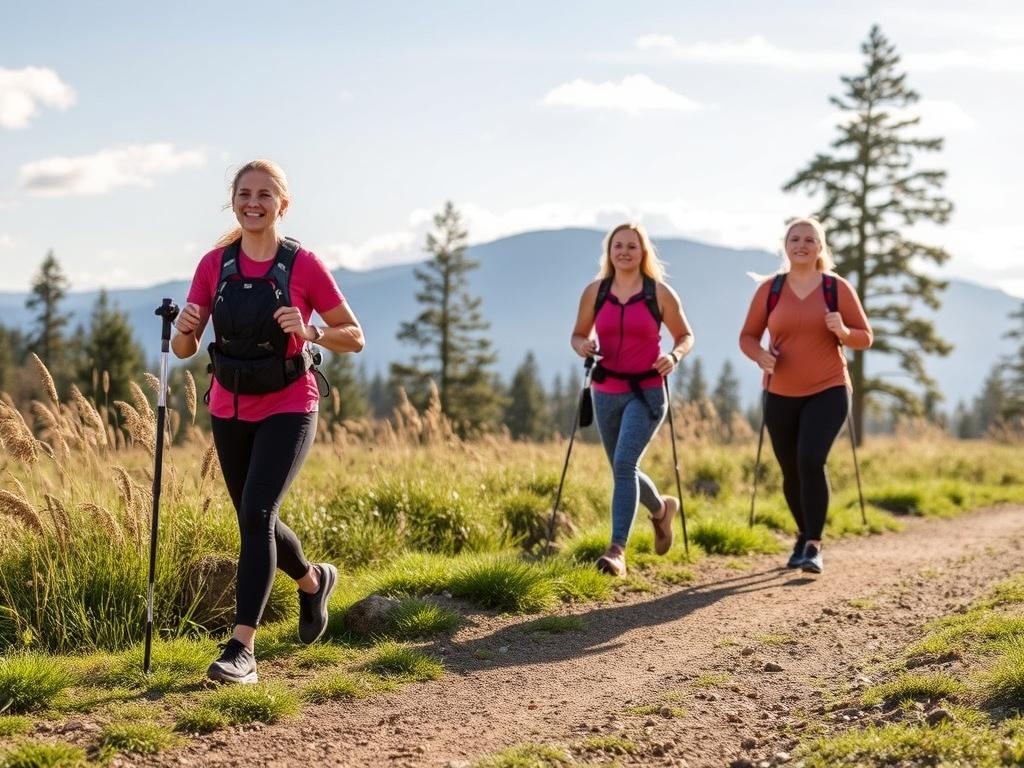
Nordic walking blends the familiar rhythm of walking with active upper-body engagement, turning a daily stroll into a full-body workout. This approachable activity is easy to learn, gentle on the joints, and highly effective for improving fitness and trimming body fat. In this article I’ll explain how it works, how to do it properly, and how to build a realistic plan that delivers steady results.
What exactly is Nordic walking?
Nordic walking is walking with specially designed poles that you plant behind you with each stride, using your arms to help propel you forward. The technique recruits muscles of the shoulders, back, chest, and core in addition to the legs, making it more intensive than ordinary walking without the impact of running. It’s often taught in parks, fitness centers, and outdoor groups, and it works on paths, trails, and city sidewalks alike.
People sometimes call it pole walking or power walking with poles, but the defining feature is the coordinated arm action and pole placement. The poles are not trekking poles used for balance on steep terrain; they are engineered for rhythm, with wrist straps that allow a push-off rather than a grip-only motion. Mastering the rhythm is the key to turning a casual walk into a calorie-burning, posture-improving workout.
Nordic walking scales easily: a gentle pace for recovery or brisk sessions for aerobic conditioning. Because it spreads effort across more muscle groups, many participants feel less strain in their knees and hips while still getting an efficient cardiovascular session. For anyone who prefers outdoor movement to gym machines, it’s an elegant alternative with measurable health benefits.
How Nordic walking developed and spread
The modern form of Nordic walking originated in Finland in the 1930s as off-season training for cross-country skiers, and it gained organized popularity in the late 20th century. Coaches adapted ski poles for use on dry land, refining pole lengths, straps, and techniques suited to walking rather than skiing. Over time it evolved into a civilian fitness activity enjoyed across Europe and beyond.
By the 1990s and 2000s Nordic walking instructors and associations emerged, offering certified courses and research to back the method. Studies began to compare it to ordinary walking and to measure its effects on heart rate, oxygen consumption, and muscle activation. Professional organizations pushed for standardized technique, making it accessible to a broad public rather than a niche training tool for athletes.
Why it’s so effective for health and weight loss
Nordic walking raises energy expenditure by engaging upper-body muscle groups that remain relatively inactive during regular walking. That extra muscular work translates into higher calorie burn without dramatically increasing perceived exertion. In practice, people can sustain longer workouts because the effort is distributed, which helps create the calorie deficit needed for weight loss.
The poles also encourage an upright posture and deeper breathing, which improves oxygen uptake and can make each stride more efficient. With improved posture you recruit the core and back muscles, which strengthens stabilizers and can reduce chronic pain that limits activity. Simply put, it allows people to move longer, stronger, and with less joint distress than some higher-impact activities.
Another advantage is accessibility: it’s low-tech, low-cost, and suitable across a wide range of ages and fitness levels. That makes adherence easier, and long-term consistency is the single most important factor for both sustained weight loss and cardiovascular improvements. For many people, a sustainable habit of three to five weekly sessions will yield steady results.
Someone looking to lose weight should view Nordic walking as a tool that can elevate daily activity, not a magic bullet. When combined with sensible portioning and balanced dietary choices, the increased calorie burn and improved lean muscle mass support durable weight reductions. The technique’s safety and social aspects often help people stick with it longer than solitary gym sessions.
Physiological benefits beyond burning calories
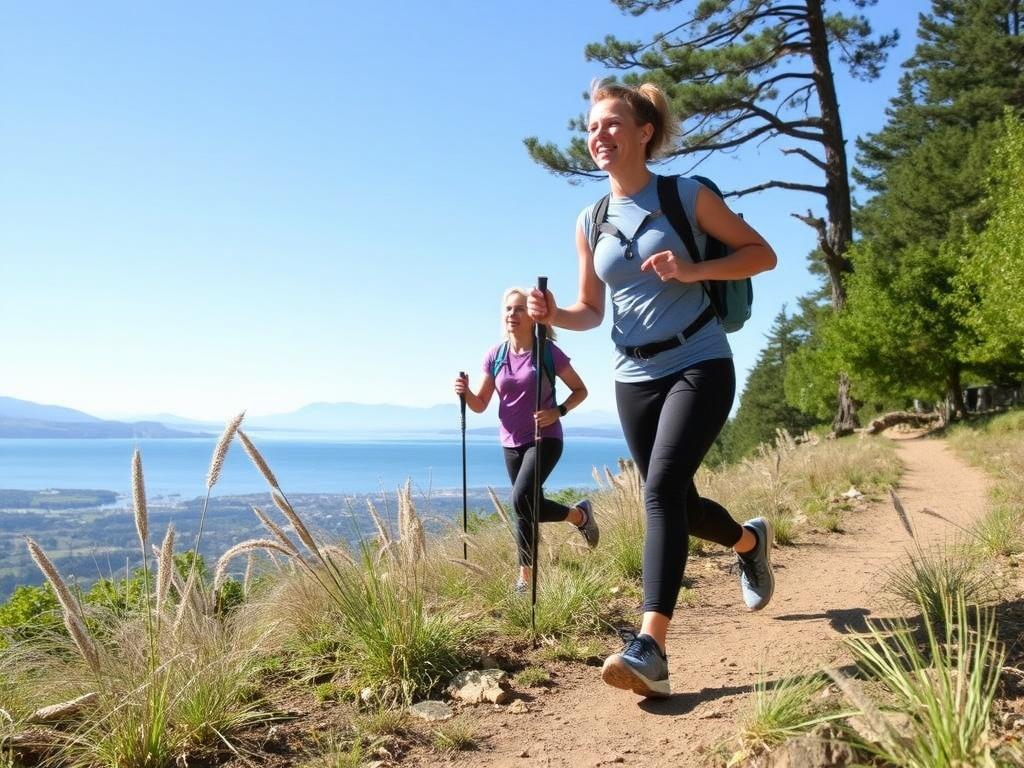
Beyond the immediate calorie burn, Nordic walking improves cardiovascular fitness, muscular endurance, and flexibility. The rhythmic push of the poles elevates heart rate and oxygen consumption compared with regular walking at the same pace, which strengthens the heart and lungs over time. This makes it useful for improving aerobic capacity without requiring intense impact training.
Muscularly, the activity stimulates the posterior chain — the back, glutes, and hamstrings — along with the shoulders and triceps. That balanced recruitment helps correct muscular imbalances common in people who sit for long hours. Strengthening those chains reduces the risk of back pain and supports better joint alignment during everyday activities.
Mental health benefits are notable as well: outdoor exercise reduces stress hormones, improves mood, and can enhance sleep quality. The social dimension of group walks and the meditative rhythm of coordinated steps and pole thrusts add psychological resilience. For many, this combination makes Nordic walking a powerful habit-building activity that supports both mental and physical well-being.
How many calories can you burn?
Calorie burn depends on body weight, walking speed, terrain, and how actively you use the poles. Research suggests that Nordic walking can increase energy expenditure by 15–40% compared with regular walking at the same speed. That range reflects differences in technique and effort: a determined power session yields the higher end, while a casual stroll with poles sits near the lower end.
Below is a practical comparison to illustrate typical calorie ranges for a 60-minute session at moderate pace. These are illustrative estimates and individual results will vary, but they help set expectations for planning.
| Activity | Person (155 lb / 70 kg) | Person (185 lb / 84 kg) | Notes |
|---|---|---|---|
| Normal brisk walking (60 min) | ~280–320 kcal | ~340–380 kcal | 4.5–5.0 mph brisk pace |
| Nordic walking (moderate, 60 min) | ~340–420 kcal | ~420–520 kcal | Poles used actively for propulsion |
| Nordic walking (vigorous, 60 min) | ~440–520 kcal | ~540–640 kcal | Faster pace, longer strides, strong arm push |
These figures show how Nordic walking can meaningfully increase caloric expenditure, especially when you adopt vigorous technique or include hills and intervals. Over weeks, that additional burn contributes to a steady weekly calorie deficit and weight loss when paired with a modest reduction in calorie intake.
Basic technique: how to walk with poles properly
Proper technique maximizes benefits and reduces the risk of discomfort. Start by selecting poles adjusted to your height: when you hold the pole with the tip on the ground, your elbow should be bent roughly 90 degrees. A correct pole length ensures a comfortable, effective push and a fluid arm swing.
The wrist straps are important: slide your hand up through the strap from underneath and then grip the handle. This allows you to relax your grip and push the pole backward using your forearm and shoulder rather than gripping so tightly that only your hands work. The push should be a deliberate backward thrust that finishes behind your hip.
Stride with a natural heel-to-toe roll while coordinating the arm opposite the advancing leg, similar to regular walking but more pronounced. Keep your torso upright, shoulders relaxed, and gaze forward. Breathe smoothly, engage your core lightly, and aim for a steady cadence rather than overstriding for pace.
- Stand tall with shoulders back and chest open.
- Step forward with your heel, roll through to the toe.
- Plant the pole slightly behind the foot and push backward.
- Use wrist strap to transfer force; avoid tight grip.
Practice the movements slowly at first, then increase pace as the coordination becomes natural. Many instructors recommend practicing indoors or on flat ground until the rhythm is reliable, then adding terrain complexity. A short video or a one-time lesson with a certified instructor can accelerate the learning curve and prevent common errors.
Common technical mistakes and how to fix them
A frequent mistake is planting the poles too far in front of the body, which creates braking rather than propulsion. To fix this, focus on planting the poles just behind the forward foot and initiating the push from the shoulder and back muscles. Visual cues—such as imagining pushing the earth backward—help internalize the correct motion.
Another error is gripping the poles too tightly, which causes undue tension in the forearms and shoulders. Using the wrist strap properly and keeping a relaxed hand allows larger muscles to do the work and prevents tendon strain in the forearms. Periodically shake your hands loose during longer sessions to relieve tension.
People sometimes lean forward or hunch their shoulders when they increase speed, which undermines posture benefits. Remind yourself to stand tall and open your chest, even on hills and during intervals. This posture not only improves breathing but also distributes effort more evenly across the body.
Choosing equipment: poles, shoes, and clothing
Not all poles are identical; look for models designed specifically for Nordic walking rather than lightweight trekking poles. Nordic walking poles typically have ergonomic handles and secure wrist straps that allow you to push without gripping tightly. Many come in adjustable lengths or fixed lengths sized to height categories.
Poles with spring-loaded tips or shock absorbers can add comfort, especially on hard pavement. Replaceable rubber tips are practical for urban walking to reduce noise and protect the walking surface. If you plan to use varied terrain, consider poles with interchangeable tips for dirt, asphalt, or snow.
Shoes should be supportive and comfortable, with a stable heel and flexible forefoot to allow a natural heel-to-toe roll. Trail shoes work well for mixed terrain, while lightweight walking sneakers are suitable for paved routes. Dress in layers appropriate to the weather, and choose moisture-wicking fabrics to stay comfortable during longer sessions.
Beginner training plan: the first eight weeks
Start slowly and build consistency before intensity. A manageable eight-week plan helps you learn technique, create a routine, and begin to see fitness gains. Below is a simple progression for someone who can walk comfortably for 20–30 minutes but is new to using poles.
| Week | Sessions per week | Session format | Notes |
|---|---|---|---|
| 1–2 | 3 | 20–30 min easy technique practice | Focus on coordination and posture |
| 3–4 | 3–4 | 30–40 min moderate pace, include 1 hilly walk | Try two continual 10-min moderate blocks |
| 5–6 | 4 | 40–50 min with 2 brisk intervals (3–5 min) | Introduce short speed efforts |
| 7–8 | 4–5 | 45–60 min; include one long endurance and one hill session | Begin alternating easy/recovery days |
Follow the plan without skipping rest days, and pay attention to recovery, hydration, and sleep. As technique becomes second nature, progressively increase either session length or intensity but not both at once. That conservative approach reduces injury risk and preserves motivation.
How to progress: intervals, hills, and strength work
Once you’ve built a base, use interval sessions and hills to raise intensity and accelerate fat loss. Short intervals—such as 2–4 minutes at a brisk pace followed by equal recovery—elevate average heart rate while remaining sustainable. Repeat 4–8 intervals after a warm-up and finish with a cool-down to make the session effective and safe.
Hills are an efficient way to increase workload without significantly raising speed, and the poles make climbing more efficient by offloading some stress from the legs. Mix in one hill-focused session per week with steady climbs or repeated short uphill sprints to stimulate strength and power. Descend carefully to protect knees and quads.
Complement walking sessions with simple resistance exercises twice weekly: squats, lunges, rows, and planks. These moves increase lean muscle mass and metabolic rate, improving body composition beyond what aerobic work alone can achieve. Even a 20-minute bodyweight routine twice a week meaningfully supports weight-loss goals when done consistently.
Combining Nordic walking with nutrition and other activities
Exercise forms the activity side of the equation, but sustainable weight loss requires thoughtful nutrition as well. Small, consistent changes—like prioritizing whole foods, protein at each meal, and managing portion sizes—are more durable than drastic diets. Pairing those dietary shifts with regular Nordic walking amplifies results and makes them easier to maintain.
For those training for performance, alternate walking days with cross-training activities: cycling, swimming, or strength training. Cross-training reduces overuse, keeps motivation high, and improves overall fitness. Active recovery days such as gentle mobility work or restorative yoga complement the more demanding walking sessions and speed recovery.
Tracking intake and activity with a simple journal or app can clarify patterns and reveal small behavioral adjustments that yield outsized results. Use objective data—minutes walked, distance, perceived exertion—rather than the scale alone, since water retention and muscle gain can mask true progress. Celebrate non-scale victories such as better posture, improved sleep, and increased stamina.
Safety considerations and who should take care
Nordic walking is low risk for most people, but certain conditions require precaution. Individuals with unstable cardiovascular disease, recent surgeries, uncontrolled hypertension, or severe balance disorders should consult a healthcare provider before beginning a new walking program. A medical check can help tailor intensity and avoid unnecessary risk.
If you have wrist, elbow, or shoulder conditions, be mindful of technique and consider lower pole force until your symptoms improve. Poles transfer load to the upper body, which is beneficial for many but can irritate inflamed tendons if used improperly. A certified instructor can offer technique tweaks or suggest temporary modifications to reduce strain.
Wear reflective clothing and choose safe routes after dark. Use poles with secure tips on slippery or uneven surfaces and adjust pole length when climbing or descending steep slopes. Minor aches are normal as new muscles engage, but sharp or persistent pain should prompt a pause and professional assessment.
Measuring progress: metrics that matter
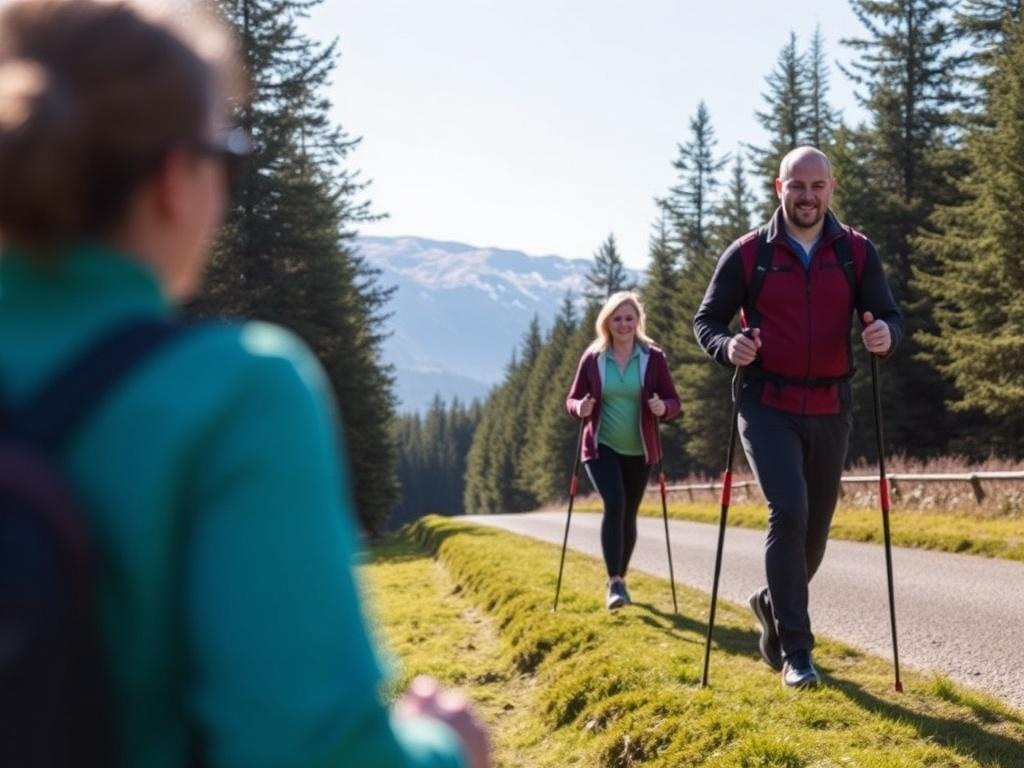
Progress is best measured with a combination of objective and subjective metrics. Objective measures include weekly minutes of Nordic walking, distance, pace, and changes in resting heart rate or walking heart rate at a given pace. These numbers show cardiovascular improvements and training volume trends over time.
Subjective measures are equally valuable: energy levels, sleep quality, mood, and how clothes fit. Take photos and measurements of waist, hips, and limbs every 2–4 weeks rather than relying solely on scale weight. Often people gain lean muscle while losing fat, so visual and measurement-based feedback provide a clearer picture than weight alone.
Set small, time-bound goals such as adding one extra 10-minute session every two weeks or increasing interval duration by 30 seconds each session. These micro-goals build momentum and make long-term adherence more likely. Consistent, measurable progression is the most reliable path to sustainable weight loss and fitness improvements.
The social side: groups, clubs, and events
Joining a group amplifies motivation, teaches technique quickly, and adds accountability. Many neighborhood parks, community centers, and outdoor clubs host Nordic walking sessions that welcome beginners. Group leaders can offer immediate feedback on form and provide varied workouts, from tempo walks to interval sessions with communal support.
Local clubs sometimes organize charity events, timed walks, or social hikes that give purpose to training beyond personal goals. Those events create camaraderie and a sense of accomplishment that extend the benefits of exercise into everyday life. The social rhythm of meeting weekly often sustains activity through seasons and life changes.
I started Nordic walking after a friend invited me to a small Saturday group, and that simple invitation changed how often I exercised. The group gave technique corrections, cheered milestones, and celebrated small improvements like a smoother arm push or a longer continuous pace. That early social connection made the difference between an abandoned hobby and a durable habit.
Real-life examples and success stories
One woman I coached lost 20 pounds in six months by combining three weekly Nordic walking sessions with modest dietary adjustments and two short strength sessions per week. The poles helped her walk longer without knee pain, and the added upper-body work improved her posture dramatically. Those physical changes reinforced her commitment, leading to sustainable lifestyle shifts.
Another participant, a former runner with joint issues, switched to Nordic walking after recurrent knee irritation. Within eight weeks his endurance improved and pain decreased enough to resume light jogging later in the year. The poles carried him through a low-impact period and preserved cardiovascular fitness while his legs healed.
These examples show that outcomes depend on consistency, realistic pacing, and combining movement with sensible nutrition. The variety of personal stories highlights a common theme: Nordic walking adapts to diverse bodies and goals, offering a bridge between rehabilitation, general fitness, and weight-loss programs.
Practical tips to stay motivated and consistent
Make sessions convenient: keep poles by the door, choose nearby routes, and schedule walks like appointments. Reducing friction—small barriers that derail activity—will increase adherence more than motivation alone. A consistent time slot, whether morning sun or evening unwind, helps create a nonnegotiable habit.
Vary routes and include interesting landmarks to keep walks mentally engaging. Mix music or podcasts with silent, mindful walks to balance stimulation and presence. Track small wins in a training log and celebrate them: a faster three-mile split, a pain-free week, or the tenth consecutive session.
Find an accountability partner or join a local club for social reinforcement. When someone expects you to show up, you’re less likely to skip sessions. If you travel, bring collapsible poles—many models pack down—so you can maintain your routine on the road and avoid losing momentum.
Common questions answered briefly
How often to train: aim for three to five sessions per week, mixing easy, moderate, and one higher-intensity session. Recovery and sleep are part of progress, so observe your energy and scale intensity as needed.
How long to see results: many people notice improved stamina and posture within two to four weeks; measurable weight changes usually appear after three to six weeks when paired with modest dietary adjustments. Consistency multiplies early gains into lasting change.
Is equipment necessary: you can start learning technique with walking sticks, but dedicated poles improve efficiency and comfort. Investing in proper poles and shoes pays off in biomechanical benefits and durability.
Further learning and resources
Look for certified Nordic walking instructors through national associations or community recreation centers. Short group clinics or private lessons accelerate skill acquisition and reduce the chance of developing bad habits. Quality instruction is an efficient investment that pays dividends in comfort, performance, and injury avoidance.
Books, online video tutorials, and local clubs are good supplementary resources. Choose instructional material from reputable organizations or experienced instructors rather than random internet clips that lack standardized technique cues. Consistent, evidence-informed learning supports efficient progress.
Finally, track science-backed metrics rather than fads: minutes of activity, heart-rate response, and objective feedback like waist measurements. Those markers reveal meaningful change and keep attention on lasting improvements instead of short-term scale fluctuations.
Nordic walking is both practical and empowering: it invites people outdoors, increases calorie burn without punishing joints, and layers easily into daily life. Whether your goal is to lose weight, relieve back pain, or simply move more with friends, a few weeks of consistent practice will show you how much this simple tool can change your daily routine. Take the poles, practice the rhythm, and let a predictable, sustainable habit deliver steady gains over time.