
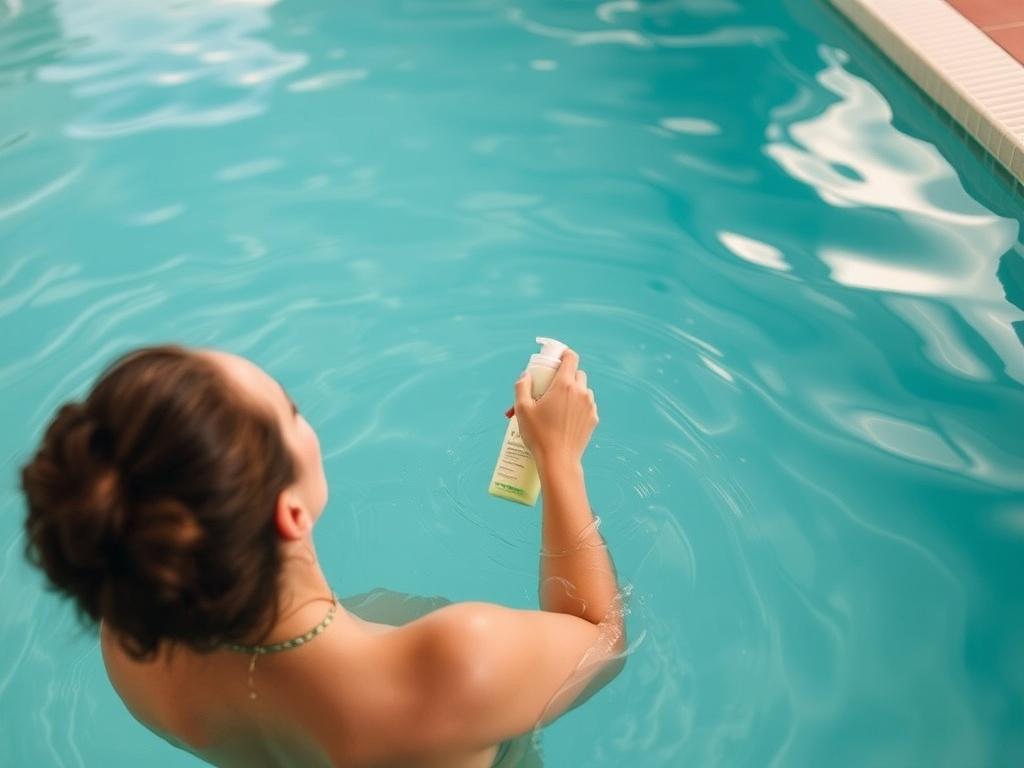
Walking into a pool is a little like stepping into another element: the water supports your weight, cools your skin, and promises a straightforward path to fitness. But that same water—chlorinated, mineral-rich, or saline—interacts with your skin, hair, eyes, and nails in ways most people never think about until irritation, dryness, or fading color shows up later.
This article dives into realistic, evidence-based care strategies for swimmers and pool-goers. You’ll find pre- and post-swim routines, explanations of how different pool chemistries affect the body, tips for hair and skin preservation, notes on gear and fabric care, and practical sample routines you can slot into your week.
I’ll use the practical Russian phrase Уход за телом в бассейне once to anchor the topic, then focus on clear, actionable guidance so you can enjoy the water without paying for it later with brittle hair or dry skin.
Why pool-specific body care matters
Water in pools contains more than H2O; it carries disinfectants, dissolved minerals, and sometimes organic debris. These elements do their job—killing bacteria and keeping water safe—but they don’t always leave your body unchanged. Over time, swimmers notice dry patches, itchy scalps, faded hair color, and puffy eyes.
Training or recreational swimming often involves repeated, frequent exposure. A casual dip once in a while is different from daily laps. If you’re in the pool several times a week, you need routines tailored to mitigate cumulative effects rather than one-off fixes.
Caring for your body around pool time isn’t indulgent—it’s preventive. The strategies that follow reduce irritation, retain skin moisture, protect hair fibers, and minimize long-term wear from frequent exposure.
How pool water affects skin and hair
Chlorine and other disinfectants oxidize contaminants to keep water sanitary, but they also strip natural oils from skin and hair. Stripped oils leave skin feeling tight and hair rough; repeated stripping makes it harder for your body to maintain its natural barrier.
Different pools use different sanitizers—chlorine, bromine, or saltwater systems—and each has a distinct effect. Chlorine is the most common and often the most drying; saltwater systems can be gentler but still desiccate; bromine is less volatile but can cause irritation in sensitive folks.
Mineral content and pH levels also matter. Hard water leaves mineral deposits that make hair feel dull and skin appear ashy, while incorrect pH increases irritation and reduces the effectiveness of swim products you might use.
Additionally, pool contaminants—sweat, sunscreen, and cosmetics—react with disinfectants to form byproducts that sometimes exacerbate sensitivity or cause discoloration of hair and fabrics.
Chlorine, bromine, and salt systems: what they do to you
Chlorine is effective and cheap, which is why it’s common. Its oxidative action removes oils and can alter hair proteins, especially if hair is chemically treated or porous. You’ll notice a squeaky-clean feeling after a chlorinated swim; that’s oil stripped away.
Bromine is more stable at high temperatures and often used in hot tubs. It’s less likely to flare a chlorine-like odor, but sensitive skin can still react. Bromine tends to be milder in terms of immediate drying, yet repeated exposure has similar cumulative effects.
Saltwater pools use a chlorine generator to produce low levels of chlorine from sodium chloride, which often results in lower, steadier chlorine concentrations. Many swimmers find them gentler, but salt can still leave hair rough and can accelerate corrosion on gear.
Pre-swim routine: small steps that prevent big problems
Preparation before entering the water changes how your skin and hair interact with pool chemistry. Simple actions reduce absorption of disinfectants and make post-swim cleanup easier.
Start with a quick rinse: wetting your hair and body before you swim reduces the concentration gradient, so your hair and skin absorb less chlorinated water. Think of it as preloading with clean water so the pool feels less invasive.
Apply a protective barrier where it helps the most. A thin layer of waterproof moisturizer or a small dab of conditioner on hair ends creates a modest shield that slows penetration. Use products designed for swimmers when possible; generic heavy creams can leave residue in the pool.
A light application of petroleum-free barrier balms on sensitive spots such as lips and around the nostrils can prevent dryness without saturating the water with thick oils.
- Pre-swim checklist: quick rinse, lightweight barrier cream or conditioner, swim-cap if you use one, and water bottle.
- Optional items: anti-chlorine shampoo stored at the pool, goggles to protect eyes, and silicone swim caps for hair protection.
In-pool hygiene and behavior
How you behave in the pool influences both personal comfort and communal health. Avoid swallowing pool water and keep contact lenses out; goggles are a smart investment for anyone who swims regularly.
Don’t jump directly into the pool after applying thick sunscreens or heavy cosmetics. If you need sun protection, use water-resistant, broad-spectrum formulas and reapply after swimming according to the product directions.
Be mindful of timing. If possible, schedule your swim sessions to avoid peak times when treatment chemicals may be higher after heavy use or when the pool has just been shocked.
Post-swim routine: immediate steps to undo damage
The first 10–20 minutes after you leave the pool are critical. Rinse off promptly with clean, lukewarm water to remove residual chlorine, bromine, or salt and any dissolved minerals that have settled on your skin and hair.
A brief, thorough shower prevents continued oxidation and helps stop the drying process before it becomes a problem. Spend extra attention on hair ends, underarms, and areas where swimwear compresses skin.
Pat dry with a towel rather than rubbing vigorously. Rubbing can exacerbate roughness and strip moisture further; gentle patting retains what little oil remains and reduces friction on wet hair and skin.
- Rinse immediately with fresh water.
- Use a swimmer-friendly shampoo or a gentle cleanser.
- Apply a leave-in conditioner or a lightweight moisturizer while skin and hair are slightly damp.
Showering techniques that help more than you’d think
Start with lukewarm water to avoid shocking skin barrier lipids. Hot showers feel relaxing, but they strip oils faster and leave skin drier in the long run.
A two-step shower can be efficient: first rinse to remove surface contaminants, then use a targeted shampoo or cleanser to address chlorine and build-up. Follow with a short cool rinse to close the hair cuticle and leave skin feeling smoother.
If your pool has strong mineral content, consider a final rinse with a diluted apple cider vinegar solution (1 tablespoon per liter of water) to help remove mineral deposits and rebalance pH on hair. Rinse it out after a minute to avoid lingering odor.
Skin care after swimming: repairing and protecting
Locking in moisture is the central aim of post-swim skin care. Reach for humectants like glycerin or hyaluronic acid and pair them with occlusives such as dimethicone or a lightweight plant oil to seal hydration in place.
Exfoliate sensibly. A gentle exfoliant once or twice a week removes dead skin that accumulates after pool exposure and helps moisturizers penetrate. Over-exfoliation, however, thins the barrier and increases sensitivity to pool chemicals.
Monitor for eczema or dermatitis flare-ups. Pool chemicals can trigger or worsen these conditions; if you notice persistent redness, itching, or cracked skin, work with a dermatologist to adjust your routine and consider using prescription barrier creams when necessary.
For hands and feet, use richer creams at night. These regions tend to dry faster and can develop calluses; wearing cotton socks after applying cream overnight helps absorption and repair.
| Ingredient | Why it helps |
|---|---|
| Hyaluronic acid | Attracts and holds water, restoring surface hydration. |
| Glycerin | Humectant that draws moisture into the skin. |
| Dimethicone | Forms a breathable barrier that locks in moisture. |
| Niacinamide | Soothes inflammation and strengthens the skin barrier. |
Hair care after swimming: sequence and products
Hair benefits from a layered approach: rinse, cleanse, treat, and protect. Start by rinsing with fresh water to remove most chlorine and salt before you reach for the shampoo, which prevents unnecessary harshness.
Use a swimmer-specific or clarifying shampoo once a week if you swim frequently. These target chlorine and mineral deposits but can be drying, so balance with moisturizing formulas the rest of the week.
Conditioners and masks matter. After cleansing, apply a hydrating conditioner focusing on the mid-lengths and ends. For deeper repair, use a weekly protein-infused mask to strengthen weakened cuticles if your hair is porous or chemically treated.
Leave-in conditioners or oil serums help detangle and create a thin protective layer. Light formulations with UV protection are valuable for outdoor swimming to reduce sun-related degradation of hair proteins and color.
- Quick rinse > gentle shampoo > rich conditioner > leave-in protectant for everyday maintenance.
- Clarifying shampoo once weekly for frequent swimmers; deep conditioning mask weekly for damaged hair.
Color-treated hair and extensions
If you have dyed or chemically treated hair, it’s more porous and thus more susceptible to chlorine and mineral absorption. Pre-swim conditioning and post-swim chelation treatments preserve color and reduce brassiness.
Extensions and wigs require special attention; salt and chlorine can degrade bonds and materials. Rinsing immediately and storing extensions properly after thorough drying prevents odor and material breakdown.
Eye, ear, and nail care after pool time
Eyes: goggles protect eyes, but if irritation occurs, rinse with saline eye drops rather than tap water. Avoid rubbing, which spreads irritants and can damage the cornea.
Ears: water trapped in the ear canal can lead to swimmer’s ear. After swimming, tilt your head and gently tug the earlobe to help water escape. Use a dry towel and, if you’re prone to infections, consider a few drops of a 50/50 mix of white vinegar and rubbing alcohol to dry and restore ear canal balance—ask your provider first if you have perforated eardrums or ear tubes.
Nails: frequent wet-dry cycles weaken nails and promote splitting. Keep nails trimmed and apply a strengthening polish or cuticle oil after swimming to keep them flexible and hydrated.
Caring for tattoos and sensitive skin
Fresh tattoos need special handling; avoid submerging in pools until fully healed because pool disinfectants and bacteria can cause infection and fade pigments. Follow your artist’s timeline, usually two to four weeks, and keep healed tattoos moisturized and protected.
For those with sensitive skin conditions like rosacea, use fragrance-free, dermatologist-approved cleansers and moisturizers. Patch-test new products away from your face before full use to avoid flare-ups triggered by residual pool chemicals interacting with skincare ingredients.
If you notice persistent reactions after swimming—redness beyond a few hours, blisters, or spreading rash—stop exposure and consult a dermatologist for tailored treatment and preventive strategies.
Children, seniors, and special populations

Children have more delicate skin and a larger skin surface area relative to body weight, which can make them more sensitive to pool chemicals. Rinse kids immediately after swimming and use gentle, hydrating products formulated for young skin.
Seniors often have thinner skin and slower barrier repair. For older adults who swim regularly, emphasize emollient-rich moisturizers, gentle cleansing, and nail/foot care to avoid fissures and infections.
Pregnant swimmers should follow general safety advice—avoid swallowing pool water, and rinse well after swimming. If you have medical devices, immunosuppression, or open wounds, check with your healthcare provider before using public pools.
For people with mobility limitations, adaptive equipment and pool lifts improve safety while allowing them to maintain consistent aquatic exercise without compromising skin integrity from prolonged wetness.
Swimwear, gear, and fabric care
Swimwear fabrics vary: chlorine-resistant swimsuits use PBT or polyester blends that hold shape and color better than traditional nylon-spandex. Rinse suits immediately and hang them to dry away from direct sun to avoid UV-related fading and elastic breakdown.
Silicone or latex caps offer better hair protection than simple lycra caps; silicone is gentler on hair and less likely to snag. Goggles with a proper fit protect the eyes and reduce the chance of rubbing and soreness.
Wetsuits and neoprene gear require careful rinsing and occasional treatment with specialized cleaners to remove salt and chlorine, which accelerate material degradation. Store gear flat or lightly folded in a cool, dry place to maintain shape.
| Material | Best use |
|---|---|
| Polyester/PBT | Chlorine resistance and color retention for regular swimmers. |
| Nylon/Spandex | Comfort and stretch, better for occasional swimming and recreation. |
| Silicone cap | Durable and protective for hair; less snagging than latex. |
Nutrition, hydration, and lifestyle factors
Hydration matters. You lose fluids when you swim, and chlorinated water can dry you out more than you expect. Drink plain water before and after sessions to support skin hydration from the inside.
Diet influences skin and hair quality. Foods rich in omega-3s, vitamin E, and protein support barrier function and hair resilience. Consider salmon, walnuts, eggs, and leafy greens as regular components of your meals if you swim frequently.
Sleep and stress management also affect how your body recovers from environmental stressors like pool chemicals. A consistent sleep schedule supports skin repair mechanisms overnight and reduces inflammation.
Common mistakes and myths
Relying only on a shower after the day’s final swim is a common mistake. Frequent exposure requires repeated, consistent care—not sporadic fixes. Make quick post-swim rituals habitual rather than optional.
Another myth is that strong-smelling chlorine is directly the chlorine itself. That smell usually comes from chloramines—reactive compounds formed by chlorine and bodily waste. Ensuring you shower before swimming and keeping the pool well-maintained reduces their formation.
People often overuse heavy oils thinking they’ll block chlorinated water; too much oil can cause hygiene problems in the pool and still won’t fully prevent chemical penetration. Lightweight, non-greasy barriers work better for frequent swimmers.
Practical weekly routines for different swimmers
Routines should match frequency and intensity. For daily lap swimmers, invest in swimmer-specific shampoos, weekly clarifying treatments, and nightly moisturizing with occlusive layers on dry spots.
Weekend recreational swimmers can keep things simple: pre-rinse, post-swim shower with gentle cleanser, and a hydrating lotion. If you only swim occasionally, focus on immediate rinsing and hydration rather than elaborate regimens.
For open-water or triathlon athletes, salt and environmental exposure add complexity. Rinse thoroughly, use chelating shampoos when necessary, and prioritize UV-protective hair and skin products to counter sun and salt effects.
- Casual swimmer (1–2x/week): rinse, shower, moisturize; clarifying shampoo monthly.
- Regular swimmer (3–5x/week): pre-rinse, swimmer shampoo twice weekly, weekly mask, daily leave-in.
- Competitive swimmer (daily): targeted barrier treatments, clarifier once weekly, consult a dermatologist for chronic issues.
Pool etiquette and public pool hygiene
Good pool etiquette protects everyone’s skin and health. Shower before entering, avoid heavy lotions that increase pool contaminants, and don’t swim with open wounds or contagious skin conditions.
Public pools are responsible for maintaining correct sanitizer levels and pH. If you notice strong odors, visible debris, or cloudy water, inform staff and avoid prolonged exposure until conditions improve.
Bring enough towels and change out of wet swimwear promptly. Lingering in wet clothes in locker rooms increases the risk of fungal infections like athlete’s foot and contributes to post-swim unpleasantness.
Long-term skin and hair health: checkups and when to see a pro
If you experience persistent dermatitis, recurring ear infections, or hair loss coinciding with swimming, it’s time to consult a specialist. Dermatologists and trichologists can identify underlying contributors and offer treatments like topical steroids, barrier repair regimens, or professional chelation for hair.
Yearly skin checks are wise for outdoor swimmers due to sun exposure. A dermatologist can track changes and recommend appropriate sunscreen and topical therapies to protect pigment and skin texture.
For chronic ear problems or if you have ear tubes, coordinate with an ENT for personalized ear care advice and safe post-swim routines to prevent infections.
I’ve coached swimmers and maintained a frequent lap routine myself for years, and the small habits—rinsing before swimming, using a lightweight leave-in, and choosing chlorineresistant swimwear—made a noticeable difference in my skin and hair resilience. Building these habits into a short checklist keeps them from feeling like chores.
Swimming should be restorative, not reparative. With realistic, consistent body care routines tailored to how often and where you swim, you can keep enjoying the water while preserving skin, hair, and overall comfort for years to come.