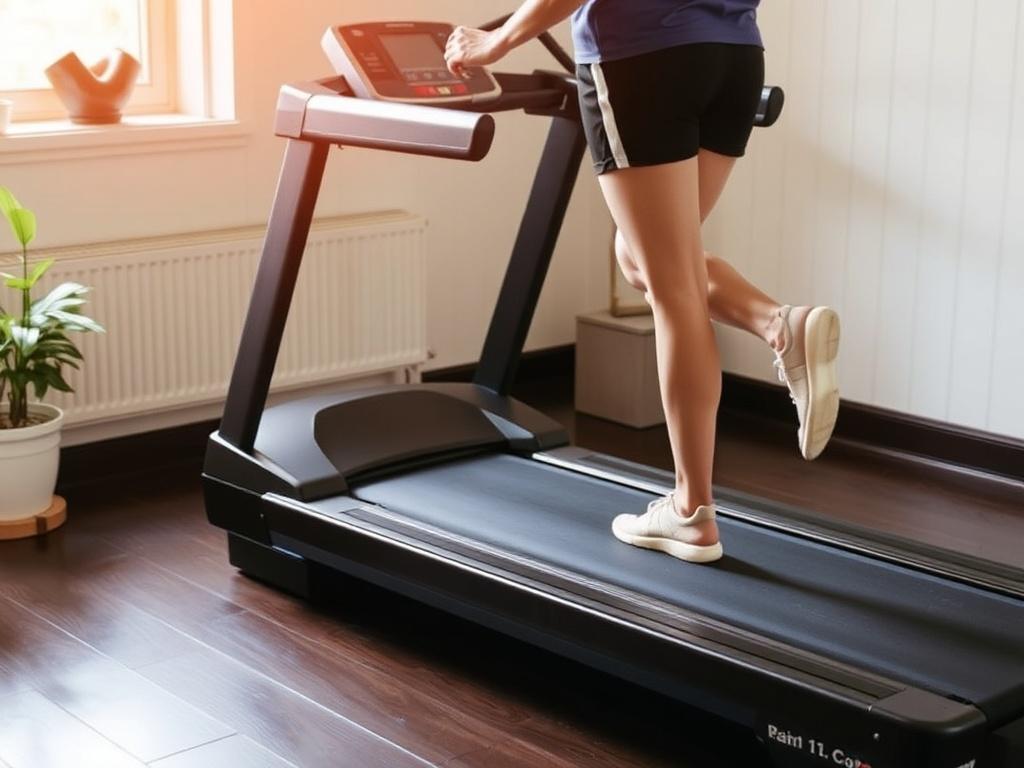
Deciding on a home treadmill can feel like standing at the foot of a very long aisle, with flashing displays and sales tags vying for your attention. If you’ve searched for Как выбрать беговую дорожку для дома or simply want a straightforward path to a smart purchase, this guide will walk you through the questions that matter. Read on for practical assessments, real-life tips, and a step-by-step checklist that saves time and money.
Why bring a treadmill into your home?
A treadmill gives you control over consistency. Weather, travel, early meetings, and safety concerns no longer decide whether you get a workout in; your treadmill does.
Home treadmills also expand the range of workouts you can do without extra equipment. Intervals, incline climbs, steady-state runs, and brisk walks are all easy to program and repeat, which helps build habit and progress.
Finally, time is often the clincher. Many people who bought a treadmill tell me they squeeze in short sessions that add up to far more than the occasional long outdoor run. Convenience wins more workouts than motivation alone.
Clarify your goals and running profile
Before comparing specs, ask what you plan to do on the machine. Will it be used for daily walking, a mixture of walking and running, heavy sprint intervals, or family use with multiple users? Your answer narrows the field quickly.
Consider your training volume and intensity. A brisk daily walk requires a very different treadmill than marathon training or interval sprints. Match the treadmill’s capacity to your intended workload.
Also think about who will use it. If household members vary in height, weight, or speed, choose a model that accommodates the largest, fastest, and heaviest user comfortably to avoid replacing equipment later.
Identify user categories
Recreational walkers: they need a stable platform, low top speed, comfortable cushioning, and a wide step area. Portability and folding features can be useful for saving space.
Regular runners: look for robust motors, wider and longer belts, better cushioning, and reliable incline mechanisms. A runner training for events benefits from higher top speed and incline range.
Serious athletes and sprint users: these buyers want high-horsepower motors, commercial-grade decks, precise speed ramping, and heavy-duty frames. For them, budget models often fall short.
Key technical features and how to judge them
Not all treadmill specifications are equal, and marketing loves to inflate numbers. Below are the features that genuinely affect comfort, safety, and longevity.
Focus on motor power, belt dimensions, deck construction, cushioning, incline, speed range, controls, and stability. Each of these shapes the feel of the run and the machine’s durability.
Motor power (horsepower matters)
Motor ratings often appear as “HP” or “continuous duty horsepower (CHP).” Continuous ratings are more meaningful than peak power for sustained use. A 2.5–3.0 CHP motor is fine for walking and light jogging, while runners should target 3.0–4.0 CHP or higher, depending on weight and training intensity.
Light users: 1.5–2.5 CHP can work for consistent walking or occasional jogging. Serious runners: 3.0 CHP and up reduces the chance of the motor struggling during long runs. Sprinters and heavy users: 4.0 CHP and above is ideal to ensure quiet, smooth power delivery and longevity.
Belt length and width
Belt size influences stride comfort. A minimum of 20 inches wide is recommended for walkers, while runners should aim for 22 inches or more to avoid feeling cramped. Belt length needs to accommodate your stride; 48 inches is the lower end for walkers, 55–60 inches suits most runners, and taller or long-stride users may want 60–65 inches.
If you’re under 5’8″, many 55-inch belts feel fine, but if you regularly run faster than a 7:30 mile pace or are taller than 6 feet, prioritize a longer belt. Narrow or short belts lead to awkward foot placement and a constant fear of stepping on the console edge.
Deck cushioning and construction
Good cushioning reduces impact force on joints and makes training more pleasant. Manufacturers use various cushioning systems—some softer for walking, some firmer for running and energy return. Test shoes on the belt yourself to judge the feel rather than trusting marketing names.
Also check deck thickness. Thicker decks generally absorb shock better and last longer before the wood or composite wears through. A well-built deck combined with a robust motor and accurate belt tracking is a formula for longevity.
Incline and decline options
Incline is a powerful training tool. Most home treadmills offer at least 10–12% incline, which is sufficient for steep hill work. Decline features are rare but helpful for race-specific training that simulates downhill running.
Electric incline is convenient and can vary during interval workouts. Confirm how quickly and smoothly the treadmill changes grades, because jerky or slow transitions can interrupt workout rhythm and feel cheap during use.
Maximum speed and acceleration
Top speed matters less than how the treadmill reaches that speed. For walkers, 6–7 mph is plenty. Recreational runners often need 10–12 mph, while sprinters want 12–15+ mph. Equally important is smooth, consistent acceleration and minimal lag when you change pace.
Look for treadmills that increment speed in small steps (0.1 mph) for precise control, especially during interval sessions. Instant jumps in speed or delayed response are frustrating and can be dangerous if you misjudge your stride.
Stability, frame, and weight capacity
A heavy, solid frame reduces wobble and noise. Lighter machines that flex or rock underfoot can feel unstable at higher speeds. Frame weight often correlates with durability, so a sturdier construction is worth the trade-off if you plan to run frequently.
Check the weight capacity and allow a margin beyond the heaviest user and any added gear. If someone in your household wears a weighted vest occasionally, account for that extra load. Overloading leads to faster wear and may void warranties.
Console, programs, and connectivity
Basic consoles provide speed, time, distance, and heart rate readouts and are perfectly adequate for many users. Advanced consoles add guided workouts, streaming, Bluetooth, Wi-Fi, and app integrations for training plans and entertainment.
Consider what you’ll actually use: if you want tutoring or scenic routes, a larger touchscreen with stable internet connectivity is useful. If you prefer silent, focused runs, a simple, reliable console might be better and easier to fix if something breaks.
Types of treadmills and their pros and cons
There’s no one-size-fits-all treadmill. Understanding the types helps you match machine character to your goals and environment.
Here are the main categories and what each does best: manual treadmills, motorized home treadmills, commercial-grade home models, folding treadmills, and curved treadmills in specialty settings.
Manual treadmills
Manual treadmills are belt-driven by your own motion, often lighter and more compact. They can provide a stronger core workout but are typically less smooth and limited in speed for serious runners.
They’re budget-friendly and low-maintenance, but if you plan regular running sessions or want steady pacing, a motorized model will feel more natural and safe.
Motorized home treadmills
These are the most common home models, balancing cost and performance. They range from budget walkers to robust runners with high-horsepower motors and durable decks. They offer the convenience of precise speed and incline control.
Choose a model whose motor and deck are rated for your anticipated usage. A mismatch—say a light motor for heavy running—shortens lifespan and leads to frustration.
Commercial-style and high-end home treadmills
Commercial-style machines borrow build quality from gym-grade equipment and can handle heavy use and intense workouts. They typically have stronger motors, larger belts, and better cooling systems to prevent overheating during long sessions.
These models cost more and weigh more, but they reduce the chance of midlife breakdowns and often come with longer warranties—worth it if you train hard or have multiple users.
Folding treadmills
Folding treadmills save floor space and are easier to maneuver for apartment living. Modern folding mechanisms can be surprisingly sturdy, but confirm that the hinge and locking features feel solid and don’t introduce wobble at higher speeds.
If the treadmill folds, test the stability when fully extended and look for hydraulic assists or secure locks. Some folding models compromise on deck thickness to save weight, so research durability.
Curved treadmills
Curved treadmills are self-powered and designed for high-efficiency running and sprint training. They’re popular for intense workouts, CrossFit-style training, and people who value a more natural running gait.
They’re expensive, take up more space, and create a distinctive running experience that not everyone loves. Expect a steep learning curve and a price premium for the technology.
Space, placement, and floor protection
Measure the installation area before buying. Allow clearance behind and beside the treadmill per the manufacturer’s recommendations, not just the machine footprint. Space for dismounting safely is essential.
Protecting the floor with a rubber mat prevents damage, reduces noise to downstairs neighbors, and stabilizes the machine on uneven surfaces. Mats also make it easier to slide the treadmill during cleaning or relocation.
If you plan to place the treadmill on carpet, check the manufacturer’s guidance about assembly and ventilation. Some motors run hotter on carpet and may require extra airflow space or an elevated platform.
Noise and apartment considerations
Noise matters in shared living situations. Motor noise, belt vibration, and foot impact can reverberate through floors and walls. Look for balanced, quieter motors and a solid deck for lower impact sound.
Rubber mats, vibration pads, and careful placement away from shared walls help. When in doubt, try the treadmill at a showroom and listen from outside the room, or check online owner reviews for consistent complaints about noise.
Budgeting: what to expect at different price points
Budget models (under $800) cover basic walking and light jogging. They often compromise on motor power, belt size, and frame solidity. These are best for occasional users or those with strict space constraints.
Mid-range machines ($800–$2,000) deliver reliable performance for regular runners and families. Expect better motors, longer belts, decent consoles, and stronger frames. These models typically offer the best value for most users.
High-end and commercial trainers ($2,000+) target serious athletes and heavy household use. They bring commercial-grade motors, premium cushioning systems, robust warranties, and advanced consoles. Buy this tier if you log many miles or need durability under heavy loads.
Warranties, service, and parts availability
Warranty terms vary widely; understand what’s covered and for how long. Look for separate coverage for motor, deck/frame, parts, and labor. Longer warranties are often an indicator of manufacturer confidence in their product.
Consider the availability of local service and replacement parts. A great warranty is less useful if the brand has no local service network or if shipping replacement parts takes months. Check owner forums and retailer policies for real-world experiences with repairs.
Testing treadmills: what to try at the store
Don’t buy a treadmill based solely on specs. Test it. Walk and run at different speeds, try incline changes, and listen for unusual noises. Wear your training shoes to get a realistic feel for cushioning and belt grip.
Ask the salesperson to demonstrate assembly and folding mechanisms. If possible, request a stamina test with multiple predisposed users to check for wobble and stability. Take note of console responsiveness and how intuitively you can change speed/incline underfoot.
Delivery, installation, and assembly considerations
Ask whether the price includes delivery, in-home setup, and removal of the old machine. Professional assembly can save time and avoid incorrect setups that reduce safety and shorten machine lifespan. If you assemble it yourself, follow manufacturer torque specs and alignment instructions carefully.
Confirm delivery protection and policies in case of damage. Inspect the treadmill thoroughly before the installers leave and record any defects immediately to preserve warranty rights. Keep original packaging for a short period in case of returns.
Used treadmills: when it makes sense
Buying used can save money, but treadmills are mechanical devices that wear with use. Check running hours if available, inspect belt and deck wear patterns, test the motor under load, and ask about prior maintenance. A professional tune-up after purchase is a good investment.
Avoid machines with visible overheating marks, frayed belts, or motors that stall on inclines. If a used treadmill has a lot of cosmetic wear but runs smoothly and comes at the right price with transport and service considered, it can be a reasonable option.
Maintenance schedule and simple DIY care
Routine care extends the life of any treadmill. Wipe sweat and dust from the console after each use, vacuum around and under the deck, and check for loose screws regularly. Small steps prevent big repairs later.
Lubricate the belt per the manufacturer’s guidance—typically every few months depending on use. Also check belt alignment and tension, and inspect the deck for uneven wear. Replace consumables like heart-rate chest straps or accessory holders as needed.
Keep an eye on the motor’s ventilation; dust buildup reduces cooling efficiency and shortens motor life. If you hear unusual sounds—grinding, knocking, or intermittent power loss—stop using the treadmill until a technician examines it to prevent further damage.
Common mistakes people make when buying a treadmill
Buying based purely on price is near the top of the list. The cheapest machine that fits your footprint might not suit your training, and short-lived savings can turn into early replacement costs.
Another mistake is ignoring belt size and motor ratings. Many buyers underestimate how important these are for running comfort and machine longevity. Also, overlooking delivery, assembly, and warranty conditions leads to headaches later.
Finally, not testing the treadmill before purchase or skipping owner reviews and forums removes valuable real-world insight. Specs tell part of the story; user experiences reveal patterns that matter for long-term ownership.
Features to prioritize and those you can fix later
Prioritize: motor power (CHP), belt length/width, deck construction, solid frame, and a warranty that matches your expected usage. These core elements affect safety and longevity and are expensive or impossible to upgrade later.
Nice-to-have but replaceable: console features, integrated programs, or streaming content. These can become obsolete or be bypassed with third-party apps and devices. You can often add a tablet holder, Bluetooth accessories, or external heart rate monitors if needed.
Comparison table: quick reference for common user types
The table below summarizes recommendations for typical users to speed your decision-making process.
| User | Recommended motor (CHP) | Belt size (W x L) | Key features |
|---|---|---|---|
| Walker / light user | 1.5–2.5 CHP | 20″ x 48″–55″ | Folding, quiet motor, basic console |
| Regular runner | 3.0–4.0 CHP | 22″ x 55″–60″ | Robust frame, better cushioning, reliable incline |
| Serious athlete / sprinter | 4.0+ CHP | 22″ x 60″+ | Commercial-grade frame, fast acceleration, precise controls |
| Apartment / shared building | 2.5–3.5 CHP | 22″ x 55″ | Noise reduction, stable deck, vibration mat |
Practical buying checklist
Use this checklist in the store or when comparing online listings to ensure you cover the essentials. Checking boxes now prevents buyer’s remorse later.
- Measure intended space and add required clearance.
- Confirm motor CHP and recommended user weight.
- Verify belt dimensions for your height and stride.
- Test for stability at target speeds and on inclines.
- Ask about warranty details for motor, parts, and labor.
- Check delivery, assembly, and return policies.
- Read owner reviews for long-term reliability reports.
- Inspect for service network and parts availability in your area.
- If buying used, request a test run and seek proof of maintenance.
- Plan for a maintenance routine and budget for replacement parts.
Real-life buying story
When I bought my first serious treadmill, I prioritized motor size and belt length after a few disappointing rentals of cheap models. The difference in smoothness and stability at tempo pace was immediate and made interval training less stressful and more productive.
Choosing a mid-range model with a strong warranty saved me money over three years because the motor never overheated and the deck required only one minor adjustment. The extra up-front investment paid off in consistency and fewer repair visits.
That experience taught me to trust solid engineering over flashy consoles. Entertainment features are fun, but structural features determine how long a treadmill will keep you running.
Where to buy: online vs. local dealer
Buying from a local dealer often means professional setup and faster service, and you can test the machine first. Dealers may also offer service plans that reduce hassle when something goes wrong.
Online shopping broadens choices and sometimes gives better pricing, but investigate shipping fees, return policies, and whether in-home assembly is included. Read the fine print and confirm warranty activation steps for online purchases.
Preparing for first use and safety reminders
Before your first run, read the manual to locate the emergency stop and understand assembly points. Warm up with dynamic stretches, set a conservative starting speed, and use the safety key the first few times until you trust the belt’s feel.
Keep children and pets away while the treadmill is in use and never leave it running unattended. Secure cords, and ensure the area behind the machine is clear to prevent accidents if someone trips while dismounting.
Energy use and long-term running costs
Treadmills draw consistent power, and stronger motors consume more electricity. If you’re budget-conscious, estimate energy costs by checking the motor’s wattage and your local electricity rates. A heavily used treadmill can add to your monthly bill.
Maintenance and replacement parts (belts, rollers, electronics) are another long-term cost. Factor these into your decision when choosing between entry-level and higher-quality models; cheaper machines may cost more in repairs over time.
Final steps: choosing with confidence
Summarize your priorities: space, user type, frequency, and budget. Match those to the treadmill’s motor, belt size, frame stability, and warranty. When the key performance features align with your intended use, the choice becomes straightforward.
If you still feel uncertain, opt for a reputable mid-range model rather than the absolute cheapest. Mid-tier machines often hit the sweet spot between reliability and cost and tend to hold their value better if you decide to resell down the line.
Whether you searched for Как выбрать беговую дорожку для дома or explored options in English, the most important step is matching product capability to your real-life needs. The right treadmill is the one that fits your training style, space, and long-term plans—and then gets used consistently.
Ready to act?
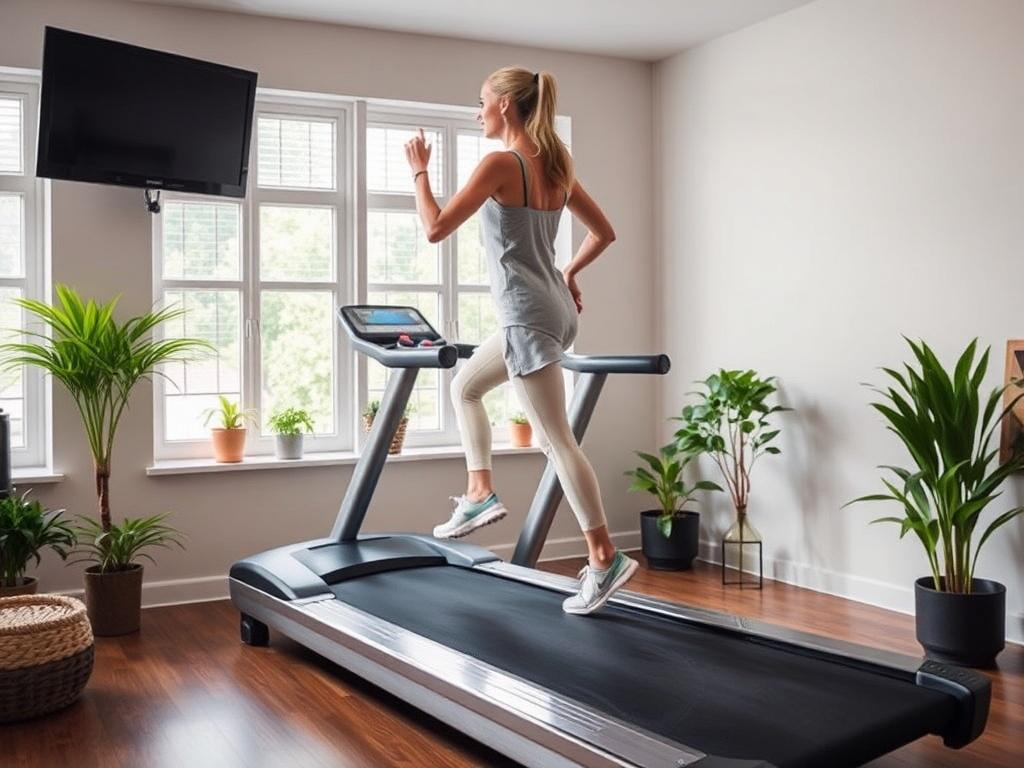
Take measurements, list must-have features, and try machines in person if you can. Use the checklist above during showroom visits or when comparing online specs to narrow options quickly and confidently.
Finally, remember that a treadmill is a tool: its value comes from consistent use. Choose one that encourages regular movement, fits your living space, and gives you a smooth, reassuring run for years to come.