
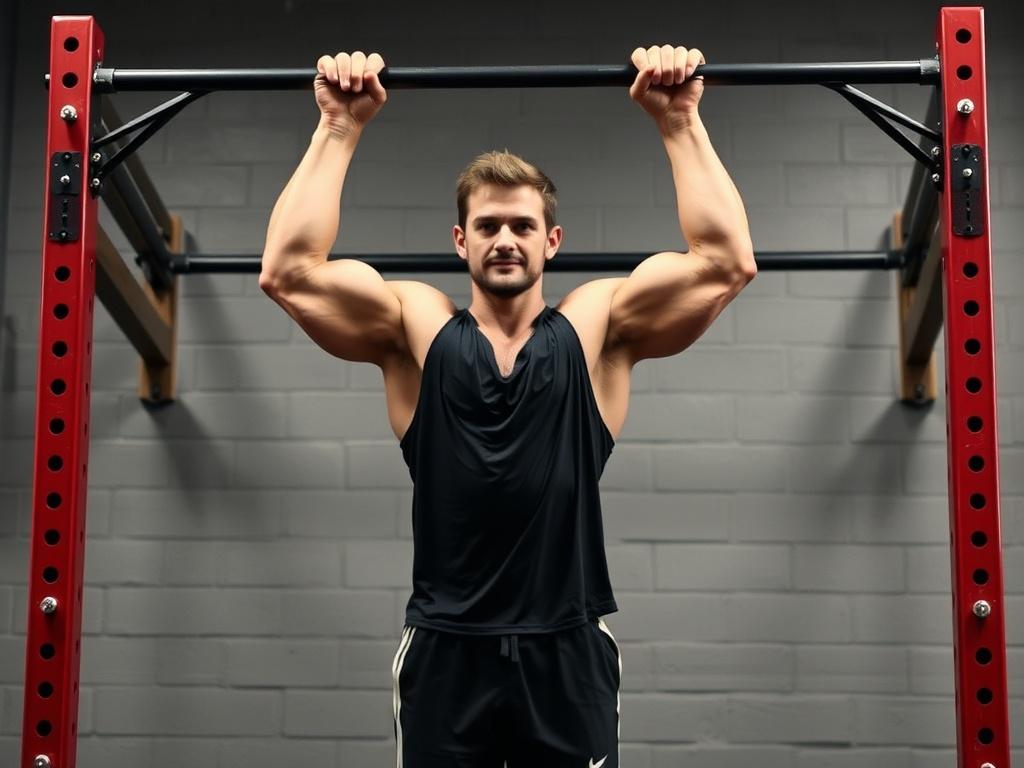
There’s a particular clarity to hanging from a bar: no machines, no settings, only your body and gravity. This article walks you through training on the pull-up bar and parallel bars, covering technique, programming, injury prevention, and skills like the muscle-up and front lever. Read on for practical routines, progressions, and a few field-tested tips I picked up training in parks and tiny home gyms.
Why train on bars: the case for simplicity
Workouts on bars are brutally honest: they reveal weak links quickly and reward consistency. Pull-up bars and parallel bars allow you to train pull and push movements, static holds, and dynamic skills with minimal equipment.
Because these exercises use whole-body tension, they improve posture, scapular control, and coordination in ways isolated gym machines rarely do. For athletes and casual exercisers alike, bar work builds durable strength that transfers to running, climbing, and everyday tasks.
Which muscles do you really work?
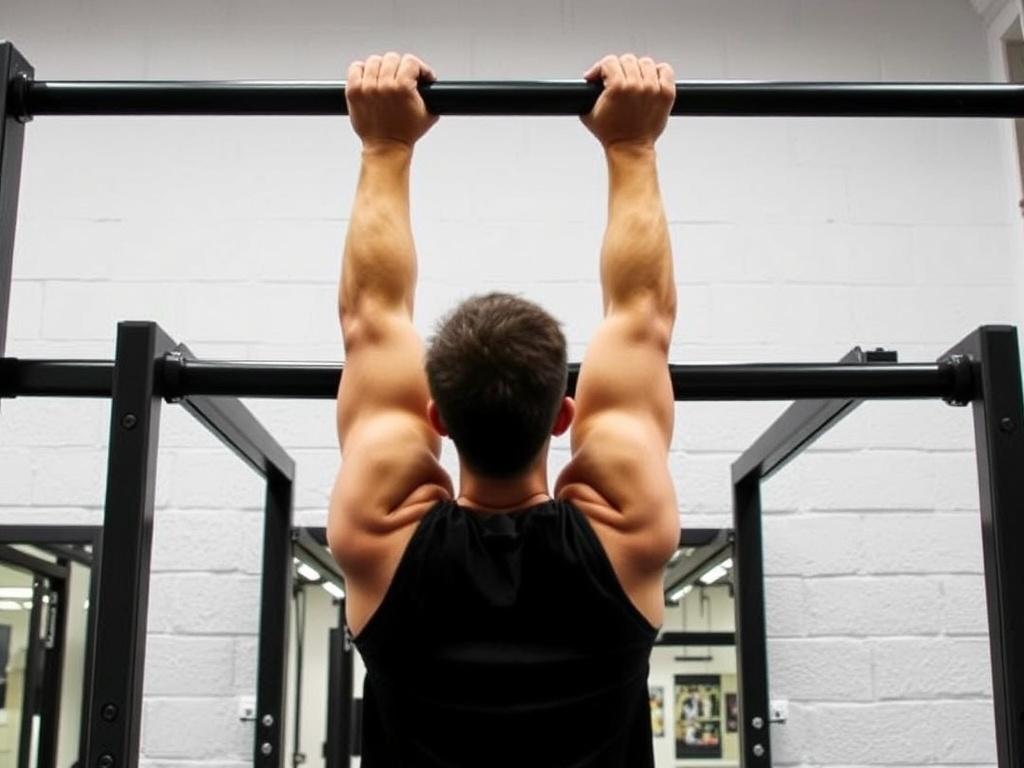
Pulling movements focus on the latissimus dorsi, teres major, rhomboids, middle and lower trapezius, and the biceps. The posterior chain — including rear delts and the spinal erectors — helps you maintain a strong, hollow body position during many calisthenic moves.
Parallel bars target the chest, triceps, anterior deltoids, and serratus anterior during dips and pressing variations. Core muscles are engaged constantly: hollow holds, leg raises, and front lever progressions demand resilient abdominals and obliques.
Equipment and setup: choosing the right bar
Not all bars are created equal. Wall-mounted or ceiling-mounted bars offer stability for heavy or dynamic work, while free-standing rigs and outdoor stations provide more space for flows and transitions.
If you’re working at home, prioritize a secure mount and sufficient clearance above and around the bar. For parallel bars, look for a height that allows full range of motion in dips without shoulder impingement and a comfortable width for L-sits.
Quick comparison: common setups
| Type | Pros | Cons |
|---|---|---|
| Wall/ceiling-mounted | Very stable, good for heavy sets | Requires installation, permanent |
| Free-standing rig | Great for whole-body flows and multiple users | Bulky, more costly |
| Outdoor park bars | Free and social, durable | Weather-dependent, variable quality |
| Door-frame pull-up bar | Inexpensive and convenient | Limited for dynamic moves, less stable |
Fundamental exercises and how to do them right

Mastering a few core movements sets the foundation for everything else. Focus first on clean technique and controlled range of motion rather than chasing repetitions.
Below I describe essential exercises and highlight common mistakes to watch for during practice.
Pull-ups and chin-ups
Pull-ups (pronated grip) emphasize the back and rear shoulder; chin-ups (supinated grip) bring the biceps into play. Initiate every rep with a scapular pull: depress and retract the shoulder blades slightly before bending the elbows.
Common errors include kipping when you aim for strict strength, flaring the elbows wide, and shrugging the shoulders. Use full active hangs and controlled negatives to build strength if you can’t do multiple strict reps yet.
Australian rows and body rows
Horizontal pulling variations like Australian rows are excellent regressions for people building vertical pulling strength. Adjust the bar height or your foot position to change difficulty: more horizontal makes it harder.
These rows teach scapular retraction and body tension without the full load of a pull-up, and they’re easy to program as warm-up or accessory work.
Dips on parallel bars
Dips target pushing strength and shoulder stability. Lean slightly forward to shift emphasis to the chest or stay more upright for triceps focus; maintain tight shoulders and controlled descent to avoid irritation.
If deep dips provoke shoulder discomfort, reduce range of motion, strengthen rotator cuff muscles, and progress with assisted dips or band support until you build comfortable depth.
Leg raises and hanging progressions
Leg raises from a dead hang develop hip flexor strength and straight-arm core tension. Start with knee raises and move to tuck raises before attempting strict toes-to-bar or pike hangs.
Brace your ribs, hollow the body, and avoid swinging. Slow negatives and isometric holds at the top will accelerate core strength gains.
Static holds: L-sit, front and back levers
Static positions are the secret ingredient in advanced bar work. An L-sit trains hip flexors and shoulder stability, while lever progressions develop full-body tension and scapular control.
Progress by shortening lever length (tuck variations), using band assistance, and layering time under tension gradually. Quality trumps duration early on: better a flawless 5-second hold than a sloppy 30-second one.
Programming basics: frequency, volume, and progression
Bar work responds well to frequent, moderate-volume training. For most people, two to four focused sessions per week allow progress while leaving room for recovery and skill practice.
Structure workouts around a primary skill (e.g., pull strength, dips, or muscle-up practice), then add accessory sets for complementary muscles and conditioning. Track sets, reps, and perceived exertion to ensure steady overload.
Weekly structure example
- Day 1: Pull emphasis (pull-ups, rows, core)
- Day 2: Push emphasis (dips, push-ups, shoulder mobility)
- Day 3: Skill & conditioning (muscle-up practice, circuits)
- Day 4: Rest or active recovery
Sample 4-week progression for beginners
This four-week plan focuses on building strict pull, push, and core strength. Start with three sessions per week and add a light mobility day if you feel tightness in the shoulders or hips.
| Week | Focus | Notes |
|---|---|---|
| 1 | Technique and base strength | Low volume, controlled reps, emphasis on form |
| 2 | Build volume | Increase sets moderately, maintain strict technique |
| 3 | Introduce progressions | Add negatives and assisted variations |
| 4 | Test and adapt | Measure max reps and adjust future weeks |
Progressions and advanced programming
Progression is not just adding reps; it’s altering leverage, tempo, and difficulty in small steps. Use micro-progressions like changing grip width, slowing eccentrics, or adding partial range holds to keep gains coming.
When you plateau, change one variable at a time: reduce rest between sets, increase time under tension, or introduce weighted variations. Track how each tweak affects technique and recovery.
Assistance and overload methods
Bands, negatives, and partner-assisted reps are valuable for bridging gaps between regressions and full movements. Eccentric training — slow controlled lowering — builds strength efficiently with less CNS fatigue.
For overload, use weighted vests or belts once you can perform clean bodyweight reps. Add weight in small increments and prioritize strict form to avoid compensatory movement patterns.
Warm-ups and mobility: protect your shoulders and elbows
A thoughtful warm-up reduces injury risk and improves performance. Include general movement to raise blood flow, then joint-specific drills for the shoulders, scapulae, and wrists.
Dynamic banded pull-aparts, scapular shrugs on the bar, and light triple-extension flows prepare the system for loaded sets. Finish with a few mobility drills for the thoracic spine and posterior shoulder capsule.
Injury prevention and common complaints
Shoulder pain and elbow tendinopathy are common in bar training. They often stem from poor scapular control, abrupt increases in volume, or excessive range under poor control.
To manage issues, scale back intensity, emphasize eccentric control, and strengthen rotator cuff and scapular stabilizers. If pain persists beyond a few weeks, seek professional assessment rather than pushing through sharp pain.
Training for specific skills: muscle-up strategy
The muscle-up looks neat but requires timing, a short burst of power, and a smooth transition. Break it into parts: explosive pull-up, transition over the bar, and a controlled dip at the top.
Work false-grip strength, high pulls, and transition drills on rings or low bars. I remember spending months on high pulls at the park before the movement finally clicked; patience and consistent volume were the deciding factors.
Front lever and planche progressions
Both front lever and planche demand rigid body-lines and cumulative strength. Train them with progressive holds: tuck, advanced tuck, straddle, and full variations, using negatives and band assistance where necessary.
These skills are slow to develop; expect months or years. Prioritize scapular depression and full-body tension drills to build the prerequisites for safe progress.
Calisthenics, aesthetics, and body composition
Bar work builds muscle and burns calories, but sculpting physique also depends on diet and overall volume. If your goal is lean muscle with visible definition, combine strength days with higher-rep endurance sessions and calorie control.
Train strength with low to moderate reps and longer rest, then include circuits or AMRAP sets for conditioning. This mix preserves strength while increasing caloric expenditure.
Outdoor training culture and community
Street workout culture around bars is energetic and social. Parks become classrooms where people trade tips, cheer progress, and attempt skills that push their limits.
I’ve learned techniques from strangers who offered one quick cue that changed my pull-up path forever. Seek out local groups or small meetups — they make training more enjoyable and keep accountability high.
Recovery: sleep, nutrition, and deloads
Muscle adaptation happens outside the gym. Aim for consistent sleep, adequate protein intake, and periodic deload weeks if volume has been high for several months.
Simple nutritional guidelines work well: prioritize whole foods, consume enough protein for repair (roughly 0.6–1.0 grams per pound for active trainees), and manage overall calories according to goals.
Sample workouts for different levels
Below are practical sessions you can try. Each is built around a main lift, followed by accessory work and a short conditioning finisher to round out training.
Beginner session
- Warm-up: joint mobility and banded pull-aparts (5–8 minutes)
- Pull: 4 sets of assisted pull-ups or Australian rows, 6–10 reps
- Push: 4 sets of assisted dips or bench push-ups, 6–10 reps
- Core: 3 sets of knee raises or hollow holds, 20–40 seconds
- Conditioning: Tabata bodyweight squats or light sprints, 4–6 minutes
Intermediate session
- Warm-up: shoulder mobility and dynamic thoracic rotations
- Strength: 5 sets of strict pull-ups, 5–8 reps (add weight when >10 strict reps)
- Dip complex: 4 sets of deep dips, 6–10 reps
- Skill: 10–15 minutes of muscle-up transition drills
- Core: 3 sets of hanging leg raises, 8–12 reps
Advanced session
- Warm-up: banded scapular work and dynamic holds
- Power: weighted pulls or explosive pull-ups, 4–6 sets of 3–5 reps
- Skill: planche or front lever progressions, 6–10 minutes total
- Accessory: ring dips or depth dips, 4 sets of 6–8 reps
- Finisher: circuit of toes-to-bar, pistol squat progressions, and sprints
How to measure progress and test yourself
Record max strict pull-ups and dips every four to eight weeks under consistent conditions. Keep a log of reps, sets, and perceived effort to identify trends and plateaus.
Also time static holds like L-sits and tucked front lever variations: small increases in hold time are meaningful indicators of neural and structural adaptation.
Common mistakes and how to correct them
Beginners often sacrifice form for volume, kipping when the goal is strict strength, or rushing progressions instead of mastering regressions. Slow down and prioritize quality of movement.
Another frequent error is neglecting mid-back and scapular work. Include banded rows, face pulls, and scapular shrugs to create balance between the front and rear shoulder chains.
Programming examples for plateaus
If you stop improving on pull-ups, try a 3-week focused cycle of negatives plus high-volume Australian rows to reintroduce stimulus. Then test strict pull-ups again under fresh conditions.
For dips plateauing, add tempo variations — slow eccentric for 5–6 seconds — and reduce weekly rep totals to let strength consolidate before increasing load again.
Practical tips for consistency
Build habits that reduce friction: keep chalk and a small towel by your bar, schedule sessions like appointments, and choose 20–30 minute days when time is tight. Short, consistent sessions beat sporadic long workouts.
Rotate between indoor and outdoor venues to combat boredom. The weather and environment can be a motivator or an excuse; plan both contingency and ideal scenarios to stay on track.
How to combine bar work with other training
Bar training complements running, cycling, and lifting well if you manage total weekly volume. Place heavy bar work on non-consecutive days or after lighter conditioning to avoid CNS overload.
If you lift weights, prioritize whichever strength modality is more important to you on a given week and keep the other as maintenance rather than maximal effort all the time.
Real-life example: a year of progress
When I began, strict pull-ups were a struggle and muscle-ups looked like a distant dream. I started with three weekly sessions emphasizing negatives, band-assisted pulls, and scapular control.
After six months of steady work, strict pull-ups became comfortable, and the muscle-up transition emerged during a warm-up one morning. It was a reminder that patience and deliberate practice compound into breakthroughs.
Equipment upgrades as you advance
As your skills grow, invest in a sturdy rig, gymnastics rings, and a quality dip station. Rings add a layer of instability and joint-friendly movement patterns that build functional strength.
A weight belt for progressive overload and an adjustable band set for assistance progressions are small purchases that deliver large returns in training options.
FAQ: quick answers to common questions
- How often should I train? Two to four focused sessions per week is ideal for most people.
- When can I start weighted pull-ups? Once you can perform 8–10 clean strict reps consistently.
- Can I learn muscle-ups without rings? Yes, but rings often make the transition friendlier for the wrists and shoulders.
- What if my elbows hurt? Reduce volume, work eccentric control, and strengthen forearm muscles; consult a professional if pain persists.
Final practice notes and motivation
Success on the bars comes from the accumulation of small, deliberate actions — five percent better techniques, ten percent more patience, and consistent logging of progress. Keep sessions focused, short when life demands it, and celebrate incremental wins.
Train with curiosity rather than urgency. The bars are a long-term craft: each rep teaches you about leverage, control, and your nervous system. Stay consistent, protect your joints, and enjoy the process of getting stronger with nothing but your body and a bar.