

If you’ve always been the skinny guy in the room, you know the frustration: you train hard but the scale barely moves, and shirts still hang like flags. This article is a practical, science-friendly road map for ectomorphs who want to gain muscle without burning out or chasing every shiny program. Read on for clear principles, a sample 12-week program, nutrition guidelines, recovery strategies, and real-world tips that actually work.
Who is an ectomorph and why it matters
The term ectomorph describes a body type with a naturally slender frame, narrow shoulders, and fast metabolism. These are general tendencies, not fate: being an ectomorph means you’ll usually need more targeted calories and a different training emphasis than someone who gains muscle easily.
Understanding your physique helps you prioritize the right variables. For ectomorphs the most important levers are caloric surplus, progressive overload, and recovery—tweaking those tends to produce bigger gains than endlessly adding cardio or chasing isolation exercises.
Common challenges faced by ectomorphs
Two consistent problems come up: being chronically hungry but unable to eat enough, and recovering slowly from high-volume workouts. Many ectomorphs also suffer from inconsistent progress because they under-eat on training days and overtrain their nervous system without enough rest.
Psychology plays a role too. Skinny lifters often compare themselves to bulkier people and mistake being lean for being strong. That leads to frustration and program hopping instead of steady, measured progress.
Core training principles for steady gains
First principle: prioritize compound lifts. Movements like squats, deadlifts, presses, and rows recruit the most muscle and give the biggest hormonal and neural stimulus for growth. A program built around compounds accelerates results for skinny lifters.
Second principle: keep workouts frequent but not excessive. Three full-body sessions per week or a four-day upper/lower split are both excellent choices, because they balance training stimulus with recovery. The goal is consistent stimulus, not daily exhaustion.
Third principle: progressive overload with patience. Small weekly improvements—adding weight, tightening technique, or squeezing extra reps—compound into real size over months. Track lifts and prioritize gradual increases rather than dramatic jumps that risk injury.
How to structure frequency, volume, and intensity

Frequency: train each major muscle 2–3 times per week. Ectomorphs respond well to slightly higher frequency because it spreads workload across sessions and prevents recovery bottlenecks. Full-body thrice-weekly or upper/lower four times per week are both effective structures.
Volume: aim for 10–20 hard sets per muscle group per week, adjusting based on recovery. Start at the lower end and increase if you’re recovering well and making strength gains. Quality trumps quantity—do fewer sets with solid form rather than many sloppy ones.
Intensity: most sets should be in the 6–12 rep range for hypertrophy, with occasional heavier sets of 3–6 reps to build strength. Rest 2–3 minutes between heavy compound sets to allow maximal performance on the next set.
Exercise selection: what to prioritize
Compound lifts first: barbell back squat, deadlift variations, barbell bench press, overhead press, bent-over rows, and pull-ups. These moves recruit multiple muscle groups and provide the largest stimulus per set, which matters when calories are precious.
Add targeted accessory work to correct weak links and add volume: Romanian deadlifts, lunges, incline dumbbell press, face pulls, and curls. Keep accessories to one or two exercises per session so workouts remain focused and recoverable.
Limit isolation to finishing work. Ectomorphs gain most from heavy, multi-joint work; isolation exercises are helpful but should not dominate the program.
Sample exercise list and ideal rep ranges
Here’s a compact list to build your weekly template. For major compound lifts use 3–5 sets of 4–8 reps for strength or 3–4 sets of 6–12 reps for hypertrophy, depending on the phase. Accessories work well in the 8–15 rep range with 2–4 sets per exercise.
- Squat (back or front): 3–5 sets, 4–8 or 6–12 reps
- Deadlift (conventional or Romanian): 2–4 sets, 4–6 or 6–10 reps
- Bench press (flat or incline): 3–5 sets, 4–8 or 6–12 reps
- Overhead press: 3–4 sets, 4–8 or 6–12 reps
- Barbell or dumbbell row: 3–4 sets, 6–12 reps
- Pull-ups or lat pulldowns: 3 sets, AMRAP (as many reps as possible) or 6–12 reps
Tempo matters. Control the lowering phase and avoid bouncing through reps; a 2-0-1 tempo (2-second eccentric, no pause, 1-second concentric) usually works well for building muscle without overtaxing the nervous system.
Progressive overload: practical systems for steady improvement
Choose a progression model that you can track. The most reliable methods are linear progression for beginners (adding small weights each session) and weekly micro-loading for intermediates (adding 1–2.5 pounds per week or small rep increases). Consistency beats complexity here.
Use simple records: log sets, reps, and RPE (rate of perceived exertion) if you like. If a lift stalls for two to three sessions, use a planned deload—reduce volume or intensity for a week and then resume with slightly lighter loads or better technique.
Another useful tactic is the 2-for-2 rule: when you can do two extra reps for two consecutive workouts on a lift, add weight next session. This keeps progress measurable and avoids unnecessary jumps.
Cardio and conditioning: what to include
Minimize steady-state cardio if your primary goal is mass; excessive cardio can push you into a caloric deficit. That said, a small amount of conditioning improves cardiac health and appetite, which helps consistent eating.
Keep conditioning short and purposeful: two 15–20 minute low-to-moderate sessions per week, or a weekly HIIT session no longer than 10–15 minutes of work. Time conditioning away from your big strength workouts to avoid interfering with performance.
Nutrition essentials for building mass
Calories are the first non-negotiable: eat in a surplus. Start with roughly +300–500 kcal above maintenance and monitor weight gain of about 0.5–1.0% of bodyweight per week. If progress stalls for more than two weeks, increase intake incrementally.
Protein matters: aim for 1.6–2.2 grams per kilogram of bodyweight (0.7–1.0 g per pound). That range supports muscle repair and growth without forcing impractical meal sizes. Carbohydrates should fill most of the remaining calories to fuel training and replenish glycogen.
Fats should make up the rest—don’t drop them too low. Healthy fats support hormones and overall health; aim for 20–30% of daily calories from fats unless a higher carb approach suits you better.
Meal timing, practical tips, and a sample meal plan
Meal timing isn’t a magic lever, but it helps with compliance and performance. Eat a carbohydrate-and-protein focused meal 1–3 hours before training and a similar meal or shake within one hour after heavy sessions to support recovery and appetite. If you struggle to eat enough, add calorie-dense snacks between meals.
Liquid calories can be a useful tool: smoothies with milk, oats, nut butter, and protein powder are easy to consume and pack a lot of calories without filling you like whole food. Use them strategically on training days or to hit surplus targets.
| Meal | Example | Approx. calories |
|---|---|---|
| Breakfast | Oatmeal with whole milk, banana, 2 eggs, tablespoon peanut butter | 600 |
| Lunch | Grilled chicken burrito bowl with rice, beans, avocado | 700 |
| Snack | Smoothie: whey, milk, oats, berries, honey | 450 |
| Dinner | Salmon, sweet potato, mixed vegetables, olive oil | 700 |
| Evening snack | Cottage cheese with fruit or whole-grain toast with almond butter | 350 |
A daily total near 2,800–3,000 kcal might be appropriate for a moderately active ectomorph, but adjust based on your size, age, and activity level. Track weight weekly and alter calories if needed.
Supplements that make sense for ectomorphs
Supplements are not required, but a few evidence-backed options help. Creatine monohydrate (3–5 g daily) improves strength and can accelerate muscle gains. Whey protein simplifies hitting protein targets on busy days.
Other useful additions include vitamin D if you’re deficient, omega-3 fish oil for general health, and a mass gainer only if you truly struggle to eat enough whole food calories. Avoid expensive fat burners or unproven mixtures—focus on the basics first.
Recovery, sleep, and stress: the invisible work

Muscle growth happens outside the gym. Aim for 7–9 hours of quality sleep per night to maximize recovery, appetite regulation, and hormone balance. Short nights add up; a consistent sleep schedule beats sporadic long sleeps.
Manage stress deliberately. High stress raises cortisol, which can impede appetite and recovery. Simple routines—walks, time with friends, or short mindfulness breaks—help maintain the hormonal environment for growth.
Active recovery is useful: mobility work, light cycling, or a short walk the day after a heavy session increases blood flow without interfering with muscle repair. Plan a full deload week every 6–10 weeks depending on how you feel and perform.
Common mistakes and how to avoid them
Mistake: training too hard and too often without eating enough. Fix this by scheduling fewer weekly sessions initially and increasing calories first. If you’re exhausted or losing weight, the program is too heavy for your current intake and recovery.
Mistake: ignoring technique to chase numbers. Poor form reduces effective stimulus and raises injury risk. Record slow-motion video of your lifts periodically; small technical fixes often unlock bigger weight increases than raw willpower.
Mistake: hopping programs every few weeks. Real progress takes months. Pick a logical plan, follow it for at least 12 weeks, and only then analyze which variables need change.
12-week beginner-to-intermediate program
Below is a clear, manageable 12-week progression that balances strength and hypertrophy. Phase 1 builds a strength base with lower reps and slightly heavier loads, phase 2 increases volume for hypertrophy, and phase 3 consolidates gains with a mix of both. Rest 48–72 hours between heavy sessions for a given muscle group.
| Week | Focus | Structure |
|---|---|---|
| 1–4 | Strength base | Full-body 3x/week; compounds 4–6 reps; accessories 8–12 reps |
| 5–8 | Hypertrophy volume | Upper/lower 4x/week; compounds 6–10 reps; accessories 10–15 reps |
| 9–12 | Intensity and consolidation | Upper/lower 4x/week; mix heavy sets and higher-rep finishers |
Example week for phase 2 (upper/lower split):
- Day 1 — Upper: Bench 4×6–8, Row 4×6–8, Incline DB 3×8–12, Face pull 3×12–15
- Day 2 — Lower: Squat 4×6–8, Romanian deadlift 3×8–10, Lunge 3×10 each, Calf raises 3×12–15
- Day 3 — Rest or light conditioning
- Day 4 — Upper: Overhead press 4×6–8, Pull-ups 4xAMRAP, DB fly 3×10–12, Biceps 3×8–12
- Day 5 — Lower: Deadlift 3×4–6, Front squat or goblet squat 3×8–10, Hamstring curl 3×10–12
- Days 6–7 — Recovery and mobility
The weekly layout offers both frequency and recovery, while phased progression ensures you aren’t always chasing max reps at the expense of muscle quality and joint health.
How to measure progress and decide when to change
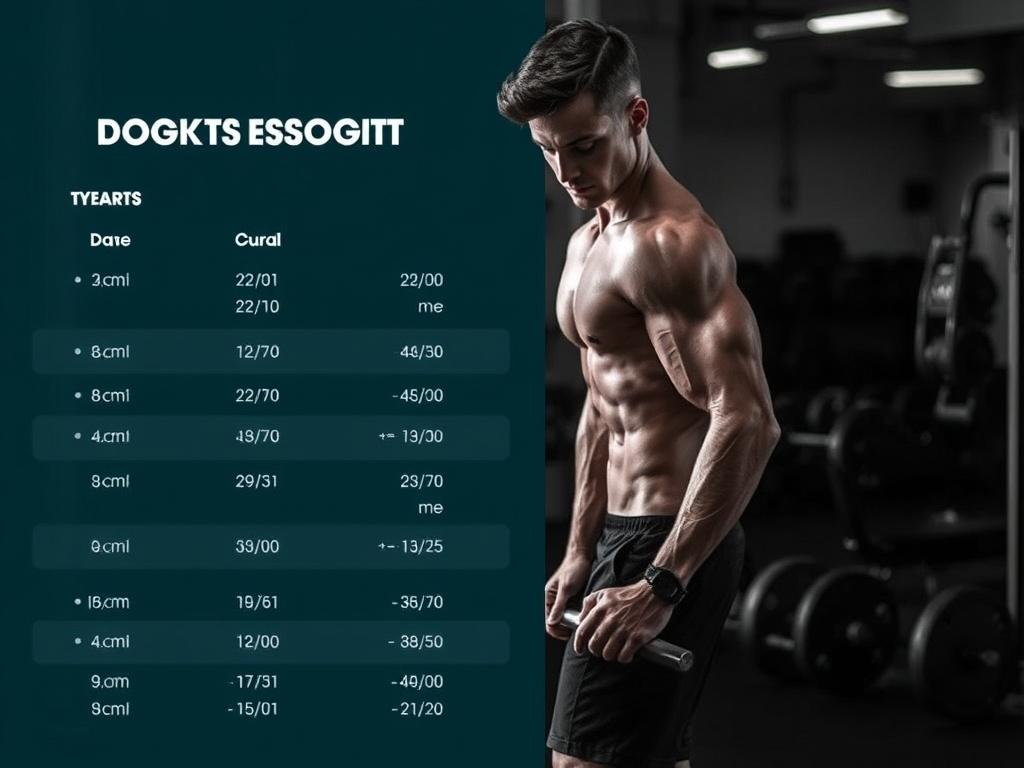
Track three indicators: strength (lifting numbers), size (bodyweight and measurements), and recovery (sleep, energy, and mood). If strength and appetite are rising, stick with the plan. If strength stalls and weight drops, increase calories and reduce training intensity.
Photos and measurements every four weeks give a clearer picture than daily scale fluctuations. Use the scale as one tool, not the final judge—sometimes water and glycogen changes mask true muscle gain for a few weeks.
Real-life example: a six-month transformation
I coached a friend, Alex, who had been naturally lean and skeptical about bulking. We prioritized a 3,500 kcal target, full-body sessions three times a week, and a single weekly deload. Alex hated eating at first, so we used smoothies and evening snacks to bridge the gap.
He tracked workouts and increased the bar slowly: 2.5–5 pound jumps on compound lifts when possible, and small week-to-week rep bumps otherwise. Within six months Alex gained roughly 12 pounds, with noticeable shoulder and leg development, and his squat and bench improved by 20–30 pounds each.
The key elements were consistency in eating, disciplined progression, and a willingness to rest when performance slipped. Anecdotes aren’t proof, but they show how the principles translate to real life when applied patiently.
Advanced strategies for continued gains
Once you’re past the beginner stage, manipulate variables smartly: increase weekly volume for lagging muscle groups, use daily undulating periodization to mix intensities, and incorporate set techniques like drop sets or rest-pause sparingly to add stimulus. These tools can unlock continued progress without constant increase in session frequency.
Consider a targeted mesocycle for weak areas (for example, a six-week arm- or back-focused block) where you temporarily add 5–10 extra sets per week to those muscles while keeping overall recovery manageable. Then return to a balanced plan to consolidate gains.
Regularly program deloads and monitor RPE. Advanced trainees often need more deliberate recovery planning than beginners, because heavier relative loads create greater systemic fatigue.
Putting it all together: a realistic checklist
Here’s a short checklist to follow every week: maintain a small calorie surplus, hit protein targets, prioritize big compound lifts, track your weights and reps, sleep well, and schedule at least one recovery day. Small, consistent wins compound into real change.
Be patient. Muscle growth for ectomorphs is possible and reliable when you control calories, prioritize heavy compound lifting, and respect recovery. The process is less glamorous than quick-fix promises, but it’s far more effective.
Start with a simple plan, measure weekly, and adjust one variable at a time. With steady application of these principles and a willingness to eat more than feels natural at first, you’ll build muscle, strength, and confidence without burning out.