
Training the chest can feel intimidating, partly because of mixed messages about what women should or shouldn’t do with their upper bodies. This guide strips away the noise and delivers clear, actionable steps you can use whether you train at home, at the gym, or with minimal equipment.
You’ll find anatomy explained in plain language, smart exercise choices, step-by-step coaching cues, and sample programs that scale with strength and time. Read on and pick the parts that fit your goals; strength training is not one-size-fits-all.
Understanding the chest: what you’re working and why it matters
The chest is made up primarily of the pectoralis major and minor. Pectoralis major is the large fan-shaped muscle you feel when you press your hands together; it has two heads that originate at different places and insert into the upper arm, so various angles emphasize different fibers.
Pectoralis minor sits underneath and stabilizes the shoulder blade. Training both pushing strength and scapular control improves posture, shoulder health, and the visual shape of the upper torso. For most women, balanced chest training also supports daily activities like lifting a child, pushing a cart, or opening heavy doors.
Real benefits of chest training for women
Strengthening the chest improves functional strength and posture, which often gets better with a few weeks of consistent training. Better posture means less neck and upper back pain for many women, and it also creates a more confident, upright presence.
Beyond appearance and posture, chest work increases overall upper-body power and helps balance muscles around the shoulder joint. That balance reduces the chance of overuse injuries from repetitive motions like typing, carrying groceries, or playing sports.
Chest training can also contribute to metabolic health. Larger muscle groups burn more energy at rest, so including effective chest exercises in your routine supports fat loss objectives when paired with sensible nutrition.
Common misconceptions and quick clarifications
One persistent myth is that women will “bulk up” unattractively if they train chest muscles. In reality, hormonal differences make significant hypertrophy difficult without focused, high-volume bulking protocols, and most women develop a toned, natural-looking musculature instead.
Another misconception is that breast tissue is muscle. It’s not. The training affects underlying musculature and posture, which can change the way clothing fits, but it won’t alter breast tissue volume directly. Exercises can, however, lift and support the chest by improving the muscles beneath.
Training principles that actually work
Effective chest work follows clear principles: prioritize progressive overload, select exercises that match your experience and mobility, and ensure balanced pulling to protect the shoulders. Progressive overload can be achieved by increasing weight, adding reps, changing tempo, or reducing rest time.
Variety matters: horizontal pressing (flat press and push-ups) hits the middle fibers, while incline pressing targets the upper chest. Include both pushing motions and horizontal abduction (fly-type movements) to stimulate the muscle fully.
Form beats ego every time. Controlled range of motion, steady tempo, and correct scapular mechanics will give you better results and fewer injuries than chasing heavy numbers with poor technique.
Warm-up and mobility: small investments, big returns
A brief, focused warm-up primes the chest and shoulders for work and reduces injury risk. Start with light cardio for three to five minutes, then move into joint rotations and band-based activation to wake up the rotator cuff and scapular stabilizers.
Dynamic mobility is preferable to long static stretching before heavy sets. Think shoulder circles, arm crossovers, band pull-aparts, and wall slides. Finish with two warm-up sets of your first pressing movement using very light resistance to groove the pattern.
Essential equipment and how to choose it
You can build a strong chest with minimal gear: a pair of adjustable dumbbells, a resistance band, and a stable surface to press from are enough for most goals. A bench and barbell expand your options, and cable machines or a pec deck are useful for targeted isolation work.
At-home alternatives work well: filled water jugs, sandbags, or a heavy backpack can substitute for dumbbells; a sturdy chair or couch edge provides support for dips or elevated push-ups. Choose tools that allow gradual progression rather than only fixed, maximal loads.
Core exercises: the foundation of a solid routine
Focus on compound movements first, then add isolation exercises to refine shape and fill in weak spots. Below are the most reliable exercises for chest development, each followed by practical coaching cues and progressions.
Push-up (standard)
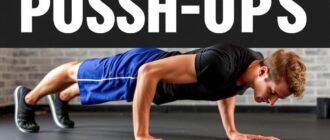
Set your hands slightly wider than shoulder-width and maintain a straight line from head to heels. Lower with control until your chest approaches the floor, keep the elbows at a 30–45° angle from the body, and drive back up using breath and full extension of the arms.
Progress by adding reps, slowing the negative, elevating the feet, or adding external load. Regress by dropping to your knees, using elevated hands, or shortening range of motion.
Kneeling and incline push-ups
Kneeling push-ups reduce load and help build technique for full push-ups. Incline push-ups done with hands on a bench or countertop move the body angle and shift stress to the lower chest while easing the load on the shoulders.
Use inclinesthroughout early training phases to accumulate volume without compromising form. As strength improves, lower the incline until you reach the floor for full push-ups.
Dumbbell bench press (flat)
Lie on a bench with feet planted and a dumbbell in each hand. Press the weights up with a slight arc so the dumbbells come together or nearly touch at the top, keeping shoulder blades retracted and a natural arch through the upper back.
Control the descent and avoid letting the elbows flare excessively. Dumbbells offer a more natural shoulder path than a barbell and recruit stabilizers effectively.
Incline dumbbell press
Set the bench angle between 20° and 35° to target the upper chest without overloading the front deltoids. The same pressing cues apply: retract the scapula, maintain tightness through the torso, and press in a controlled, deliberate manner.
Incline pressing is especially useful for improving the aesthetic line between the clavicle and the pectoral muscle, and it strengthens the shoulder region for overhead work.
Dumbbell fly (flat or incline)
Lie on a bench and, with a slight bend at the elbows, open your arms wide and lower the weights until your chest stretches comfortably. Squeeze the pectorals and bring the weights together with steady tension through the whole range.
Use moderate weight and avoid dropping too low, which can place excessive strain on the shoulder capsule. Flyes are an isolation tool that shapes the chest and adds variety to pressing-focused sessions.
Cable crossovers and single-arm cable flyes
Cables keep constant tension on the muscle and allow directed angles that free weights don’t. Stand between the stacks and pull both handles together in a controlled arc, or do single-arm variations to address asymmetries.
Adjust the pulley height to hit different fibers: high pulleys for lower chest work, low pulleys for upper chest emphasis. Maintain a strong core and avoid rotating the torso to cheat the movement.
Pec deck machine
The pec deck is an effective isolation exercise for beginners and advanced trainees alike, offering guided motion and safety. Adjust the backrest so your shoulders are in line with the pivot, and bring the arms together, focusing on pectoral contraction rather than arm movement.
Because the machine supports the body, you can concentrate on the squeeze and time under tension, making it useful late in a workout as a finisher.
Assisted dips and bench dips
Dips emphasize the lower chest and triceps; lean forward slightly to bias the chest. Begin with assisted machine dips, band-assisted dips, or bench dips depending on your current strength and shoulder comfort.
Keep range controlled and shoulder blades stable. Avoid deep dips if you have anterior shoulder pain; partial range is safer while you build strength and mobility.
Chest pullover
Pullovers stretch the chest and expand rib cage mobility while engaging the lats and serratus anterior. Lie perpendicular on a bench or flat on your back, hold a dumbbell with both hands, and lower it back behind your head before returning to the top.
Use a moderate weight and prioritize a controlled tempo. Pullover patterns are especially good for lifters who want improved breathing mechanics and upper-body openness.
Isometric chest squeeze
Hold a medicine ball or dumbbell at chest level and press the hands together as hard as possible for 10–30 seconds. This exercise activates the inner chest fibers, improves mind-muscle connection, and works well as a prelude to heavier pressing sets.
Isometrics require little space or equipment and are an effective way to boost neuromuscular recruitment on recovery days.
Step-by-step cues for safer, stronger pressing
Before each pressing set, brace your core like you’re about to take a small punch; this stabilizes your spine and creates a solid base. Retract and depress the scapula slightly so your shoulder blades form a stable platform for the pressing motion.
Breathe in before you lower the weight, exhale as you press, and maintain controlled pacing—no bouncing. Keep elbow tracking in a safe, roughly 30–45° angle to protect the shoulder joint and keep tension on the chest.
Sample programs for different experience levels
Below are three concise programs you can follow for 8–12 weeks, cycling intensity and complexity as strength improves. The table shows sets, reps, and an example exercise selection for each level.
| Level | Frequency | Example structure |
|---|---|---|
| Beginner | 2x per week | Push-up progression 3×8-12; Incline dumbbell press 3×8-10; Pec deck 2×12-15 |
| Intermediate | 2–3x per week | Dumbbell bench press 4×6-10; Incline press 3×8-10; Flyes/cables 3×10-12 |
| Advanced | 2–3x per week | Weighted push-ups 4×6-10; Barbell or heavy dumbbell presses 4×4-8; Isolation finishers 3×12-15 |
Program selection depends on goals, available equipment, and recovery capacity. Beginners focus on technique and consistent volume, while intermediates and advanced lifters manipulate intensity and variations to continue progressing.
Programming: frequency, volume, and progression
Two focused chest sessions per week are enough for most women to make steady gains while balancing recovery and other training priorities. Each session should include one heavy compound press and one or two accessory movements for 8–20 total working sets per week per muscle group.
Progress by adding weight when you can perform the top of the rep range with good form for two consecutive sessions. Alternatively, increase time under tension or add an extra set to push volume gradually without jumping weight too quickly.
Deload for a week every 4–8 weeks depending on fatigue and life stressors. Reduced training intensity during a deload helps maintain gains and prevents overuse injuries.
Injury prevention and smart modifications

If you have shoulder pain, prioritize rotator cuff and scapular stabilization work before heavy pressing. Band external rotations, face pulls, and prone Ys strengthen the supporting muscles and often reduce pain when performed consistently.
For those with a history of chest surgery or breast implants, consult a medical professional before heavy pressing and focus initially on gentle ranges of motion and isometric work. Modifications such as reduced range, neutral grip dumbbells, and machines can provide safer options while you regain strength.
Pregnancy and postpartum periods call for individualized approaches, too. Controlled pressing with attention to breathing, core engagement, and avoiding excessive breath-holding is important. Professional guidance is strongly recommended for these phases.
How to combine chest work with the rest of your training
Chest exercises pair well with triceps, shoulders, and back work. An efficient split might pair chest with shoulders and triceps on one day, and back and biceps on another, ensuring balanced push/pull ratios across the week.
Training full body twice weekly is another effective option, placing a couple of chest-focused sets on each session for consistent stimulus without overloading a single day. Choose the format that fits your weekly schedule and recovery.
Tracking progress and avoiding plateaus

Keep a simple training log with weights, sets, and reps for each exercise. Small, consistent wins—an extra rep, a small weight increase, or better technique—add up quickly and are easier to achieve when you measure them.
If progress stalls, vary one of the following: tempo, set volume, exercise selection, or rest intervals. Sometimes the simplest change—no more than a slight shift in angle or grip—reawakens growth without dramatic alterations to the program.
Nutrition and recovery for muscle growth
Muscle growth requires calories and sufficient protein. Aim for a daily protein intake of roughly 0.6–1.0 grams per pound of body weight, adjusted for activity level and goals, and ensure you’re getting enough total energy to support training demands.
Sleep and stress management matter as much as the gym. Most people build more effectively with consistent 7–9 hours of quality sleep and deliberate stress recovery like light movement, mobility, and active rest days.
Common mistakes and how to fix them
One frequent error is overreliance on machines and neglecting free-weight stability work. Machines are useful, but free weights and bodyweight patterns train stabilizers and functional strength that translate better to everyday movement.
Another mistake is too much volume too soon. Rapidly doubling sets or frequency often leads to fatigue and technique breakdown. Increase load or volume gradually and listen to recovery cues like persistent joint soreness, sleep disruption, or declining performance.
Finally, neglecting the back is common when you chase chest aesthetics. For shoulder health and balanced posture, include horizontal and vertical pulling work every week to counterbalance pressing.
Author experience: what I’ve seen work
As a coach, I’ve guided dozens of women through chest training programs, from newcomers nervous about push-ups to athletes refining competition lifts. The most successful clients focused on consistency, technique, and gradual progression rather than dramatic quick fixes.
One client started with incline push-ups and light dumbbell presses because she couldn’t do a full push-up. Within 10 weeks she was doing weighted push-ups and felt a noticeable change in posture and confidence. The key was steady, small increases and a focus on form, not chasing heavy numbers too soon.
Another athlete used high-rep cable work as a finisher and found it helped shape the chest without aggravating a previously injured shoulder. Tailoring exercise selection to comfort and function produced the best long-term results.
Simple weekly example you can try this week
Pick two nonconsecutive days and follow this short, effective template: warm-up, one main press, one accessory press, one isolation finisher. Keep total exercise time under 45 minutes and focus on slow, controlled reps.
- Warm-up: 5 minutes cardio + band pull-aparts and push-up warm-ups
- Main: Incline dumbbell press 3 sets of 8–10
- Accessory: Dumbbell bench press 3 sets of 8–12
- Finisher: Pec deck or cable fly 2–3 sets of 12–15
Track the weights and aim to add a small amount of volume every week. If time is tight, reduce to one working set per exercise and maintain intensity.
When to see a professional
If you experience sharp or persistent pain during pressing motions, especially in the front of the shoulder, consult a qualified clinician. Pain can be a sign of underlying issues like tendinopathy, labral irritation, or joint instability that benefit from early professional assessment.
A certified strength coach or physical therapist can also design tailored progressions after injury, pregnancy, or surgery. Personalized programs often accelerate safe return to full training and address compensatory movement patterns.
Putting it into practice: what to do next
Start by choosing two chest-focused sessions this week and try the simple template above. Use light to moderate loads that allow you to maintain clean technique, and remember that small, consistent progressions beat sporadic, intense efforts.
Keep the Russian phrase you asked about in mind: Упражнения для грудных мышц у женщин can be practical, safe, and effective when applied with common-sense programming. Use it as a reminder that exercises should be chosen to fit the individual, not the other way around.
Last practical tips and final thought
Be patient with the process and celebrate non-scale wins: improved posture, easier push-ups, and better posture in photos. Strength is a long-game investment that pays back in confidence, function, and resilience.
Pick a handful of the recommended exercises, commit to consistent sessions, prioritize form, and adjust volume to your recovery. Over time you’ll notice not just physical changes, but a stronger, more capable upper body that supports everything you do.