
Interest in training inside hyperbaric environments has crept from niche therapy rooms into sports clinics and high-performance centers. The idea of deliberately exposing the body to increased atmospheric pressure while exercising sounds futuristic, but it has a simple physiological premise: change the environment to change the response.
Below I describe how these sessions work, who might benefit, the science behind the claims, safety considerations, and practical steps for anyone thinking about trying this approach. The Russian phrase Тренировки в барокамере appears here as the subject that ties clinical practice, athletic ambition, and curious experimentation together.
what is hyperbaric training and how does it differ from standard HBOT?
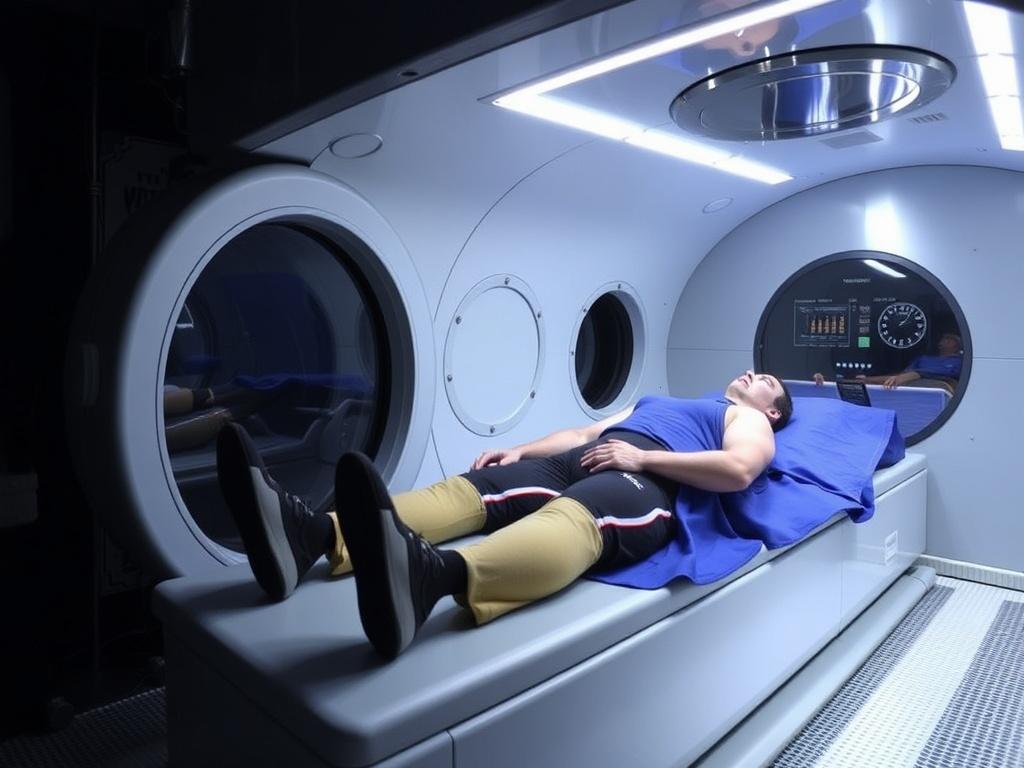
Most people who’ve heard of hyperbaric oxygen therapy picture a patient lying still inside a clear cylinder while pure oxygen floods the air. That passive therapy is used for specific medical indications and involves elevated ambient pressure with high oxygen partial pressure.
Hyperbaric training borrows the same chamber environment but layers exercise or targeted physical activity on top of it. Instead of simply resting, an athlete might perform low-intensity cycling, resistance work with bands, or mobility drills while the ambient pressure and inspired oxygen are higher than normal.
The combination aims to produce unique physiological stimuli: increased oxygen availability, altered gas exchange, and mechanical loading differences due to pressure. In practice, some sessions are mostly passive recovery while others include actual training routines adapted to the confined space and safety rules.
a short history: from decompression to deliberate exposure
Hyperbaric chambers originated in the 19th century for mining and later for treating decompression sickness in divers. Medical applications expanded through the 20th century to include wound healing, carbon monoxide poisoning, and certain forms of tissue ischemia.
Interest in using pressurized oxygen for athletic recovery and performance is more recent. Clinicians and coaches began experimenting with using the chambers not just for clinical conditions but to support training load management, speed recovery, and potentially enhance adaptation.
how pressure and oxygen change the body: physiology in plain language
When pressure increases, more gas dissolves into body fluids—that’s Henry’s law in action. At modest elevations above sea level pressure, tissues can hold slightly more oxygen than they would breathing ambient air at one atmosphere.
Higher dissolved oxygen improves the gradient for oxygen diffusion into hypoxic tissue and may aid mitochondrial function and recovery. This effect is not infinite; it plateaus and depends on exposure time, pressure level, and the actual inspired oxygen fraction.
Other physiological responses are less obvious. Elevated pressure alters nitrogen handling and can change gas bubble behavior in tissues, which is relevant to divers. It also affects fluid shifts and sometimes cardiac preload, meaning heart and vascular responses deserve attention during exercise inside a chamber.
Finally, the environment itself—sound, confinement, humidity, temperature—modifies stress and comfort levels, and these psychological factors influence perceived exertion and recovery just as much as the physiological changes.
how a training session is structured
Sessions usually begin with a medical screen and a short briefing. Operators check for contraindications, explain ear-clearing techniques, and outline emergency procedures before the chamber doors close.
Compression follows. Pressure is increased gradually to a preset level—common training pressures range from 1.3 to 2.0 atmospheres absolute (ATA), depending on goals and safety protocols. Compression can last several minutes and is one of the moments where participants must equalize middle-ear pressure to avoid discomfort.
Once at set pressure, the training component starts. Exercises are typically low-impact: cycling on a small ergometer, resistance bands, mobility work, or breathing drills. High-intensity or heavy-load lifts are uncommon due to space, safety, and physiological considerations.
The decompression phase is as important as compression. Pressure returns to baseline slowly to prevent barotrauma and eliminate residual inert gas gradients in a controlled manner. When done properly, the whole session—compression, activity, decompression—may last between 60 and 120 minutes.
types of chambers and what they mean for training
Not all chambers are the same, and the type influences who can train, what exercises are possible, and how oxygen is delivered. Broadly, facilities use three main kinds: monoplace, multiplace, and portable soft chambers.
Monoplace chambers fit a single person and are often pressurized with 100% oxygen. They are clear cylinders and can feel confining but provide a controlled environment where the patient breathes enriched oxygen directly. For training, space is limited, so only minimal movement is possible.
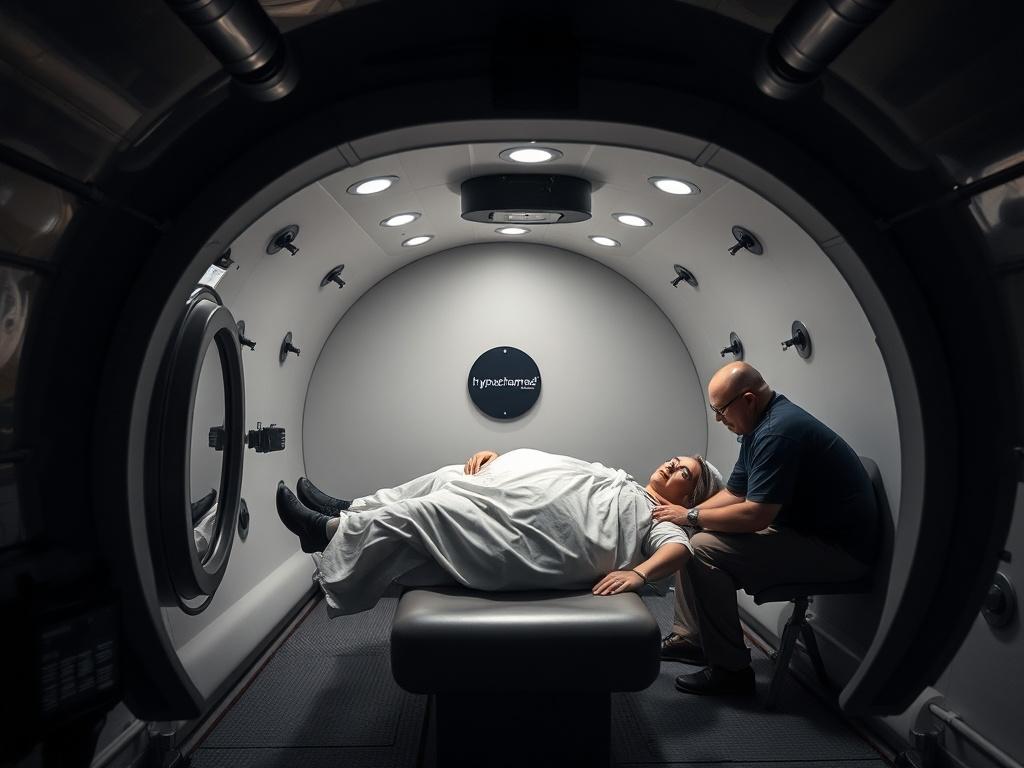
Multiplace chambers hold multiple people and are pressurized with air; staff can enter in normal clothes. Oxygen is delivered through masks or hoods if higher inspired fractions are required. Their larger volume makes them more suitable for guided training sessions or rehabilitation exercises.
Portable soft chambers are flexible, lower-cost units that raise ambient pressure modestly. They are used more frequently in research or experimental athletic contexts. These units are easier to transport and sometimes used for short exposures, but they offer less precise control than rigid chambers.
comparison table: chamber types at a glance
| Chamber type | Typical pressure range | Oxygen delivery | Training suitability |
|---|---|---|---|
| Monoplace | 1.3–3.0 ATA | Often 100% O2 ambient | Limited movement; good for passive HBOT or breathing exercises |
| Multiplace | 1.2–2.8 ATA | Air ambient; O2 via masks/hoods | Better for guided movement and small-group training |
| Portable soft | 1.1–1.5 ATA | Ambient air enriched in some setups | Experimental training; convenient but less precise |
common protocols and practical session parameters
Protocols vary widely depending on the goal. A typical recovery-focused session might use 1.3–1.5 ATA for 60 minutes with ambient oxygen slightly enriched, while a therapeutic HBOT session for a wound could use higher pressures and pure oxygen for longer durations.
Exercise intensity usually stays low to moderate. Coaches and clinicians often prescribe cycling at an easy cadence, light resistance training, or breathing/neuromuscular exercises. This approach reduces the risk of adverse events and keeps cardiovascular demand controlled in a pressurized space.
Frequency is another variable. Some athletes use chamber sessions two to three times per week during heavy training blocks, while others reserve them for acute recovery after competition. Long-term programs are rare and should be guided by measurable outcomes, not anecdote.
Importantly, protocols require individualized adjustments. Age, medical history, current training load, and the specific chamber’s characteristics all influence pressure selection, oxygen fraction, and duration.
potential benefits supported by evidence
Claims around pressurized training include faster recovery, reduced inflammation, improved sleep, and even faster adaptation to certain stimuli. The biological plausibility exists; increased tissue oxygenation can support metabolic recovery and cellular repair mechanisms.
Clinical literature supports HBOT for a few clear indications like decompression sickness, certain infections, and wound healing. When it comes to athletic performance and recovery, evidence is mixed: some controlled trials show modest benefits on subjective recovery and markers of muscle damage, while others find no clear advantage over active recovery strategies.
One potential advantage is the placebo and novelty effect. Athletes who believe they are doing something cutting-edge often report improved readiness and reduced soreness, and that subjective improvement can translate into better training quality.
Another realistic benefit is logistical: when used as part of a recovery toolkit—sleep optimization, nutrition, and reduced training volume—chamber sessions offer a structured period of low-load activity that can accelerate perceived recovery without increasing mechanical stress.
However, the magnitude of any direct performance-enhancing effect remains uncertain. There is no robust evidence that routine training inside a pressurized chamber will reliably improve VO2max or increase competitive outcomes absent other solid training stimuli.
In short, the environment can assist recovery and offer supportive physiological effects, but it is not a magic shortcut. Coaches should view it as one tool among many rather than a single solution.
athletic applications: who might try this and why
Endurance athletes often explore hyperbaric sessions to speed recovery between interval sets or races. Reduced muscle soreness and quicker repair could help maintain higher training loads during demanding periods.
Team-sport athletes sometimes use short chamber sessions after matches to reduce soreness and accelerate readiness for the next fixture. The low-impact setting also helps athletes maintain neuromuscular patterns without imposing heavy mechanical loads.
Strength athletes use the chamber less for heavy lifting and more for recovery and oxygenation. Some employ breathing training or mobility work in the chamber to aid central nervous system recovery after intense sessions.
Finally, divers and high-altitude athletes may use chambers for specific conditioning or as part of decompression protocols, where expertise about gas kinetics makes a real difference.
clinical and rehabilitation uses that overlap with training
Many rehabilitation applications occur in multiplace chambers where therapists can work with patients during pressurized exposure. Postoperative wound healing, chronic non-healing ulcers, and radiation-induced tissue damage are examples where HBOT shows benefit.
Rehab and performance intersect when clinicians use pressurized sessions to facilitate early low-impact movement without compromising tissue oxygenation. Athletes recovering from soft-tissue injuries might do guided mobility and neuromuscular training in the chamber to maintain movement patterns while protecting healing tissues.
When integrated thoughtfully, these sessions can preserve range of motion and motor control while allowing tissues to receive more oxygen—conditions that may support healing when combined with appropriate load progression.
safety, side effects, and who should avoid it
Hyperbaric sessions are generally safe when conducted by trained personnel following established protocols. The most common side effects are barotrauma to the middle ear and sinus pressure problems during compression or decompression.
Less common but serious risks include oxygen toxicity seizures at very high inspired oxygen concentrations and pulmonary oxygen toxicity with prolonged exposures. Claustrophobia is a real limiting factor for some people, and anxiety can escalate during pressure changes.
People with untreated pneumothorax, certain types of ear surgery, recent upper respiratory infections, or specific lung conditions are typically advised against pressurized exposure. Pregnancy and some uncontrolled medical conditions also require caution.
- Contraindications often include untreated pneumothorax, recent ear surgery, and severe COPD with bullae.
- Relative contraindications can include high fever, uncontrolled seizure disorder, and certain optic or pulmonary conditions.
- Always undergo a medical screening before the first session and inform staff about all medications and recent procedures.
When in doubt, consult a clinician with hyperbaric medicine experience. Facility staff should perform a pre-session assessment to reduce risk and adapt protocols to the individual.
practical considerations: ambience, equipment, and logistics
Training in a pressurized space comes with practical constraints. Movement is limited, noise levels can be higher, and many chambers have only simple exercise equipment like small stationary bikes or resistance bands.
Clothing choices matter: synthetic materials that off-gas or cause static should be avoided. Facilities usually supply or advise specific attire for hygiene and safety. Personal items such as mobile phones, watches, and anything that can produce sparks are restricted depending on oxygen levels.
Staffing is also critical. Multiplace chambers require attendants who can monitor participants and provide immediate assistance. Even in monoplace chambers, remote monitoring and clear emergency protocols must be in place.
Finally, consider timing within your training cycle. Using sessions strategically around heavy competition or during intensified training blocks tends to yield better integration than sporadic use driven by curiosity alone.
my personal experience and observed outcomes
I’ve used a multiplace chamber several times following marathon races when my goal was rapid turnover in subsequent weeks. The sessions were calm: light pedal work and breathing exercises while technicians monitored vitals and pressure curves.
I noticed reduced perceived soreness and a quicker willingness to take harder intervals three to five days after the race, compared with races where I did no chamber sessions. That subjective improvement didn’t translate to dramatic performance gains, but it helped me maintain training consistency.
Another real-world example: a collegiate soccer team used short post-match chamber sessions during a congested fixture period over two seasons. The staff reported fewer missed practices due to muscle soreness, although injury incidence did not change notably. Coaches used the chamber as a recovery adjunct rather than a primary intervention.
designing a training plan that includes pressurized sessions
Start with clear goals. Are you targeting recovery, accelerating rehabilitation, or experimenting with an adaptive stimulus? Each aim demands a different pressure, duration, and frequency.
For recovery, low-to-moderate pressure (around 1.2–1.5 ATA) for 45–75 minutes once or twice per week often suffices. Emphasize passive or low-intensity activity that preserves neuromuscular control without adding mechanical stress.
In rehabilitation contexts, coordinate with physical therapists to combine targeted exercises for range of motion with appropriate decompression schedules. These sessions might be shorter but more frequent, with careful progressions based on tissue healing milestones.
Always build in measurement. Track subjective readiness, soreness scales, sleep quality, and objective training metrics like power, heart rate variability, or jump height. If a measurable benefit does not appear over a planned trial period, reevaluate the cost–benefit of continued sessions.
sample protocol: a conservative starter plan
Week 1–2: 1.3 ATA, 60 minutes, two sessions per week, low-intensity cycling or mobility work. Focus on equalizing ears and adapting to confined environment. Monitor symptoms and perceived recovery.
Week 3–4: Maintain pressure and duration if tolerated; add one session of guided breathing and neuromuscular control work. Continue subjective and objective monitoring and adjust based on recovery markers.
measuring outcomes: what to track and why
Good monitoring separates placebo from real adaptation. Track training load with objective tools—GPS, power meters, or session RPE—and measure outcome variables like sprint times, jump height, or time to fatigue in lab tests.
Subjective scales matter too. Sleep quality, daily soreness ratings, and perceived readiness often reflect recovery states that objective measures miss. Combine both to form a clearer picture.
common myths and misconceptions
Myth: More pressure always equals better results. Not true. Diminishing returns and increased risk appear at higher pressures, and the optimal dose depends on the goal and individual tolerance.
Myth: Training in a chamber will dramatically increase VO2max. Hyperbaric exposure can temporarily increase tissue oxygenation, but meaningful gains in maximal aerobic capacity require established training stimuli like progressive overload and specific endurance work.
choosing a facility: a practical checklist
Pick a center with certified hyperbaric technicians and clear medical oversight. Credentials matter: experienced staff reduce risk and can tailor sessions intelligently.
Inspect safety protocols. Ask about emergency procedures, oxygen handling, ear-clearing instruction, and decompression charts. A facility that documents its procedures and provides pre-session briefings demonstrates professionalism.
Check equipment condition and the types of chambers available. If you plan to perform movement-based training, confirm space and the availability of appropriate exercise gear inside the chamber.
costs, insurance, and accessibility
Cost per session varies widely by region and facility type. Expect single-session prices to range from modest clinic fees to several hundred dollars in high-end sports centers. Package pricing often reduces per-session cost.
Insurance usually covers HBOT only for approved medical indications and not for athletic or general recovery use. Budget realistically if you plan long-term integration into your training routine.
ethical and regulatory considerations
Regulatory frameworks differ between countries. In many places, HBOT is a regulated medical therapy and should be delivered under medical oversight. Using chambers for non-medical athletic training sometimes crosses unclear regulatory boundaries.
Ethically, practitioners should avoid overstating benefits and must obtain informed consent that explains uncertainty, potential risks, and alternative recovery strategies. Transparent communication protects athletes and maintains professional standards.
where the research is heading
Future studies are shifting from small, single-center trials toward larger, controlled designs that compare chamber sessions with matched active recovery protocols. Researchers are focusing on dose–response relationships and which athlete populations might show the largest benefit.
Technological advances—portable chambers, better oxygen-delivery systems, and integrated monitoring—are likely to make carefully controlled trials easier and will help clarify if pressing the advantage is worthwhile for specific sports situations.
final practical tips before you try a pressurized training session
Start conservatively: lower pressures, shorter durations, and supervised sessions until you know how your body tolerates the environment. Prioritize ear equalization techniques and report any unexpected symptoms immediately.
Integrate chamber sessions into an overall recovery plan rather than as a standalone fix. Sleep, nutrition, load management, and smart progression remain the primary drivers of adaptation; the chamber can be a helpful supplement when used deliberately.
Training inside a pressurized environment has intriguing potential: it provides a different stimulus and a controlled setting for low-load activity and recovery. For some athletes and patients the effects are meaningful; for others the benefit is small or transient.
If you decide to explore this route, do so with clear goals, medical oversight, and realistic expectations. With careful use and proper monitoring, pressurized sessions can be a useful tool in the arsenal—not a replacement for the fundamentals of good training and recovery.