
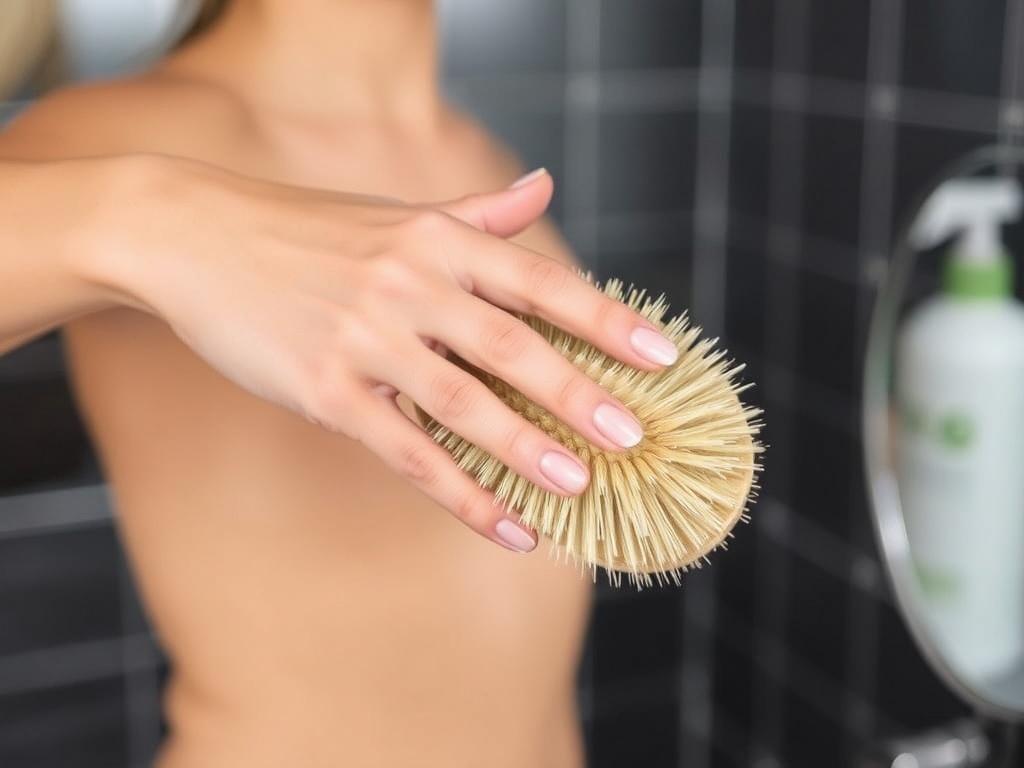
Start here if you want a simple ritual that invigorates the skin, has a low learning curve, and fits easily into a busy life. Dry brushing has been practiced, in various forms, for decades and recently resurfaced as a practical, noninvasive way to refresh the body. If you’ve ever wondered about Уход за телом с помощью сухой щетки, this article will take you through the why, how, and what to watch for so you can begin safely and confidently.
What dry brushing really is and where it came from
Dry brushing is the practice of using a natural-bristle or synthetic brush on dry skin to slough away dead cells, stimulate circulation, and encourage lymphatic movement. The technique is deceptively simple: you work from the extremities toward the heart in long, sweeping strokes. That simple pattern is essential because it follows the direction of blood flow and lymph drainage.
The exact origins are mixed. Variants of skin-brushing appear across cultures: ayurvedic practitioners have recommended similar routines for centuries, and European spa traditions adopted brushing as part of dry body treatments. The modern wellness movement repopularized it as an at-home ritual that claims both cosmetic and systemic benefits.
How dry brushing affects your skin and body
At the surface, dry brushing removes loose dead skin and helps smooth rough patches, which can make moisturizers absorb better and leave the skin looking more even. The mechanical action of the bristles lifts flaking skin, clears pores, and stimulates the tiny capillaries just under the epidermis, creating a temporary rosy glow. It’s a simple exfoliation method that doesn’t require water or chemical exfoliants.
Under the surface, the most discussed effect is lymphatic stimulation. The lymphatic system doesn’t have a central pump like the heart; it depends on muscular movement and external pressure to move lymph fluid. Brushing in the proper direction may support this movement, helping the body process fluids and metabolic waste more efficiently, at least in theory and anecdotally.
Benefits people report and which claims are supported
Many people notice immediate cosmetic changes: softer skin, reduced appearance of dry patches, and an energized feeling after a quick session. These benefits are the most reliable and are supported by the simple, mechanical action of rubbing away loose skin. Improved product absorption after brushing is also easy to observe when oil or lotion sinks in faster and lasts longer.
Other claims—such as dramatically reducing cellulite or causing significant detoxification—are less solid scientifically. Small improvements in circulation and lymph movement are plausible, but large, permanent changes to skin structure or systemic detox require more evidence. Still, the ritual value, the boost to circulation, and the sensory pleasure make it worthwhile for many people.
Choosing the right brush for your skin
Not every brush suits every person. Brushes differ by bristle firmness, material, shape, and handle length. Natural bristles—like those from boar hair, tampico, or sisal—tend to be firmer and are preferred by many for body work, while synthetic bristles can offer a gentler option, are easier to clean, and are often chosen for sensitive skin or vegan preferences.
Look for a brush with a comfortable handle or strap so you can reach your back and shoulders without straining. Some people prefer long-handled models for reach and leverage, while others like compact handheld brushes for greater control on thighs, arms, and the abdomen. The right brush will feel firm but not painful when you use it with light pressure.
| Brush type | Typical firmness | Best for |
|---|---|---|
| Boar/natural bristles | Firm | Normal to oily skin, strong exfoliation |
| Sisal/tampico | Medium–firm | Most body areas, traditional feel |
| Synthetic nylon | Soft–medium | Sensitive skin, vegan preference, easier care |
Step-by-step dry brushing technique
Before you begin, choose a dry brush and stand in a space where loose hairs and dead skin won’t be a problem—your shower area is usually perfect. Brushing is easiest when your skin is dry, so do it before you bathe or shower. Use gentle to medium pressure at first; you can increase firmness once you get a feel for the brush.
- Start at your feet and use long, sweeping strokes upward toward your heart.
- Brush each area of the leg several times, overlapping strokes to cover the whole surface.
- Move to the hands and arms, always brushing toward the torso and heart.
- Use lighter strokes on the stomach and chest, and avoid the delicate skin on your face and throat.
- Finish with circular strokes on joints like knees and elbows, and brush toward the heart for the final pass.
Each pass should feel invigorating, not abrasive. Spend five to fifteen minutes total, depending on your comfort and schedule.
How often and when to brush
Frequency depends on your skin type and sensitivity. For most people, three to five times a week provides clear exfoliation without overdoing it. If you have very dry or eczema-prone skin, start with once a week and monitor how your skin reacts.
Timing matters. Dry brushing works best on clean, dry skin, so do it before your shower. That way you can wash away flakes immediately afterward, and lock in hydration with a moisturizer or oil while the skin is still warm and slightly damp. Many people prefer mornings because the routine feels energizing; others keep it for an evening wind-down. Choose what becomes sustainable for you.
Pressure, stroke direction, and areas to focus on
Apply light to medium pressure—enough to feel the bristles but not enough to redden or break the skin. For thicker-bristled brushes you’ll want less pressure, while softer brushes can tolerate a little more. Short, brisk strokes are more effective than long, heavy scrubs because they stimulate without damaging the skin.
Always stroke toward the heart: ankles to knees, knees to hips, from hands and forearms toward shoulders, and from the shoulders down toward the chest. For the abdomen and chest, keep motions light and avoid pressing directly on the breast tissue. The neck and décolleté can be brushed gently upward toward the collarbone.
Aftercare: showering, moisturizing, and sealing benefits
After brushing, shower to rinse away dead skin cells, sweat, and debris the brush loosened. A quick rinse with warm water is enough; avoid hot water and harsh cleansers that strip oils. If you use exfoliating washes or scrubs, postpone them for a day or two to give your skin time to adjust.
Immediately after bathing, while the skin is still slightly damp, apply a nourishing oil or moisturizer to replenish lipids. Lightweight oils—like jojoba, grapeseed, or fractionated coconut oil—absorb quickly and complement the effects of brushing. Thicker creams or shea butter can be used in drier seasons or for particularly dry patches.
Safety considerations and who should avoid dry brushing
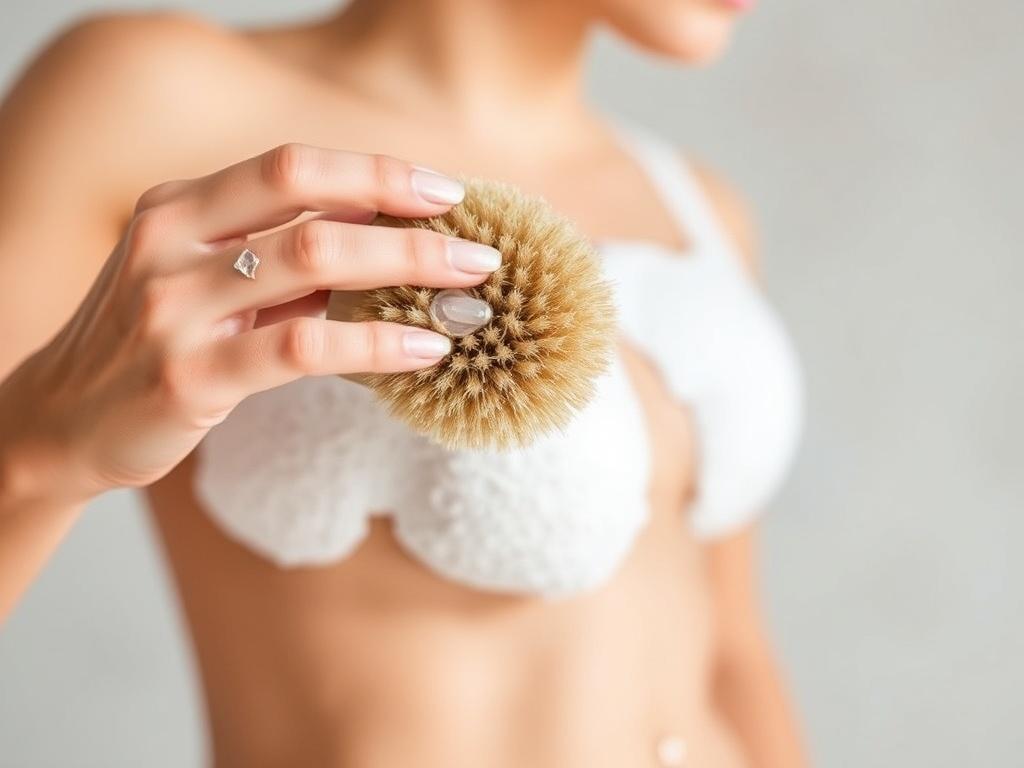
Dry brushing is generally safe for healthy skin, but it’s not for everyone. People with open wounds, sunburn, active rashes, rosacea flare-ups, severe acne, or eczema should avoid dry brushing on affected areas to prevent irritation and infection. If you have any blood clotting disorders, vascular conditions, or are taking blood thinners, talk to your doctor before starting.
Skin that bruises easily will need a very gentle approach or avoidance. Pregnant people should check with their healthcare provider, particularly in the first trimester or if there are complications, because increased circulation and lymph flow may be contraindicated in certain situations. When in doubt, seek medical advice.
Common mistakes and how to avoid them
Over-exfoliating is the commonest mistake: using too much pressure or brushing too often can disrupt the skin barrier and cause redness, flaking, or sensitivity. If your skin becomes inflamed, back off to once a week and use a softer brush. Let the skin recover before resuming a normal pace.
Another error is using the brush on wet or lubricated skin. A wet brush slips and doesn’t create the same exfoliating action; oils make brushing less effective and can cause the bristles to clog. Clean your brush regularly and replace it if it becomes misshapen or bristles break off.
Integrating dry brushing into your daily routine
Small habits stick best. Pair your brushing session with something you already do every day—brush your teeth, make coffee, or play a particular song. That pairing helps the ritual become automatic and reduces the risk of skipping it. Keep your brush accessible but dry; a hook near your shower is ideal so it’s convenient but won’t mildew.
If you travel frequently, bring a compact brush or a travel-size version. Some companies make foldable brushes specifically for travel, and a small brush still covers arms and legs adequately. When staying in hotels, be mindful of hygiene and consider using your own towel or a clean barrier between your skin and the hotel surfaces.
Brush care, cleaning, and storage
Clean your brush every one to two weeks, depending on usage. Shake out loose skin flakes after each use and let the brush hang bristles-down to dry. For a deeper clean, rinse the bristles in warm water with a mild soap, then air-dry bristles down for 24 hours. Avoid soaking wooden handles to prevent cracking.
- Spray with a diluted vinegar solution occasionally to mildly disinfect, then rinse.
- Replace your brush every six months to a year, more often if bristles fray or the brush holds odor.
- For synthetic brushes, follow manufacturer care instructions—many tolerate more frequent washing.
What science says: benefits, limitations, and gaps
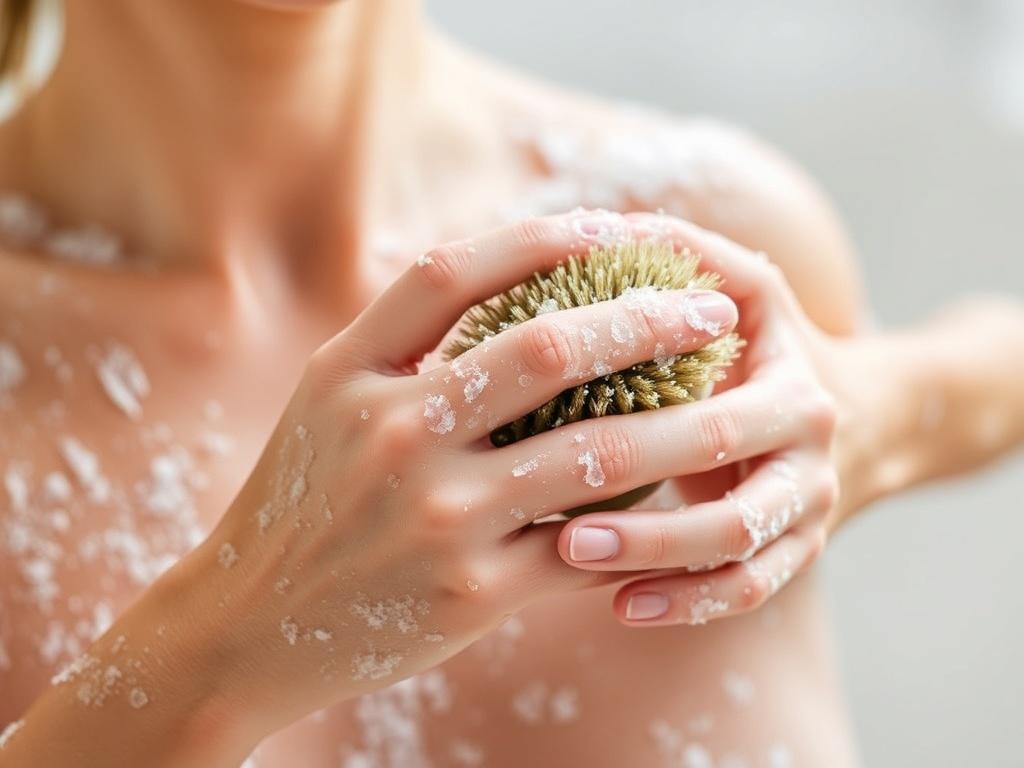
Research specifically on dry brushing is limited. Most evidence is anecdotal or derived from studies on massage, skin exfoliation, and lymphatic movement. These related areas suggest potential short-term benefits for circulation and skin appearance, but large clinical trials assessing long-term systemic effects are sparse.
That said, the physiological mechanisms are plausible: brushing increases microcirculation and may support lymph flow. The cosmetic outcomes—smoother skin and temporary tone—are easily observed, whereas claims about extensive detoxification or permanent cellulite reduction are not strongly supported by current scientific literature.
Personal experience: what worked and what surprised me
I started dry brushing out of curiosity and the desire for a quick morning ritual that took less than ten minutes. At first the process felt oddly intimate: the tactile sensation, the small amount of time carved out for myself. The immediate effect was a visible glow and smoother skin, which made applying moisturizer feel more luxurious.
What surprised me most was consistency. The small investment of time translated into a habit that improved how my skin looked and felt over weeks. I noticed rough areas on my knees and elbows smooth out, and that lotions penetrated differently. The practice also became a small daily pause—an opportunity to stand still and breathe before the day began.
Sustainable and ethical choices in brush selection
If sustainability matters to you, choose brushes made with responsibly sourced natural fibers or high-quality durable synthetics designed to last. Avoid brushes with short lifespans or those that involve unsustainable animal sourcing. Many brands now offer FSC-certified wooden handles and vegan-bristle options that are both effective and earth-friendlier.
Packaging and shipping also matter. Look for companies that minimize plastic and use recycled or compostable materials. A well-made brush that lasts a year or more will generally have a smaller environmental footprint than disposable options you replace frequently.
DIY alternatives and quick fixes
If you don’t have a brush, a textured washcloth or a loofah pad can provide similar exfoliation in a pinch, though they won’t reach everywhere a long-handled brush can. Use gentle circular motions and be cautious on sensitive areas. These substitutes are especially useful when you travel or are testing whether you like the sensation before investing in a high-quality brush.
A homemade oil blend—like jojoba with a touch of vitamin E—applied after showering complements DIY exfoliation well. If you make a DIY brush, ensure the bristles are securely attached and won’t shed into the skin. Safety and hygiene remain paramount even with makeshift tools.
Sample 5-minute daily dry brushing routine
This short routine is designed for a morning boost. Start with a minute on each lower leg, sweeping upward from ankle to knee, then from knee to hip. Move to the arms and spend thirty seconds on each forearm and upper arm, always brushing toward the shoulder and chest.
Finish with a light pass over the abdomen and chest using gentle circular motions, then a final sweep down the torso toward the heart. Shower, gently pat dry, and apply a light oil while the skin is slightly damp to seal in moisture and prolong the smooth effect.
Extended 15-minute weekend ritual for deeper care
Set aside extra time on a day when you can relax afterward. Begin with five minutes on the legs, including the thighs and gluteal area, using firmer strokes but avoiding raw pressure. Spend three minutes on your torso and abdomen with gentle, mindful strokes, and two minutes on your arms and shoulders.
After your shower, indulge in a richer body oil or balm, and add a short self-massage focusing on areas that feel tight. The extended routine allows you to notice changes more clearly and to pair brushing with deeper relaxation techniques like slow breathing or light stretching.
Troubleshooting common issues
If your skin becomes red and irritated, stop brushing for several days and switch to a softer brush when you resume. Redness that subsides within a day suggests temporary overstimulation; persistent inflammation warrants a discussion with a dermatologist. Allergic reactions to bristle materials are rare but possible—switch to synthetic bristles if you suspect sensitivity.
If your brush sheds a lot, it’s probably low quality or past its prime; replace it. If you experience breakouts after brushing, check your aftercare routine—non-comedogenic oils and clean towels help prevent pore-clogging. Hygiene lapses are often the root cause of post-brushing skin issues, so keep tools and hands clean.
How to combine dry brushing with other skin treatments
Dry brushing complements many body care practices if you space them thoughtfully. Avoid chemical peels, strong glycolic acid body treatments, or aggressive scrubs on the same day you brush. Give your skin 48 to 72 hours between intense chemical exfoliation and a vigorous brushing session to reduce the risk of barrier damage.
Pair your brushing with gentle hydrating products—hyaluronic acid serums and nourishing oils—rather than heavy actives. If you use medicated topical prescriptions, consult your prescriber about where and how often you can safely brush.
Cost, availability, and making it affordable
Dry brushing can be inexpensive to start. A decent brush typically costs between $10 and $40 depending on materials and brand. Higher price does not always mean better performance, so read reviews and choose a brush that fits your needs and values. A long-lasting brush amortizes its cost over months of use, making it a practical investment in everyday care.
If budget is tight, begin with a quality synthetic brush or a textured washcloth. Later, if you enjoy the ritual, you can upgrade to a natural-bristle brush. Keep an eye on local health stores and online marketplaces; many retailers offer good options at reasonable prices.
How to teach dry brushing to others or include it in family care
When showing someone else how to dry brush, demonstrate pressure and stroke direction on your own arm so they can see what feels normal. For teenagers with emerging skin concerns, keep the routine gentle and limit frequency to three times a week. Emphasize hygiene and never share brushes to prevent cross-contamination.
For older adults or people with mobility issues, adapt the brush with a longer handle or assistive devices so they can participate comfortably. The tactile nature of brushing can be calming, so it’s also a gentle caregiving technique when done mindfully and safely.
Myths and myths busted
Myth: Dry brushing permanently eliminates cellulite. Reality: Brushing can temporarily improve skin texture and blood flow, which may reduce the temporary visibility of cellulite, but it’s not a permanent or dramatic solution. Cellulite involves connective tissue structure and fat deposition that brushing alone can’t fundamentally change.
Myth: It detoxes the body by flushing toxins out through the skin. Reality: Your liver and kidneys play the central role in detoxification. While brushing may assist lymph movement and promote a feeling of cleansing, it doesn’t replace physiologic detox pathways supported by hydration, nutrition, and medical care when necessary.
Questions people often ask
Can I dry brush my face? Generally no—face skin is thinner and more sensitive. Use a separate, soft facial brush designed for delicate facial skin or gentle cloths and products formulated for facial exfoliation instead.
Will it make my skin darker or lead to pigmentation? Dry brushing does not cause pigmentation directly, but overexfoliation can make already sensitive or sun-exposed skin more prone to post-inflammatory hyperpigmentation. Always use sun protection and be gentle on areas with a history of pigmentation issues.
What if I have varicose veins? Avoid vigorous brushing over varicose veins; keep strokes light and consult a healthcare provider for personalized guidance. Brushing near, but not over, affected areas can still offer some benefit without adding risk.
Tracking progress and realistic expectations
Take a before photo or note problem areas before you begin so you can track changes objectively. Improvements in smoothness and glow often appear within two to four weeks of consistent use. Bigger claims—like large-scale reduction in cellulite—require longer observation and measured expectations.
Keep a simple log of frequency and any reactions. That record helps you identify what works and what doesn’t, and it makes adjusting your routine straightforward. Small, steady changes are more sustainable than attempting aggressive results overnight.
Final thoughts and a gentle nudge to begin
Dry brushing is a small, low-cost ritual that fits easily into daily life, offering immediate sensory rewards and gradual cosmetic improvements. It’s not a miracle cure, but it is a reliable way to exfoliate, stimulate circulation, and build a moment of care into each day. If you start slowly, listen to your skin, and choose materials that align with your values, you’ll likely find it a pleasant and useful addition to your body-care toolkit.
Begin with a brief session, observe how your skin responds, and let the practice evolve with your needs. Over time the ritual itself—those minutes devoted to your body—becomes as valuable as the physical changes you notice, giving you a small but meaningful way to tune in and care for yourself.