
Cellulite is a normal, common feature of many bodies, and yet it’s wrapped in myth and impatience. If you want to reduce its appearance without salon visits, a well-planned at-home massage routine can improve circulation, soften tissue, and help skin look smoother. This article walks through safe techniques, realistic expectations, and step-by-step routines you can follow with minimal equipment.
I’ve spent years testing methods on volunteers and myself, noting which moves work, which burn time without benefit, and how small changes in timing or pressure alter results. Below you’ll find practical instructions, troubleshooting advice, and lifestyle adjustments that amplify the effects of your massage practice.
Understanding what cellulite is and why massage helps
Cellulite appears when fat pushes against connective tissue beneath the skin, causing the familiar dimples and uneven texture. It’s not a disease; it’s a structural condition influenced by genetics, hormones, age, and lifestyle factors like activity level and diet. Treating it effectively means addressing circulation, lymph flow, and connective tissue tone rather than trying to eliminate fat alone.
Massage helps by increasing blood flow, breaking up fluid buildup, and improving lymphatic drainage, all of which reduce puffiness and temporarily smooth the skin’s surface. Regular treatment can encourage collagen remodeling and improve skin elasticity over time, yielding a gradually more even appearance. Remember that individual results vary, and consistency is the key to seeing gradual change rather than overnight miracles.
Biology in plain terms
Under the skin, fat cells sit in compartments formed by fibrous connective tissue. When these compartments stretch or stiffen, the fat bulges through, creating visible dimples. Hormones, inflammation, and poor circulation can worsen the appearance by altering fluid balance and tissue rigidity.
A good anti-cellulite massage targets those compartments indirectly: warming tissue, increasing microscopic blood flow, and encouraging the lymphatic system to clear excess interstitial fluid. Over weeks and months, this can make the skin look smoother and feel firmer.
Types of effective home techniques
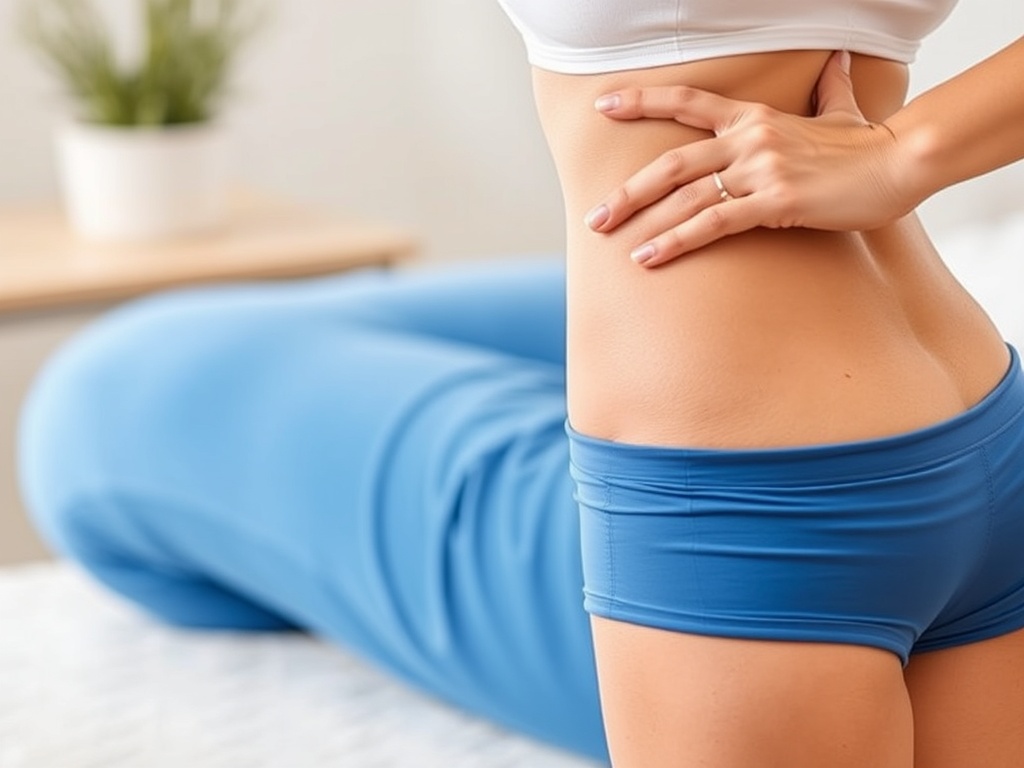
There’s a surprising variety of approaches that work at home, from hands-only methods to simple tools like cups and brushes. The best choice depends on your skin sensitivity, pain tolerance, and the area you want to treat. Combining a few techniques often produces better outcomes than relying on a single move.
Below are the main approaches I recommend for safe, repeatable results. Learn at least two so you can switch methods when your tissue adapts to one technique.
Manual massage (palming, kneading, and rolling)
Manual massage is the backbone of at-home work because it’s gentle, precise, and requires zero equipment. Use the flat of your palm for broad strokes, fingers for smaller areas, and the base of the thumb for targeted kneading. Aim for firm but comfortable pressure—enough to feel the tissue move beneath the skin without causing sharp pain.
A simple sequence: warm the area with long strokes, then alternate circular kneading and skin rolling along the length of the muscle. Finish with light, sweeping strokes toward the nearest lymph nodes. Practiced regularly, this routine increases tissue pliability and clears fluid accumulation.
Dry brushing
Dry brushing lightly exfoliates and stimulates circulation at the same time. Use a natural-bristled brush and gentle, brisk strokes directed toward the heart. Don’t press so hard that the skin reddens excessively; the sensation should be invigorating, not harsh.
Dry brushing is best performed before showering. It’s a fast way to prime the skin for deeper massage or topical treatments, and many people enjoy the immediate sensation of smoother skin right after a session.
Cupping and silicone suction
Cupping or silicone suction devices create a vacuum that lifts the skin and underlying tissue, enhancing blood flow and loosening adhesions. At-home silicon cups are affordable and straightforward to use, but technique matters—start with light suction and brief sessions to avoid bruises. Move the cup along the skin in long strokes after building suction, always finishing toward lymphatic drainage points.
Some people see quick visual improvement from cupping because it temporarily smooths the surface by redistributing fluid. Expect short-lived marks or mild bruising initially; these fade with time and careful pressure control.
Lymphatic drainage
Lymphatic drainage focuses on gentle, rhythmic strokes that move fluid toward lymph nodes. It’s not about deep pressure; it’s about direction and rhythm. Use light strokes that glide over the skin, following natural lymph pathways toward the groin, armpits, and abdominal nodes depending on the treated area.
This technique is especially helpful when cellulite is accompanied by swelling or a feeling of heaviness. Done correctly, lymphatic massage reduces puffiness and complements deeper work like kneading or cupping.
Tools and products worth having at home
You don’t need fancy devices, but a modest kit improves comfort and consistency. Consider a natural-bristle brush, a silicone suction set, a good massage oil, and a small handheld roller or gua sha tool if you like targeted stimulation. Quality matters more than quantity—pick a few items you’ll actually use.
Avoid overly complex machines that promise instant transformation. Many of these devices are expensive and offer little benefit over consistently applied manual techniques and simple suction cups. Stick to tools that enhance your routine rather than replace it.
Recommended supplies
Keep the list short: a dry brush, a pair of silicone cups (different sizes), a gua sha stone or small roller, and a carrier oil such as sweet almond, jojoba, or grapeseed. Add essential oils like grapefruit or rosemary sparingly if you enjoy scent, but test for sensitivity first. High-quality products reduce friction and make massage safer and more pleasant.
Replace or clean tools regularly. Wash silicone cups with mild soap and air-dry them; replace brushes every year or when bristles degrade. Clean tools reduce the risk of irritation or infection, especially when you’re massaging frequently.
Preparing the body and the space
A consistent ritual helps you stick with a routine. Choose a warm, private room and set up a towel or mat. Perform massage after a warm shower or bath to increase skin temperature and tissue pliability. Hydration before and after a session improves fluid movement and recovery.
Wear comfortable clothes and allow 20–40 minutes for a focused session. Rushing undermines benefits; massage is both physical and psychological work, so give yourself time to slow down and feel the tissue responding.
Before you begin
Do a quick skin check for cuts, rashes, varicose veins, or sunburn—avoid massaging compromised skin. If you have medical conditions such as blood-clotting disorders, uncontrolled high blood pressure, or are pregnant, consult a healthcare professional before attempting deeper techniques. Light strokes and lymphatic-style massage are generally safer options in many conditions, but individual medical advice matters.
Hydrate with a glass of water and warm up the muscles with light movement or a short walk. Warm, moving tissue responds better to manipulation than cold, tense tissue does.
Step-by-step routines for common areas
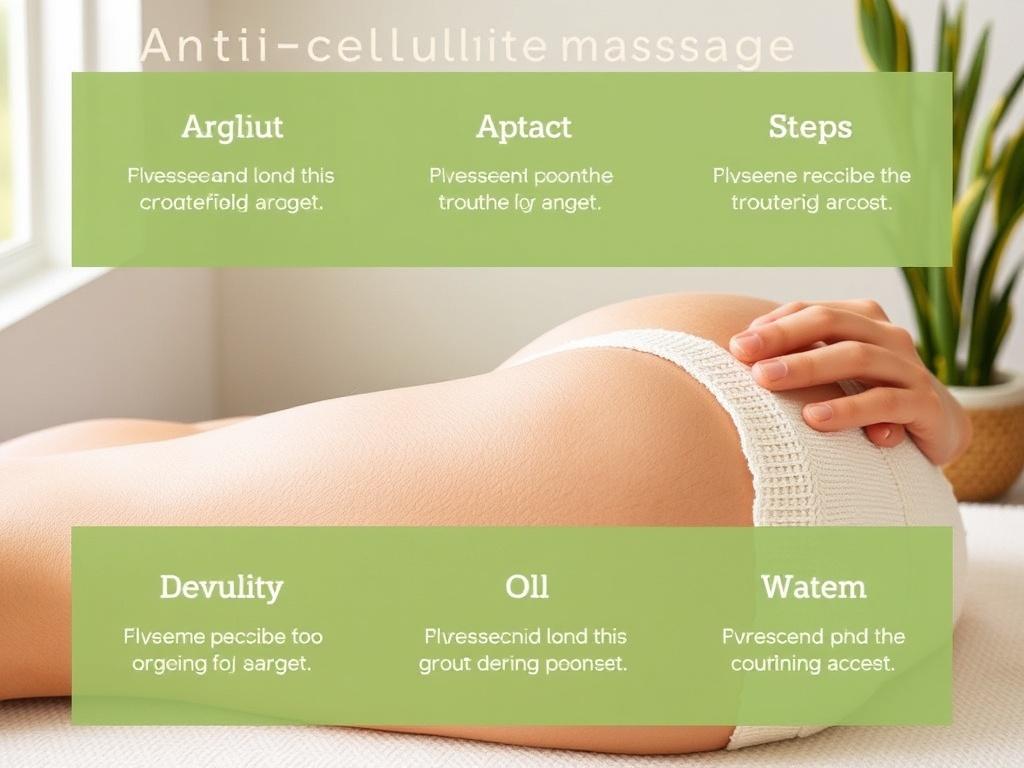
Below are practical routines for thighs, buttocks, abdomen, and arms. Each routine takes 10–20 minutes and combines warming strokes, deeper kneading, and finishing lymphatic work. Repeat these routines 3–5 times per week for visible results over weeks to months.
Perform movements on both sides and maintain a steady, comfortable rhythm. Listen to your body—some soreness is normal, but sharp pain is a sign to reduce pressure or stop.
Thigh routine (outer and inner)
Warm the skin with sweeping long strokes from the knee toward the hip using the flat of your hand. Do this two to three minutes per leg to increase blood flow and reduce initial stiffness. This also helps you map areas of pronounced dimpling or tension that need extra attention.
Next, use a kneading motion with both hands: lift small sections of tissue between thumbs and fingers and roll them gently, moving upward. Spend five to seven minutes alternating between broad, circular kneading and targeted pin-and-roll along stubborn patches. Finish with light strokes toward the groin to aid lymphatic flow.
Buttocks routine
Start with broad, palm-based effleurage—long gliding strokes from the lower back across the hips toward the outer thigh. Two to three minutes will warm the area and reduce resistance. This is also an opportunity to increase comfort; adjust pressure to avoid any uncomfortable pinching near the hip flexors.
Move to firm circular kneading with the heel of your hand or cupping to lift tissue gently. Work in sections and direct final sweeps toward the inguinal lymph nodes. A five- to ten-minute dedicated session will produce measurable relaxation and surface smoothing over time.
Abdomen routine
On the abdomen, keep movements gentle and avoid aggressive suction. Use clockwise circular strokes around the navel to support digestion and venous return. This area responds well to light, rhythmic pressure that promotes comfort and reduces tension.
Avoid deep kneading here unless you are trained and certain it’s safe for your body. Finish with sweeping motions toward the groin to help lymphatic drainage, and always follow with hydration.
Arm routine
Treat the arms with long strokes from wrist to armpit to warm tissue and guide lymph. Use both hands to alternate gentle kneading from the inner arm outward, paying attention to the triceps and underarm where cellulite or sagging often appears. This routine is shorter—about five to ten minutes per arm—but consistent work can improve tone and skin texture over time.
If you use cups on the arms, choose smaller ones and keep suction light. The skin here is more fragile than on the thighs or buttocks, so moderate your intensity accordingly.
DIY scrubs and oils for massage
Homemade scrubs and oil blends add value to your sessions with simple, natural ingredients. A basic coffee scrub or sugar scrub exfoliates while warming the skin and stimulating circulation. Oils reduce friction and allow smoother gliding during longer strokes.
Always patch-test a new mixture on the forearm and wait 24 hours to check for irritation. Natural doesn’t automatically mean gentle—essential oils must be diluted appropriately to avoid reactions.
Simple coffee scrub recipe
Mix 1/2 cup of used coffee grounds with 3 tablespoons of coconut oil and 2 tablespoons of brown sugar. Massage gently in circular motions for 2–3 minutes over the area, then rinse. Coffee contains caffeine, which can temporarily constrict blood vessels and reduce puffiness; paired with exfoliation, it gives an immediate, if temporary, smoothing effect.
Use this scrub once or twice weekly. Overdoing exfoliation can irritate the skin and counteract the benefits of massage, so moderation matters.
Easy massage oil blend
Combine 1/2 cup of sweet almond oil with 8–10 drops of grapefruit essential oil and 5 drops of rosemary. Grapefruit adds a bright scent and is frequently used in anti-cellulite blends, while rosemary may enhance circulation. Mix and store in a dark glass bottle away from direct sunlight.
If you’re pregnant or sensitive to fragrances, omit essential oils and use a neutral carrier oil like jojoba or grapeseed. Oils simply need to reduce friction and nourish the skin between sessions.
How often to massage and how long to expect results
Frequency matters more than intensity. Short, consistent sessions—about 15–30 minutes, three to five times per week—outperform lengthy, sporadic treatments. Muscles, circulation, and connective tissue respond best to repeated, moderate stimulation rather than occasional intense work.
Expect to see subtle changes within three to six weeks: less puffiness, improved skin texture, and greater tissue pliability. More dramatic shifts in cellulite appearance usually require months of consistent work, combined with dietary and activity changes. Patience and realistic expectations prevent disappointment and help maintain motivation.
Long-term maintenance
Once you reach a level of satisfaction, reduce sessions to two or three times weekly for maintenance. Life changes—weight fluctuations, hormonal shifts, or reduced activity—can alter results, so adapt your routine as needed. Consistency over years keeps benefits and prevents regression.
Track your progress with photos taken under consistent lighting and similar angles every two weeks. Objective records help you evaluate what’s working without being swayed by short-term fluctuations or mood.
Combining massage with diet, exercise, and lifestyle
No massage protocol works in isolation. Diet, movement, hydration, and sleep influence tissue quality and the balance of fat and fluid under the skin. Think of massage as a catalyst that amplifies healthier habits rather than a standalone cure.
Strength training tones the muscles under the tissue, reducing the look of dimples by improving firmness. Aerobic work enhances circulation and systemic fat usage, both of which support the appearance of smoother skin. Aim for a balanced approach rather than quick fixes.
Nutrition tips that help
Prioritize whole foods, vegetables, lean proteins, and healthy fats while reducing processed foods high in salt and sugar. Excess sodium and refined carbs can increase fluid retention and inflammation, worsening the appearance of cellulite. Small, sustainable adjustments yield better long-term outcomes than extreme diets.
Maintain hydration. Adequate water intake supports lymphatic function and helps skin look plumper and healthier. Hydration alone won’t eliminate cellulite, but it makes massage more effective and the skin’s surface smoother.
Safety, contraindications, and when to see a professional
Massage is generally safe, but there are important exceptions. Avoid deep or aggressive techniques if you have varicose veins, open wounds, infections, thrombosis risk, or certain cardiovascular issues. When in doubt, consult your doctor before starting a more vigorous regimen.
Seek professional help if you notice sudden swelling, sharp pain, or persistent discoloration after a session. A licensed therapist can assess tissue condition and offer advanced techniques or refer you for medical evaluation if necessary.
Red flags and sensible limits
Do not use strong suction over areas with suspected blood clots or fragile skin. If you bruise easily, stick to gentler manual work or lymphatic-style strokes. Keep massage pressure below painful thresholds; soreness that resolves within 48 hours is acceptable, but prolonged pain or nerve tingling is not.
If you’re pregnant, consult a practitioner experienced in prenatal care. Certain points and deeper abdominal or lumbar work are inappropriate during pregnancy, while gentle lymphatic and relaxation massage can be helpful under professional guidance.
Common mistakes and how to avoid them
Many people overdo pressure, skip warm-up, or expect instant results—these are the most common errors. Harsh techniques can inflame tissue and make cellulite appear worse, while inconsistent practice yields little benefit. Focus on regular, measured sessions and proper technique instead.
Another typical misstep is neglecting the rest of the body. Posture, back and pelvic alignment, and muscle strength influence how tissue distributes beneath the skin. Comprehensive fitness and mobility work supports the effects of massage, so don’t isolate the treatment to one cosmetic fix.
Don’t chase pain
Pain is not the same as effective pressure. Effective work feels like tissue warming and moving; it shouldn’t create sharp or radiating pain. If a technique causes numbness, tingling, or severe discomfort, stop and reassess. Adjust pressure, duration, or the method and consult a professional if symptoms persist.
Progressive improvement is the healthiest indicator of success. If you try a new tool, use it gently for two weeks before increasing intensity or duration. Your tissue needs time to adapt, and gradual changes build lasting results.
Practical schedule and quick reference table
Below is a simple weekly schedule and a quick-reference table for session length and target goals. Use it as a template and modify based on your time, recovery, and results. Consistency is the engine of change; treat the schedule as a promise to your future self.
| Area | Session length | Frequency | Primary technique |
|---|---|---|---|
| Thighs | 15–20 minutes | 3–5× weekly | Kneading + cupping |
| Buttocks | 10–15 minutes | 3–4× weekly | Palming + skin roll |
| Abdomen | 8–10 minutes | 2–4× weekly | Gentle circular strokes |
| Arms | 5–10 minutes | 3–4× weekly | Long strokes + light knead |
For a balanced week, aim for three focused sessions on major areas (thighs/buttocks) and short maintenance sessions on secondary areas. Adjust frequency upward if you tolerate the work well and see incremental improvement.
Real-life examples and experiences
I once worked with a friend whose cellulite had become a source of insecurity after pregnancy. She started with ten-minute sessions—dry brushing plus a short kneading sequence—three times a week. Within eight weeks she reported less visible dimpling and greater comfort wearing fitted clothing, but more importantly, she felt empowered by a daily ritual that restored a sense of agency.
In another case, a client combined my recommended routines with a simple strength program focused on squats and deadlifts. After four months she not only reduced the appearance of cellulite but gained muscle tone that changed how clothes fit. The massage was important, but pairing it with consistent exercise made the changes meaningful and lasting.
Final practical tips to keep you going
48ae470cc0c67027e98c422142e3ecdc.jpg
Start small and build a habit you can keep. Even five to ten focused minutes every other day beats an infrequent marathon session. Keep a small kit by your shower so you can follow your warm-up immediately with massage while tissues are most receptive.
Track progress honestly with photos and measurements rather than daily emotional reactions. Celebrate small wins—smoother texture, improved hydration, or more comfortable clothing—and treat this work as self-care that supports both skin health and well-being.
With patient, consistent effort, home-based massage can become a powerful part of your routine for improving skin quality and comfort. Give yourself permission to learn, adapt, and enjoy the process as your body responds.