
Undergoing a chemical peel can feel like hitting the reset button on your skin, but results depend heavily on what you do afterward. Whether you had a light lunchtime peel or a deeper in-office treatment, thoughtful aftercare speeds healing, reduces complications, and preserves the glow you worked for. In this article I’ll walk you through step-by-step routines, ingredient guidance, and realistic timelines so you know exactly how to treat your skin in the days and weeks after a peel. I’ll also reference the phrase Уход за кожей после пилинга sparingly as a nod to the topic.
What a peel actually does to skin
A chemical peel works by weakening the glue between skin cells or by chemically removing layers, prompting the body to shed damaged cells and grow new tissue. The mild inflammation triggered by the peel sets off repair processes — increased cell turnover, collagen production, and gradual smoothing of texture and pigmentation.
Immediate responses include redness, stinging, and tightness. Those sensations are normal for superficial or medium peels; deeper peels can cause significant swelling and rawness that require medical supervision.
Types of peels and expected recovery
Peels are commonly grouped into superficial, medium, and deep categories. Superficial peels remove only the outermost layer and involve minimal downtime; medium peels reach the upper dermis and require several days to a couple of weeks for visible recovery; deep peels can take weeks to months and are usually performed under strict medical protocols.
Knowing which category your peel falls into shapes every aftercare decision — from the strength of products you use to how much sun protection you need.
Quick comparison table of common peels
| Type | Common agents | Typical downtime | Primary uses |
|---|---|---|---|
| Superficial | AHA (glycolic), BHA (salicylic), low-concentration TCA | 0–3 days | Brightening, mild texture smoothing |
| Medium | Medium-strength TCA, Jessner’s solution | 3–14 days | Pigment correction, fine lines, acne scars |
| Deep | Phenol, high-strength TCA | Weeks to months | Deep wrinkles, significant photodamage |
First 24–48 hours: cooling, protecting, and letting skin rest

The initial period after a peel is about minimizing irritation and preventing infection. Keep your routine minimal: cool compresses for comfort, a gentle cleanser if instructed, and a prescribed ointment or barrier cream to lock moisture in.
Avoid hot showers, steam, saunas, and heavy exercise that raises core temperature. Heat increases blood flow and can worsen swelling or redness, so choose cool or lukewarm water when you wash your face.
If your clinician provided specific topical medications — for example, an antibiotic ointment or bland emollient — use them exactly as directed. Over-the-counter products might be tempting but can contain irritants; when in doubt, follow the provider’s advice.
Pain control and symptom management
Mild discomfort and tightness are typical; acetaminophen or ibuprofen usually suffices unless your provider prescribes otherwise. Topical cold packs applied briefly can reduce stinging, but don’t place ice directly on bare skin — wrap it in a cloth.
Blistering or strong pain are red flags. If you experience increasing pain, fever, or yellowish drainage, contact your clinician immediately for evaluation and possible infection treatment.
Days 3–7: managing visible peeling and avoiding damage
As superficial layers slough off, you’ll see flaking and possibly temporary darkening of spots before they lighten. This stage requires restraint: do not pick, peel, or pull at flaking skin. Picking raises the risk of scarring and post-inflammatory hyperpigmentation.
Keep using a gentle cleanser and a bland, non-comedogenic moisturizer to support re-epithelialization. Look for products labeled “fragrance-free” and “for sensitive skin.” Ingredients like petrolatum or dimethicone can form an effective barrier to protect new skin.
Avoid these common mistakes
Reaching for home exfoliants, retinoids, or alpha and beta hydroxy acids too soon can re-traumatize healing skin. Also avoid waxing, aggressive facials, or laser procedures until your clinician confirms the skin is fully healed.
Makeup can usually be introduced when the skin has stopped weeping and is no longer raw, but choose mineral-based or non-comedogenic formulas and apply gently with clean tools.
Weeks 2–4: rebuilding moisture, tone, and barrier function
By the second week many people notice smoother texture and reduced pigment irregularities. The focus now shifts to restoring the barrier and introducing supportive actives slowly. Hyaluronic acid, ceramides, and gentle peptides are useful for hydration and structural support.
This is still a poor time for aggressive actives; even vitamin C should be introduced at low concentrations and only after the skin surface has fully re-epithelialized. Patch-test any new product on a small area before applying it across your face.
When to reintroduce your regular prescription products
Retinoids, strong topical acids, and prescription-strength lightening agents should stay on hold until a provider gives the okay — often four to six weeks for medium peels and longer for deep treatments. Starting them prematurely can provoke irritation and set back progress.
If you’re using topical antibiotics or steroid creams from the clinic, follow the taper schedule. Abruptly stopping some medicated regimens can cause rebound symptoms or delayed healing.
Sunscreen: your single most important post-peel product
Newly exposed skin is particularly vulnerable to UV-induced pigmentation and damage. Daily broad-spectrum sunscreen is essential from day one after a peel and for months afterward, depending on peel depth and your skin type.
Physical sunscreens containing zinc oxide or titanium dioxide are often best tolerated immediately post-peel because they sit on the skin and reflect sunlight rather than being absorbed. Reapply every two hours when outdoors, and more often if swimming or sweating.
Sunscreen comparison
| Type | Pros | Cons | When to use post-peel |
|---|---|---|---|
| Physical (mineral) | Gentle, immediate protection, less irritation | May leave a white cast; thicker texture | Recommended early after peel |
| Chemical | Lighter feel, cosmetically elegant | May sting or irritate newly peeled skin | Okay after skin has re-epithelialized and tolerance is established |
Ingredients to avoid and ingredients that help
After a peel, your skin needs hydration and protection more than active stimulation. Avoid alcohol-based toners, fragrances, physical scrubs, and strong acids until fully healed. These agents can strip moisture and prolong inflammation.
Favor barrier-repairing ingredients: ceramides, panthenol, glycerin, and hyaluronic acid. Antioxidants like vitamin E and low-concentration vitamin C can be helpful once the surface is stable, supporting collagen synthesis and evening tone.
Short lists: avoid vs. embrace
- Avoid: retinoids, AHAs/BHAs, benzoyl peroxide, rough physical exfoliants, fragrances, alcohols.
- Embrace: petrolatum or occlusives for the first days, ceramide-rich moisturizers, gentle cleansers, mineral sunscreen, hyaluronic acid serums.
When to contact your clinician: red flags
Most peels heal predictably, but complications can occur. Contact your provider if you notice severe swelling that worsens over time, increasing pain, fever, green or yellow discharge, or spreading redness beyond the treated area. These signs suggest infection or an adverse reaction that may require prescription treatment.
Another important warning sign is patchy darkening of the treated skin weeks after peeling; this may represent post-inflammatory hyperpigmentation and will benefit from an early consult for topical or in-office management.
Tailoring care by peel depth
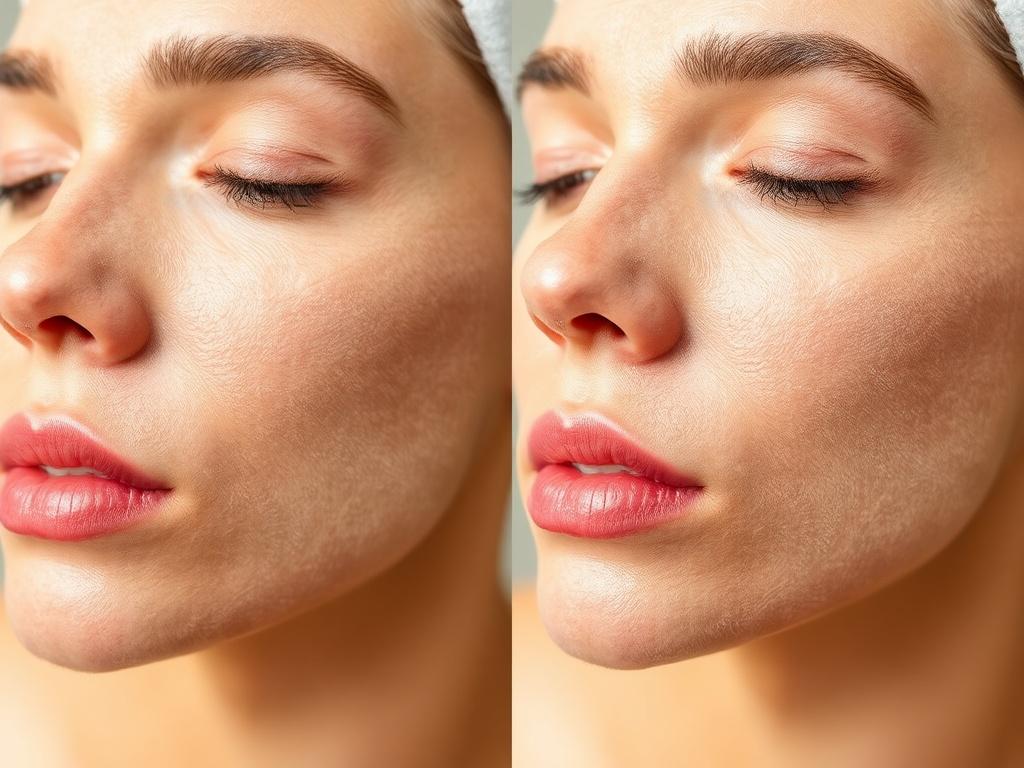
Recovery and precautions differ by depth. For superficial peels, the focus is mild care, hydration, and sunscreen. Medium peels require more protective occlusion in the first days and a gentler reintroduction of actives, while deep peels often involve formal wound care, follow-up visits, and a longer avoidance of sun and cosmetics.
Always follow the specific aftercare instructions your practitioner provides; they know the precise agent and strength used and can recommend appropriate timelines for introducing various products.
Recovery timelines at a glance
- Superficial: 0–7 days to visibly recover; normal skincare within a week if healed.
- Medium: 7–21 days for peeling and re-epithelialization; gradual return to active ingredients after 3–6 weeks.
- Deep: several weeks to months; strict medical aftercare and delayed return to routine products for many weeks.
At-home peels versus professional peels: different stakes
Over-the-counter peels are generally milder and carry less risk, but misuse can still cause irritation. Professional peels are stronger and often deliver more dramatic results — and they require stricter aftercare and follow-up.
If you used an at-home peel and experience unexpected blistering or severe discomfort, seek professional advice rather than attempting home remedies. Likewise, if a professional performed your peel, follow their instructions and attend scheduled check-ups.
Lifestyle adjustments that support healing
Small lifestyle changes speed recovery. Prioritize sleep, as tissue repair peaks during deep sleep cycles, and hydrate well to support moisture balance. Avoid smoking and limit alcohol intake, since both impair circulation and slow healing.
Avoid heavy exercise that causes profuse sweating for at least a few days after medium to deep peels. Sweat can irritate compromised skin and introduce bacteria into healing areas.
Makeup and grooming tips while healing
Use only clean brushes or disposable applicators to apply makeup when permitted. Opt for lightweight, non-comedogenic formulas and apply with a gentle patting motion rather than rubbing. For facial hair removal, postpone waxing or threading near treated areas until your provider confirms it’s safe.
Shaving can usually resume when the skin is no longer raw and is stable; use a new blade, a gentle shaving cream, and avoid pulling skin taut.
Special considerations for darker skin tones
People with darker skin tones are more prone to post-inflammatory hyperpigmentation after any dermatologic procedure. Prevention is key: strict sun protection, early use of clinician-recommended lightening agents when appropriate, and careful avoidance of trauma to healing skin reduce risk.
Open communication with your clinician about your skin type and history of pigmentation helps shape an aftercare plan that minimizes complications and protects long-term results.
Treating complications like inflammation and pigment changes
If inflammation is excessive, a clinician may prescribe a short course of topical or oral steroids to calm the reaction. For hyperpigmentation, professionals often recommend hydroquinone, azelaic acid, kojic acid, or other targeted therapies after the skin surface has healed.
Sometimes in-office procedures such as laser or microneedling are used later to correct persistent pigment or texture issues, but these should be delayed until the skin has fully recovered and you have a clear go-ahead from your provider.
Long-term maintenance to extend peel benefits
Peels accelerate cellular turnover and improve texture, but long-term maintenance preserves those gains. Daily sunscreen, a gentle exfoliation routine once skin is fully healed, and periodic professional maintenance peels tailored to your needs will keep skin looking fresh.
Introduce retinoids gradually when permitted; they remain one of the most effective long-term tools for collagen stimulation and maintaining the improvement you achieved with the peel.
Suggested maintenance schedule
- Daily: broad-spectrum SPF and antioxidant-rich daytime serum.
- Weekly to biweekly: gentle at-home exfoliation (only when cleared by provider).
- Every 3–6 months: superficial maintenance peel or professional light treatment, depending on skin goals.
Practical checklist: day-by-day aftercare plan
Here’s a condensed, practical plan that I’ve found helpful from both personal experience and clinical advice. Modify based on your provider’s instructions and how your skin behaves.
- Days 0–2: Clean gently, apply prescribed ointment or bland moisturizer frequently, avoid sun exposure and makeup, cool compresses as needed.
- Days 3–7: Continue hydration and barrier ointment, do not pick flaking skin, introduce mineral sunscreen indoors and outdoors.
- Days 8–21: Once flaking stops and the surface is smooth, begin lightweight hydrating serums; delay retinoids and strong acids until cleared.
- Weeks 4–8: Gradually reintroduce actives like vitamin C and, later, retinoids according to tolerance and clinician guidance.
My experience: a medium peel recovery timeline
I had a medium TCA peel two years ago to address uneven tone and early sun damage. The first two days felt tight and raw, and I used a prescribed emollient every few hours and slept propped up with an extra pillow to reduce facial swelling. Ice wrapped in a towel helped with discomfort during the first 48 hours.
Day three marked the beginning of heavy flaking. I resisted the urge to pick, used only a gentle cream, and patched makeup in public when necessary. By week three the skin looked uniform and felt smooth, but my clinician advised waiting six weeks before restarting retinoids. Slow and steady proved the best strategy — patience paid off with clearer, brighter skin and no lasting pigment issues.
Products and textures that tend to work well post-peel
Look for creams and ointments with petrolatum or dimethicone for the earliest days, then transition to ceramide-rich creams and hyaluronic acid serums. Lightweight, non-irritating antioxidant serums can support skin once the surface is stable.
Avoid heavy fragrances, essential oils, and harsh exfoliants. If you have acne-prone skin, choose non-comedogenic formulations so you don’t trade one problem for another while healing.
Common myths and realistic expectations
One myth is that peels permanently erase wrinkles and sun damage in a single session. In reality, peels often need repetition and combined strategies to produce substantial long-term change. Expect improvement, not perfection, and plan maintenance and sun protection to extend benefits.
Another misconception is that darker scabs mean better results. In truth, severe crusting or scabbing can indicate too aggressive a treatment or improper aftercare and may increase the risk of scarring. Gentle, consistent care usually gives the best cosmetic outcome.
Frequently asked practical questions
Can you shave right away? Shaving is often safe once the skin stops oozing and is no longer raw; use a fresh blade and avoid tugging at the skin. When in doubt, wait and consult your provider.
When can you schedule other cosmetic treatments such as fillers or lasers? Timing varies: minimally invasive injectables can sometimes be performed in the weeks following a superficial peel, but lasers and deeper resurfacing should wait until the skin is fully healed. Coordinate timing with your clinician.
Finishing notes and a realistic timeline
Successful post-peel care balances patience and proactive protection. Early days need simple, protective measures; later weeks allow gradual reintroduction of supportive actives. Sunscreen remains the cornerstone of every stage, and resisting the urge to pick or over-treat healing skin prevents many complications.
Treat your skin as an investment rather than a quick fix. With consistent care, clear communication with your provider, and sane expectations, the improvements from a peel can last — and look natural — for a long time. If questions or concerns arise at any point, reach out to your clinician; a short check-in can save weeks of unnecessary worry and ensure the best outcome for your skin.